
What Pixel Pitch Do You Really Need? A Practical Buyer’s Guide
Many companies reach the same point in the buying process: they know they need an LED video wall, but they are not sure whether to choose P1.8, P2.5, P3.9, P5.0, or something in between. At first, it may seem like the lowest number is automatically the best choice. In reality, that is one of the most common mistakes buyers make.
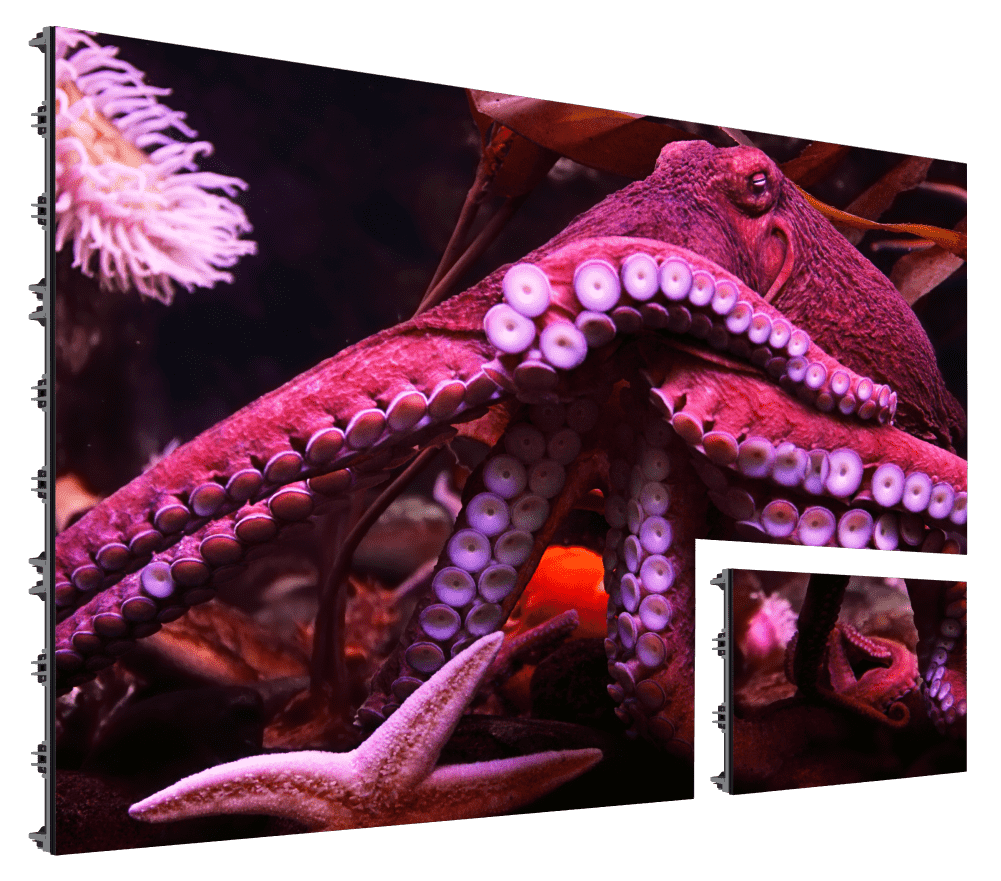
Pixel pitch matters, but only when it is tied to the actual project. How close will people stand to the screen? What type of content will it show? Will it be installed indoors, outdoors, or in a space with changing light conditions? The right answer depends on viewing distance, content, screen size, brightness, installation method, control systems, and budget.
A finer pixel pitch can deliver sharper detail at close range, but it also increases the investment. A wider pitch may be the smarter choice when the audience is farther away, especially in larger venues, churches, gyms, trade shows, events, and outdoor spaces. The best choice is not about chasing the smallest number. It is about matching the technology to the way people will actually use the space.
This guide breaks down how pixel pitch works, where each range makes sense, and how to choose a setup that balances clarity, performance, durability, and ROI.
Understanding Pixel Pitch and LED Display Usage
Pixel pitch is one of the most important terms in any project, but it is often explained in a way that feels more complicated than necessary. At its core, pixel pitch is simply about how close the pixels are to each other and how sharp the image appears from a certain distance.
What Pixel Pitch Actually Means for the Viewer
Pixel pitch is the distance between the pixels on an LED panel, usually measured in millimeters. A smaller number means the pixels are closer together, which helps the image look more detailed from short distances. A larger number means the pixels are farther apart, which can still look excellent when the audience is viewing the screen from farther away.
That is the key point: pixel pitch is not about what looks best on a spec sheet. It is about what looks best to the viewer.
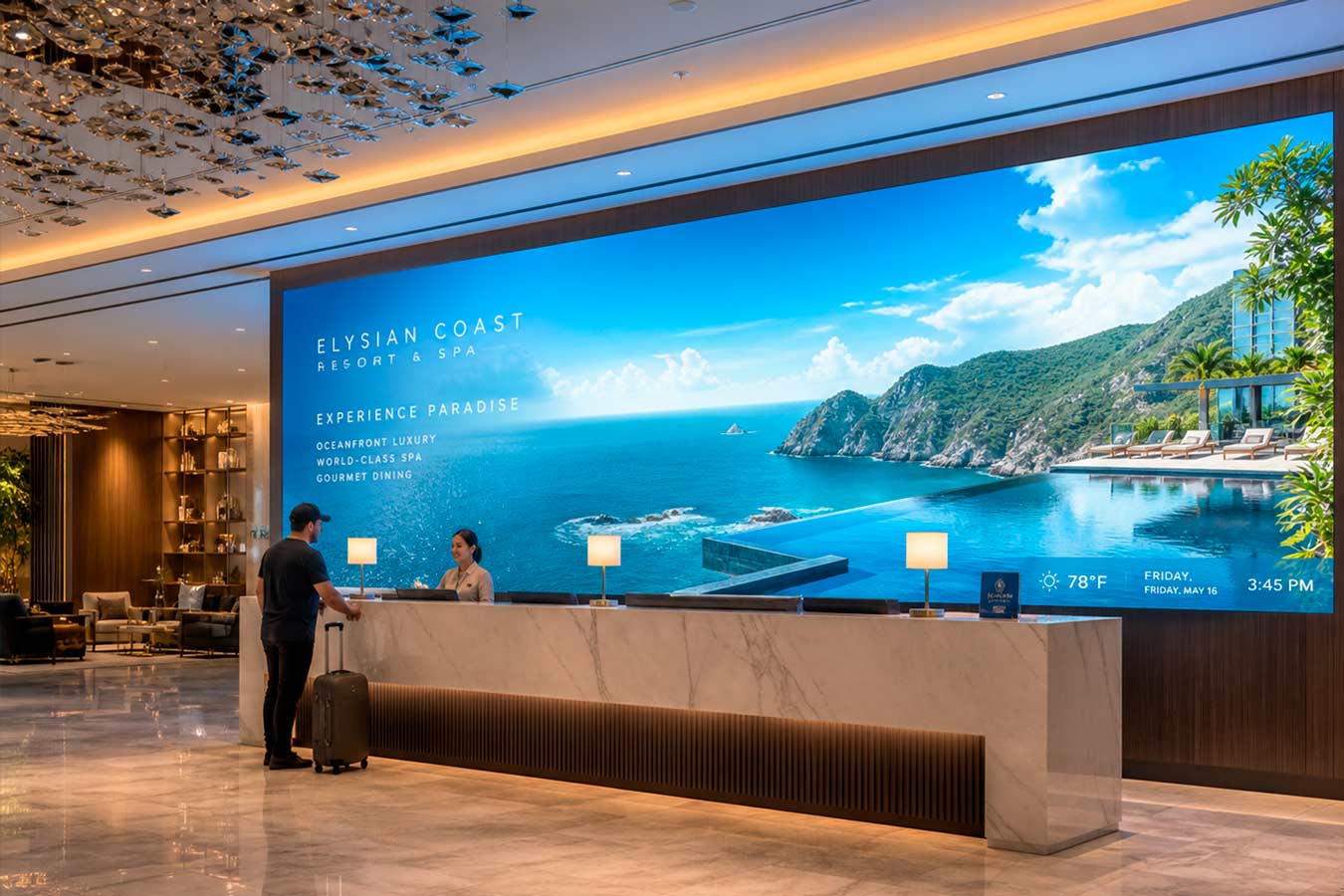
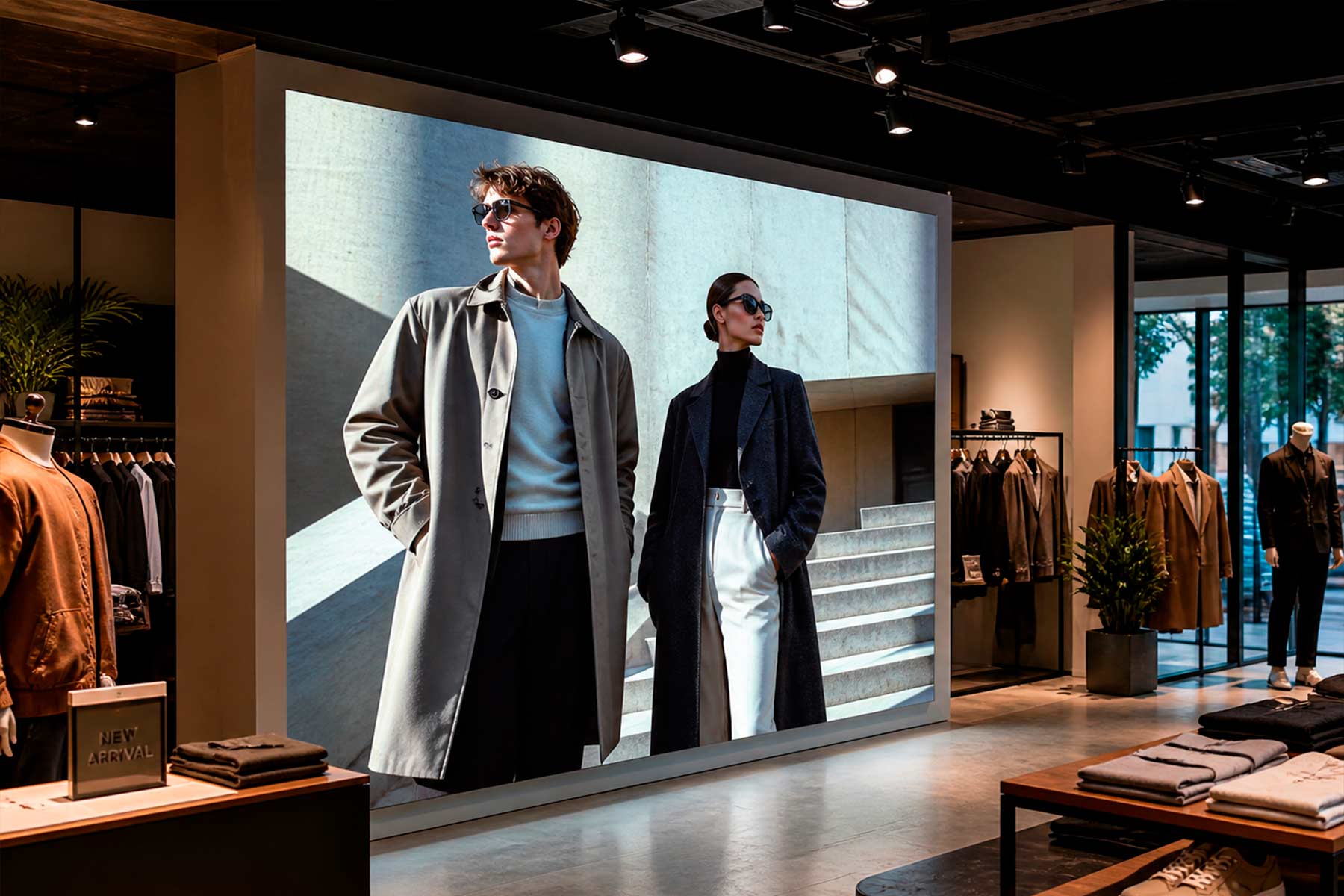
If someone is standing close to the display, they will notice more detail. That is why P1.8 or P2.5 mm LED wall may be better for boardrooms, studios, showrooms, control rooms, premium retail spaces, and corporate lobbies. If the audience is across a large room, seated in a church, walking an event floor, or watching from outdoors, P3.9 or P5.0 mm LED screen may be more than enough.
A finer pitch can provide greater definition, but it also costs more. The practical question is simple: will the audience actually notice the difference?
Why Smaller Is Not Always the Smarter Choice
A lower pixel pitch can be impressive, but it is not always the best business decision. Many buyers pay for more resolution than the project really needs, especially when the screen will be viewed from medium or long distances.
The ideal pixel pitch should balance several real-world factors:
- Viewing distance.
- Screen size.
- Content type.
- Budget.
- Indoor or outdoor use.
- ROI expectations.
A P1.8 mm LED display may be excellent in a close-range boardroom, but unnecessary for a large stage viewed from 40 feet away. A P3.9 mm LED display may not be ideal for tiny text in a corporate lobby, but it can perform beautifully for event visuals, worship spaces, and high-impact video content.
The smartest choice is the one that gives the audience the clarity they need without forcing the buyer to overspend on detail no one will see.
The Connection Between Pixel Pitch, Resolution, and Screen Size
Pixel pitch influences resolution, but it does not work alone. The total resolution of an LED screen also depends on the overall size of the display. A very large screen with a medium pixel pitch can still deliver an impressive image because there are more pixels across the full surface.
This is why two screens with the same pitch can perform differently depending on size and viewing distance. A small P3.9 screen used up close may look less refined, while a large P3.9 screen viewed from farther away can look clear, bright, and professional.
The goal is not simply to buy “more pixels.” The goal is to make sure the content looks clean for the actual use of the space. A business presentation, digital menu, live event backdrop, and outdoor advertising display all need different levels of detail.
How to Start Designing your Ideal LED Screen
The best starting point is not the product catalog. It is the room. Before choosing a model, buyers should look at where the audience will be, how close they will stand, and how they will interact with the display. The space should guide the specification, not the other way around.
Close-Range Spaces Need More Visual Detail
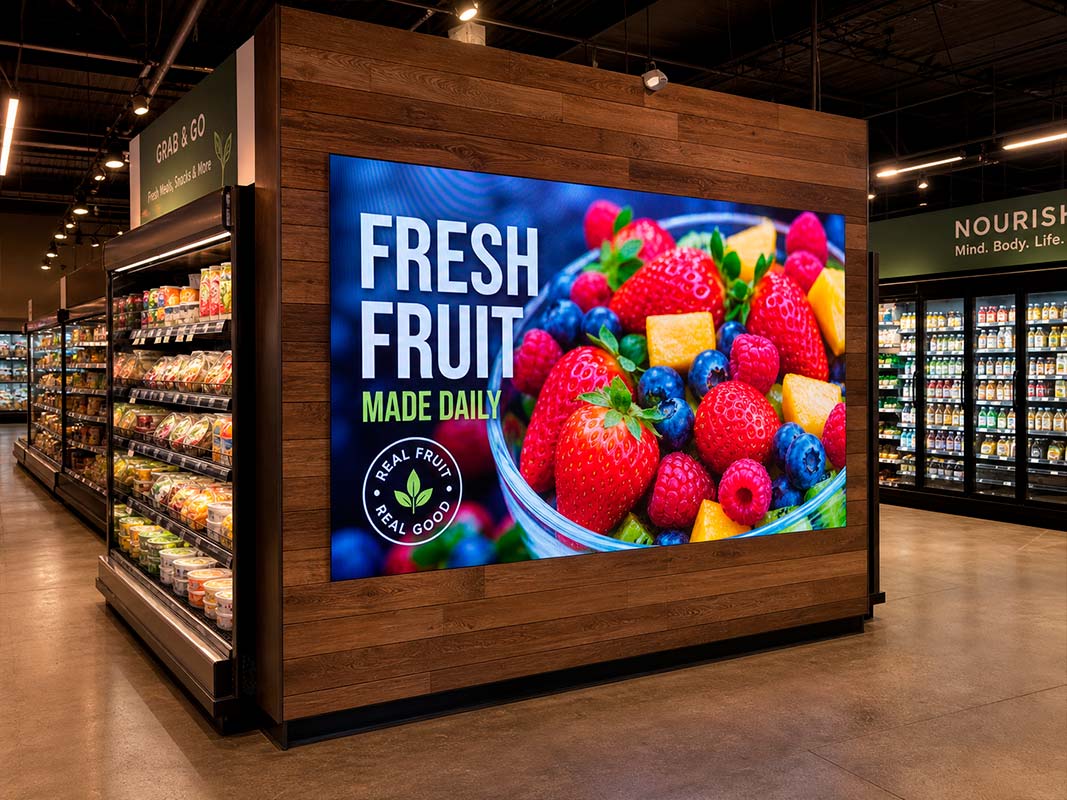
In close-range spaces, people notice everything: the sharpness of text, the edges of graphics, the quality of logos, and the smoothness of images. That is why finer pixel pitches are often recommended for boardrooms, museums, showrooms, luxury retail stores, studios, control rooms, and high-end corporate environments.
In these spaces, a good LED display panel should support both clarity and comfort. Resolution matters because small details need to remain readable. Viewing angle also matters because people may be seated or standing to the side of the display. A wide viewing angle, often in the 140° to 160° range, helps preserve visibility across the room.
Refresh rate is also worth considering, especially if the content includes motion graphics, video, camera-facing presentations, or recorded material. A higher refresh rate helps motion look smoother and can reduce visual issues when the screen is captured on camera. That matters in any space where presentation quality reflects the brand.
Large Venues Can Often Use a Wider Pitch
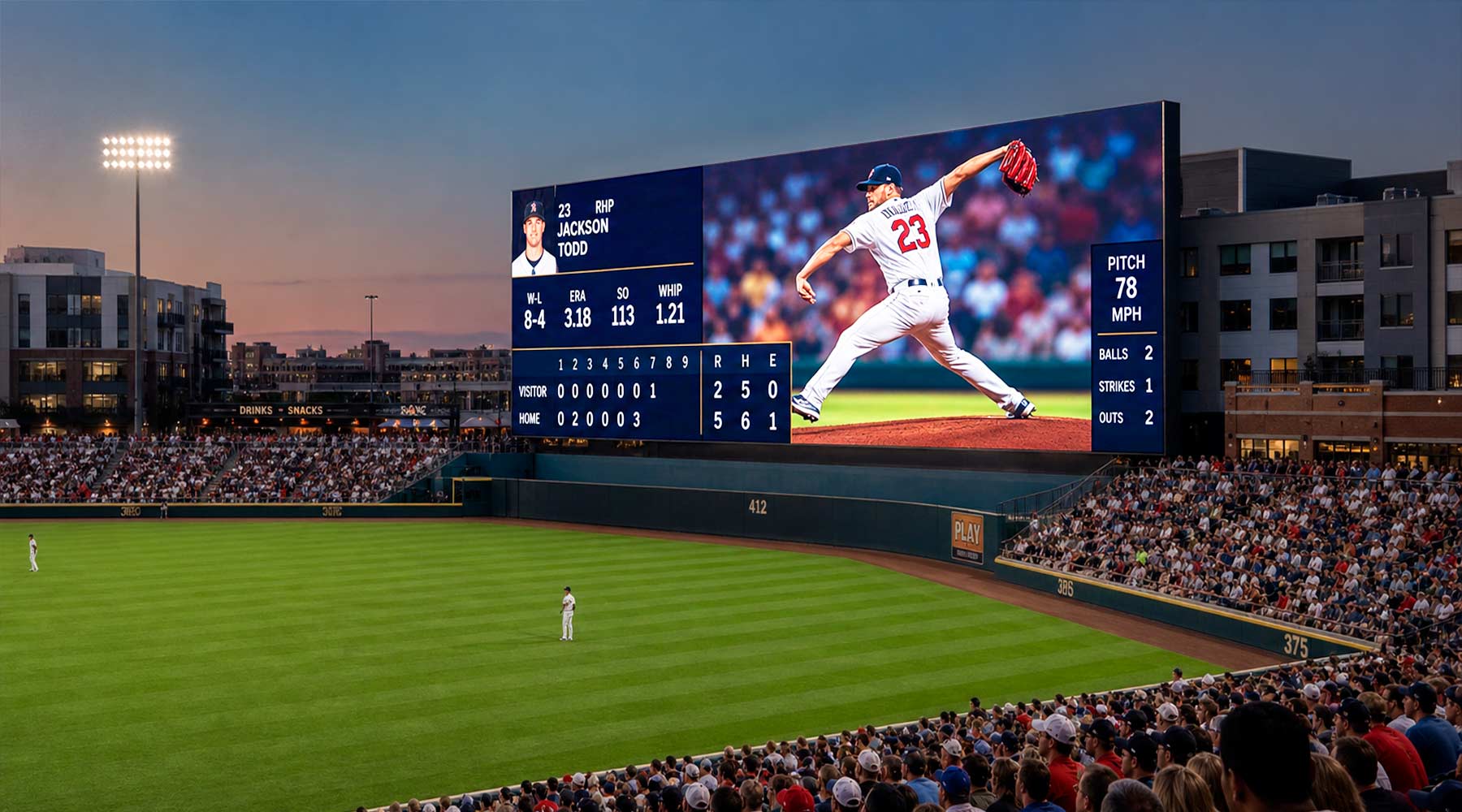
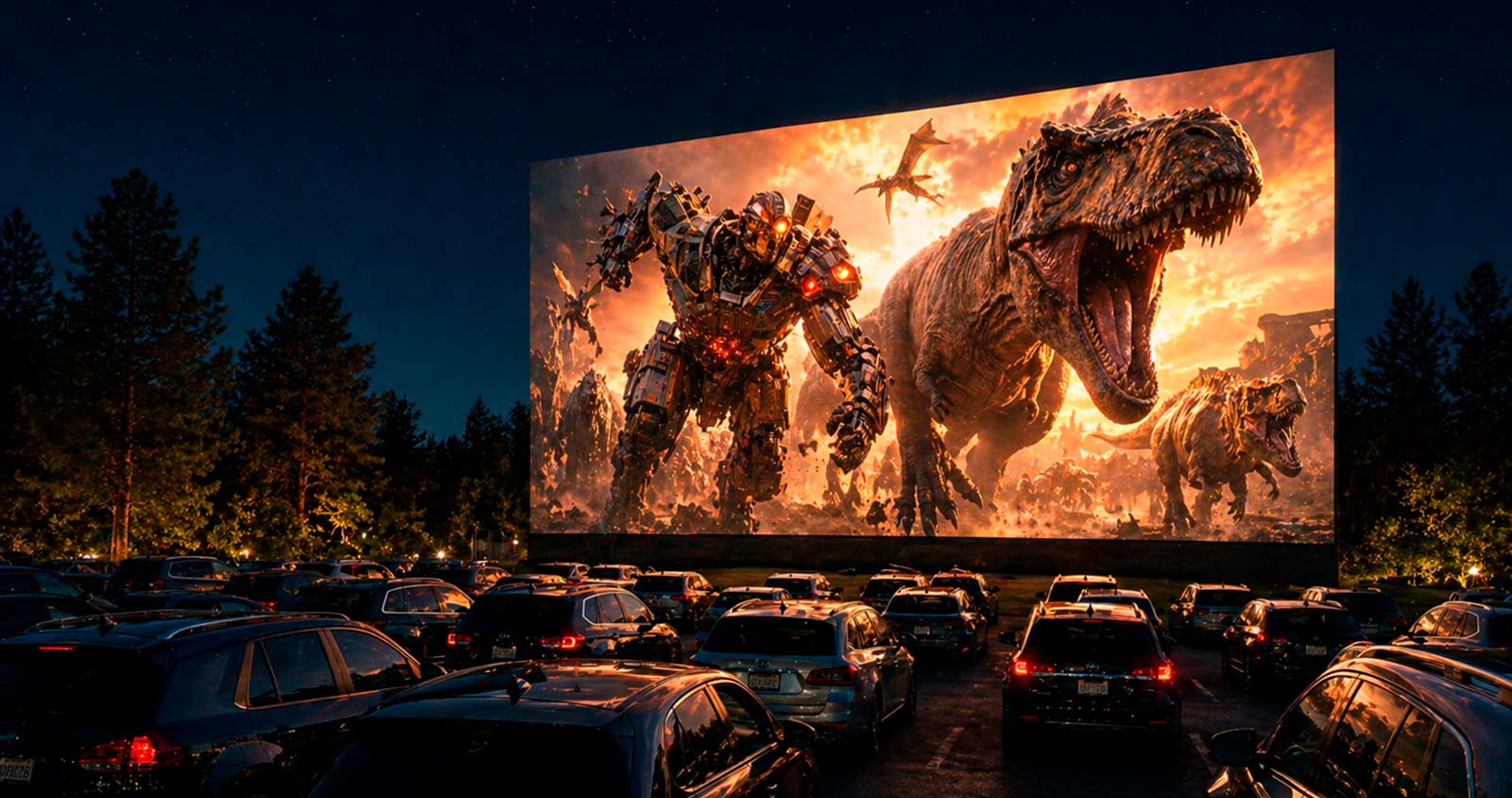
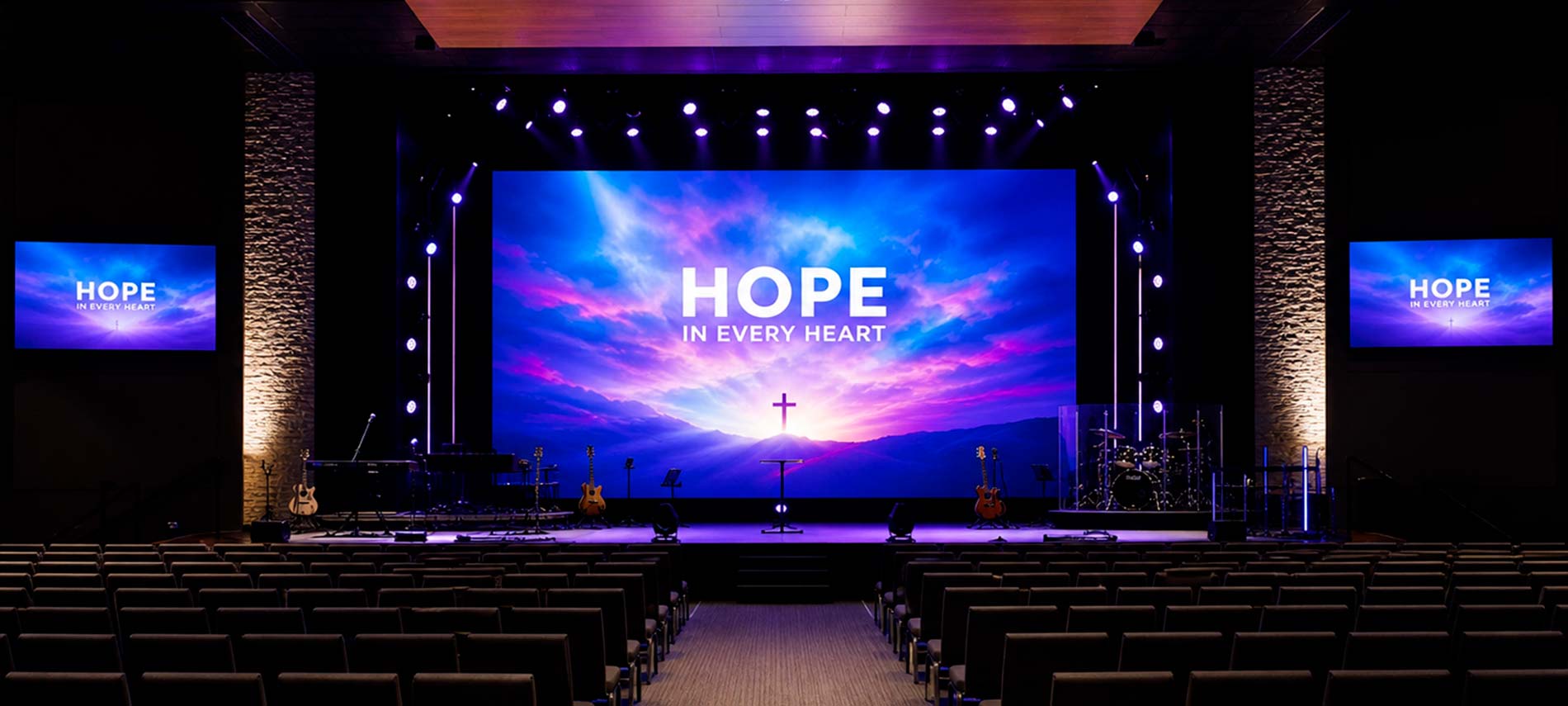
In larger spaces, the audience is usually far enough away that an ultra-fine pixel pitch may not be necessary. Auditoriums, large churches, trade shows, stages, gyms, stadiums, and outdoor venues often benefit more from size, brightness, and strong visibility than from the smallest possible pitch.
From a certain distance, the human eye stops noticing the difference between a very fine pitch and a wider one. That means a wider pitch can free up budget for other parts of the project, such as a larger screen, better mounting system, stronger video processor, improved brightness, spare parts, or professional technical support.
This is where smart planning protects ROI. The right LED panels should make the image clear for the audience while keeping the total project practical and financially sensible.
A Simple Way to Think About Distance
A practical pixel pitch decision usually follows a simple logic:
- For short distances, prioritize finer detail.
- For medium distances, balance clarity and cost.
- For long distances, prioritize size, brightness, and visibility.
- For outdoor use, also consider auto-adjusting brightness, IP65 protection, and durability.
- For controlled indoor spaces, IP45 may be sufficient depending on the environment.
This does not replace a professional recommendation, but it helps buyers understand why the “best” pitch changes from project to project. A premium showroom and an outdoor stage should not be evaluated with the same priorities.
Match the Pixel Pitch to the Type of Content You’ll Show in the LED Wall
The content on the screen can change the entire recommendation. Some content needs precision. Some content needs scale. Some content needs smooth motion. Some content needs to look good on camera. Before choosing an LED screen package, buyers should think about what will appear on it most often.
Text, Presentations, and Fine Details Need Sharper Panels
If the display will show small text, maps, dashboards, menus, data, corporate presentations, schedules, financial information, or detailed branded graphics, pixel pitch becomes especially important. A blurry image can make content harder to read and can weaken the professional image of the business.
This is common in corporate offices, universities, control rooms, retail environments, transportation spaces, restaurants, and institutional settings. In these cases, the screen is not only decorative. It is a communication tool.
A sharper pitch can help logos look cleaner, lines appear smoother, and data feel easier to read. For brands that rely on polished presentations or high-value customer experiences, this level of detail can make the technology feel more intentional and premium.
Video, Motion Graphics, and Events Allow More Flexibility
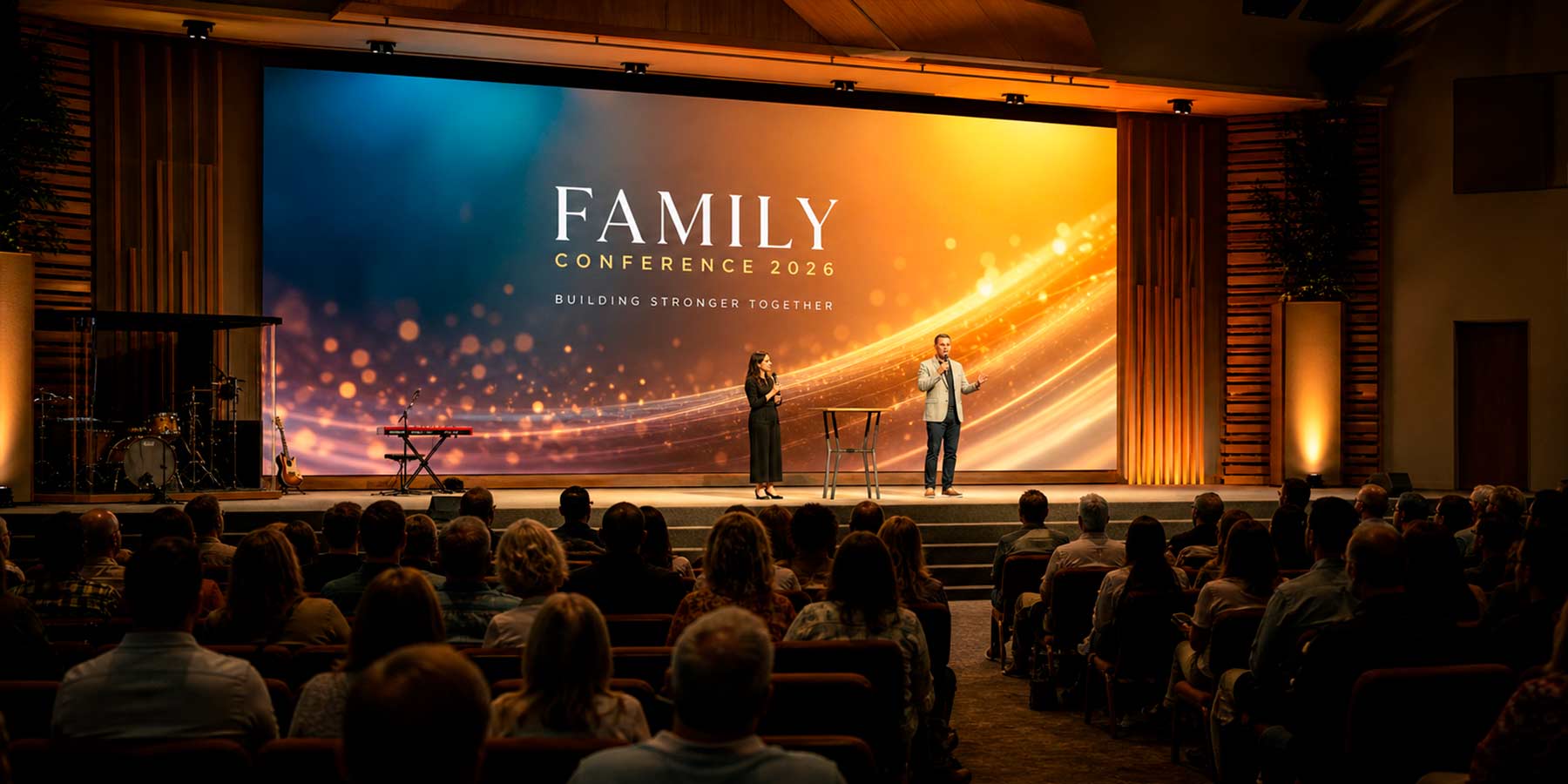
For concerts, churches, sports bars, product launches, stages, trade shows, and entertainment venues, the content is often larger, faster, and more visual. Animated backgrounds, live video, sponsor graphics, worship visuals, sports content, and stage effects do not always require the finest pitch if the audience is far enough away.
In these situations, a wider pixel pitch can still create a strong visual impact. The display may need brightness, scale, smooth motion, and reliable processing more than extreme close-range definition.
That is why many event-driven LED displays are selected with the full environment in mind. The screen must be visible, exciting, and dependable, but it does not need to solve a problem the audience will never notice.
Camera-Facing Applications Require Extra Care
Studios, virtual production spaces, broadcast sets, streaming rooms, recorded conferences, and camera-facing stages require a more careful approach. In these projects, choosing the right pixel pitch is only one part of the equation.
Refresh rate, synchronization, processing, camera settings, content quality, and control systems all influence the final result. If the screen will appear on camera, a higher refresh rate and a reliable video processor can help reduce flicker and visual artifacts. A sending card and professional control platform also help support signal stability and image performance.
Camera-facing LED screens are not simply viewed by the human eye. They are interpreted by a camera sensor, which means the system needs to be planned for both the live audience and the recorded image.
The Best Pixel Pitch Is the One That Fits the Real Project
Choosing pixel pitch is not about chasing the smallest number. It is about understanding the space, the audience, the content, the installation, and the business objective. The right screen should deliver the clarity people need without wasting budget on specifications that do not improve the real viewing experience.
A Practical Recommendation Is Better Than a Generic Spec
A generic spec can sound impressive, but it may not match the project. A P1.8 display may be ideal for a boardroom and unnecessary for an outdoor stage. A P5.0 display may be excellent for long-distance viewing and completely wrong for a small showroom.
The right pixel pitch should balance clarity, budget, brightness, durability, maintenance, installation method, content type, and ROI. It should also consider whether the project needs indoor comfort, outdoor visibility, camera-friendly performance, or flexible use across different events.
A well-chosen LED video wall does not just look good on day one. It continues to make sense as the business updates content, hosts events, trains staff, and measures the value of the investment. That is where the right specification becomes a long-term advantage.
Why Professional Guidance Makes the Difference
This is where working with a knowledgeable partner can save money, time, and frustration. LED Market helps businesses choose LED displays based on real project needs, including pixel pitch, viewing distance, screen size, indoor or outdoor use, installation method, control systems, service access, and long-term goals.
Whether the project calls for fine-pitch LED screens in a corporate space or larger-format LED solutions for events, churches, retail, hospitality, or outdoor visibility, LED Market can guide buyers toward a practical setup that supports performance, budget, and ROI.
Before making a decision, contact LED Market for transparent guidance, professional support, and a solution tailored to your real budget, space, and business goals.