
Understanding the Cost Breakdown of an LED Screen Quote
Two quotes can cover the same display size and still differ significantly in price. That gap usually reflects scope, component quality, and service—not just square footage. A lower proposal may include basic LED displays and LED panels while excluding the infrastructure and support needed to make the system work reliably.
A complete project can include the mounting structure, video processing, power and data cabling, installation, calibration, spare parts, training, and after-sales support. When several of these items are missing, the final cost often rises later. This is especially common with LED screens and LED video walls quoted as stand-alone products rather than complete systems. This guide explains how to compare proposals on equal terms, identify hidden omissions, and protect the long-term value of your investment. The goal is not to choose the lowest number, but the most complete and appropriate solution. That applies whether you are evaluating LED wall packages or broader LED solutions.
The LED Wall Surface Is Only the Starting Point
Most buyers picture one large screen, but the visible surface is only one part of a modular system. Every technical decision affects the purchase price, installation requirements, operating costs, and future maintenance.
Screen Size Is Built Cabinet by Cabinet
A display is assembled from cabinets that hold individual modules, power supplies, receiving cards, and internal wiring. More surface area means more hardware, greater weight, higher resolution, and a more complex installation.
Cabinet construction also affects the quote. Die-cast aluminum is typically lighter and more precise than steel, which can simplify transportation, alignment, and handling. A higher cabinet cost may reduce labor, structural load, and setup time over the life of the project. This is an important consideration when comparing LED panels.
Pixel Pitch Changes More Than Image Detail
Pixel pitch is the distance between the centers of adjacent pixels. A smaller pitch creates greater pixel density and sharper detail at close range. It also increases hardware costs and processing demands because the system must control more pixels.
The right pitch should be based on the closest viewing distance and the type of content being shown. Fine-pitch LED display panels make sense in studios, meeting rooms, and other close-viewing environments. For large installations viewed from farther away, paying for unnecessary density rarely improves the audience experience.
Brightness and Protection Reflect the Environment
Indoor and outdoor installations require different brightness levels, sealing, thermal management, and weather protection. The correct specification should match the environment rather than chase the highest number on a datasheet.
Indoor LED displays typically operate at moderate brightness in controlled conditions. Outdoor LED screens must remain visible in daylight and withstand moisture, dust, temperature changes, and other environmental stress. These additional protections increase costs, but they are essential for reliable performance.
Automatic brightness control can also improve visibility and reduce unnecessary power use. By adjusting output to ambient light, the system remains comfortable to view while reducing heat and energy consumption.
The Quote Should Include the LED Screen Signal Path
Every image travels through a chain of equipment before it reaches the final pixel. That chain may include the content source, media player, processor, sending card, receiving cards, network hardware, and cabling. Leaving out one part can create compatibility problems or unexpected costs during installation.
For LED video walls, the proposal should clearly identify each device in the signal path and explain how the system will handle the required resolution, input formats, control method, and backup needs. A complete signal plan is as important as the visible display itself.
Processing Equipment Has Its Own Role
The processor scales source content to the native canvas, manages inputs, and controls image parameters. Sending and receiving hardware then distributes that data across the cabinets. Processor pricing varies according to bandwidth, output capacity, latency, redundancy, and supported formats.
Key cost factors may include:
- Input support: HDMI 2.0, DisplayPort, SDI, fiber, or other professional formats.
- Canvas size: Full HD requires less processing power than 4K, 8K, or custom ultra-wide resolutions.
- Image control: Picture-in-Picture, multi-layer composition, cropping, switching, and scaling.
- Redundancy: Backup power, duplicate signal paths, or failover ports for critical applications.
- Production features: Genlock, low latency, high refresh support, and camera-ready synchronization.
The processor should be sized for the actual application, not selected as an afterthought.
Live and Scheduled Content Require Different Setups
The control method determines what hardware, software, storage, and network access the project needs. The quote should state whether the system will operate synchronously, asynchronously, or in a hybrid configuration.
Synchronous systems display live content from a computer, media server, or production source. They are best suited to events, studios, control rooms, stadiums, and live presentations.
Asynchronous systems use a media player with internal storage and a content management platform. They are practical for retail signage, billboards, menu boards, and scheduled advertising.
Hybrid systems combine programmed content with live input switching. They work well in multipurpose venues such as restaurants, sports bars, worship spaces, and event facilities.
Integration Can Add or Remove Hidden Costs
A display rarely connects to an existing system without some level of integration. Adapters, converters, media players, software licenses, video matrices, managed switches, and network configuration may all be required. A low quote can become expensive when these items appear after the purchase order is approved.
Before comparing LED walls, confirm which existing sources and systems must be supported. Compatibility should be verified before equipment is selected, not during commissioning.
Installation Costs Depend on the Building
The same equipment can carry very different installation costs depending on the site. Wall construction, ceiling structure, access, electrical service, ventilation, and mounting height all affect labor and engineering. The building is part of the project, even when it is not part of the product.
Two LED screens of identical size may require completely different support systems. A realistic proposal should account for the conditions of the actual installation location.
The Mounting Method Shapes the Labor
The LED wall support system determines the structure, engineering, tools, and specialized labor required. The safest option is not always the simplest or least expensive.
Installation Can Change the Real Cost
Require a level base and an independent structure capable of supporting the full load. Large outdoor installations may also require ballast, foundations, or wind-load calculations.
Wall-mounted systems:
Require confirmation that the wall and anchors can support the equipment. A custom substructure is often needed for precise leveling and seamless alignment.
Suspended systems
Require certified rigging points, hanging bars, hoists or motors, load calculations, and trained personnel.
A serious quote includes the hardware and engineering required to install LED panels safely. It should never assume that the existing structure is adequate without verification.
Access Changes the Installation Plan Limited
Limited access can increase labor, equipment rental, and setup time. Stairs, small elevators, distant loading areas, restricted work hours, and high mounting positions all affect the final cost. These conditions should be reviewed during a site survey, not discovered on installation day.
The proposal may also need to include lifts, cranes, additional crew, extended cable runs, fiber, electrical upgrades, ventilation, trim, drywall, or metalwork. These details often separate a realistic quote from an incomplete one.
Service Access Can Save Money Later
Maintenance access should be decided during the design stage. A system that is easy to service can reduce downtime and labor costs for years.
Front-service configurations allow technicians to remove modules and internal components from the viewing side. Rear-service systems require clear space behind the structure. Selecting the wrong access method for the site can turn a simple repair into a major disassembly.
For LED display panels installed against a finished wall or inside a shallow recess, front access is often the more practical choice. The best option depends on the architecture, available space, and maintenance plan.
The goal is a confident, practical decision. Below, LED Market explains where each option performs best.

Visual Performance Must Be Quoted as a Complete LED Wall System
Image quality depends on several specifications working together, including resolution, refresh rate, brightness, color processing, calibration, and viewing angle. No single number can define the performance of the entire system.
Well-specified LED displays match these requirements to the content, environment, viewing distance, and camera use. This prevents overspending on features that add little value while protecting the areas that directly affect performance.
Resolution Affects Processing and Content Production
Total resolution is determined by physical size and pixel pitch. As the pixel count rises, the project may require more processor outputs, greater bandwidth, stronger source hardware, and more detailed content production. Higher resolution affects the full workflow, not only the display surface.
Custom canvases often do not match standard 16:9 formats. For LED video walls, graphics and video may need to be designed at the exact native dimensions. Content adaptation should be planned and budgeted before launch.
Refresh Rate Matters in Camera-Heavy Environments
Refresh rate describes how often the image updates each second. A display can look smooth to the eye and still show flicker, scan lines, or banding on camera.
Higher refresh rates are especially important in studios, churches, auditoriums, events, and other locations where the display will be recorded or streamed. For standard commercial signage viewed directly, a lower specification may be entirely appropriate.
The correct choice should reflect the recording environment, camera settings, and production requirements. Paying for performance that will never be used is not a better investment.
Viewing Angle Influences Cabinet Selection
Viewing angle affects how well brightness, color, and contrast hold up when the audience moves away from the center. This matters in wide rooms and open spaces where viewers approach from different directions.
A conventional angle may be sufficient for narrow corridors or front-facing audiences. Restaurants, hotel lobbies, retail corners, and auditoriums often benefit from LED walls designed for wider lateral visibility. The quote should reflect how people will actually experience the content.
Compare Total Value, Not Just Total Price
The most useful comparison is based on complete scope, expected performance, and long-term ownership costs. A lower price is not a better value when essential items are excluded. Whether you’re renting an LED Screen or buying any LED product, LED Market is the perfect partner for your project.
Separate Included Items From Optional Items
Each proposal should clearly separate included equipment, required services, and optional upgrades. This makes competing quotes easier to compare and reduces last-minute additions.
Confirm the scope of:
Display hardware:
LED panels, modules, receiving cards, power supplies, and cabinets.
Physical infrastructure:
Mounting structure, substructure, trim, fasteners, and finishing elements.
Power and data:
Electrical distribution, connectors, data cabling, fiber, and thermal requirements.
Spare parts:
Matching modules, power supplies, and control cards from the same production batch.
Logistics and labor:
Transportation, unloading, assembly, installation, and site-access equipment.
Commissioning and training:
Configuration, calibration, testing, documentation, and staff instruction.
Warranty and support:
Coverage, response times, local service, and replacement procedures.
Factor Warranty and Support Into Ownership Cost
Warranty value depends on what is covered and how service is delivered. A long warranty means little if parts are unavailable or support is slow.
Review response times, local technical availability, spare-parts inventory, labor coverage, and shipping responsibility. For LED screens, these details can have a greater financial impact than a small difference in the initial purchase price. Support should be evaluated as part of the system, not as a footnote.
Measure ROI Against the Purpose of the Screen
Return on investment should be tied to the purpose of the installation. The right quote supports a measurable business or operational outcome.
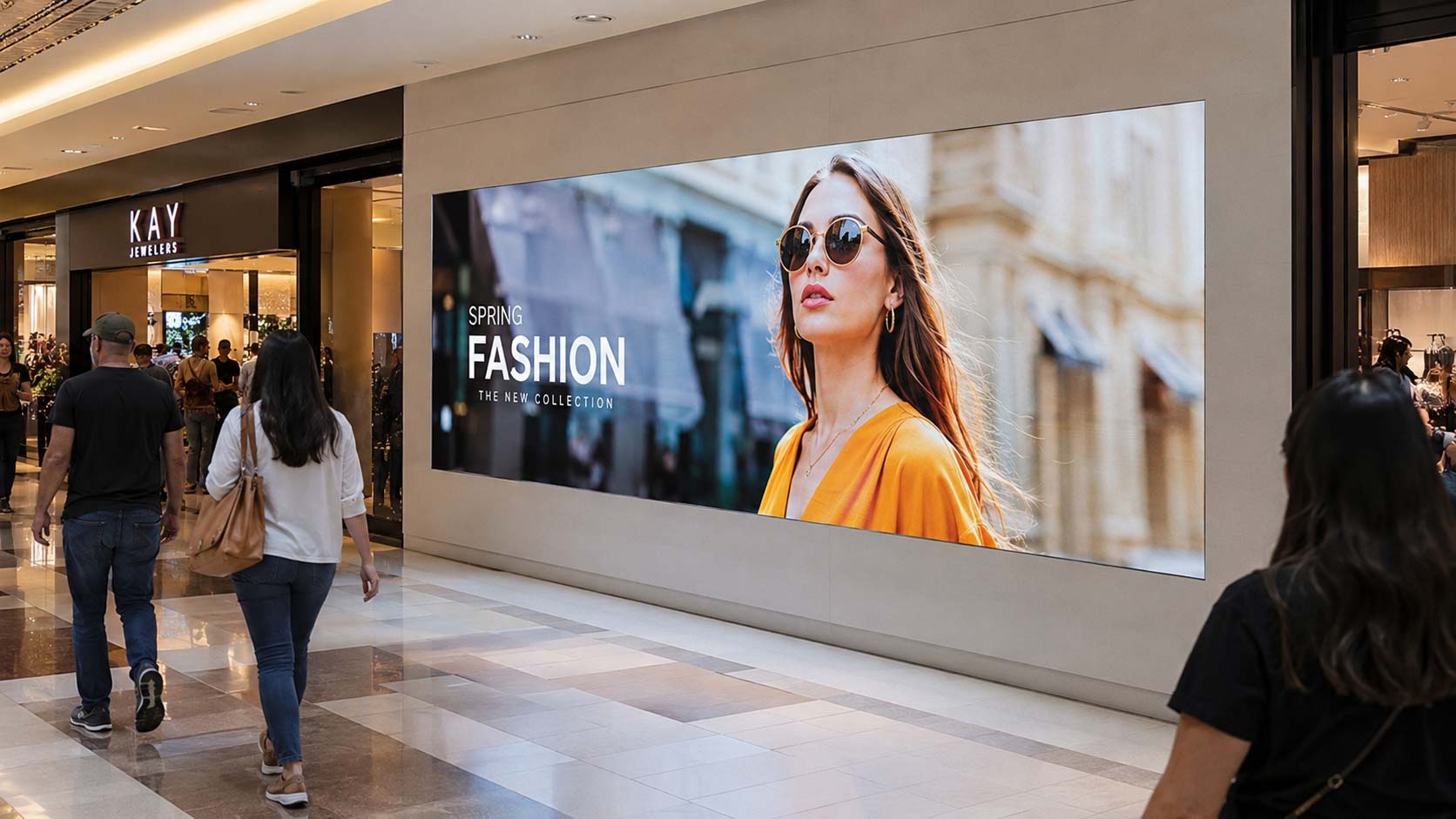
In retail, LED displays may be evaluated by visibility, foot traffic, promotional performance, and sales lift. In outdoor advertising, revenue may come from ad inventory, advertiser rotation, and impressions. The financial model should reflect how the system creates value.
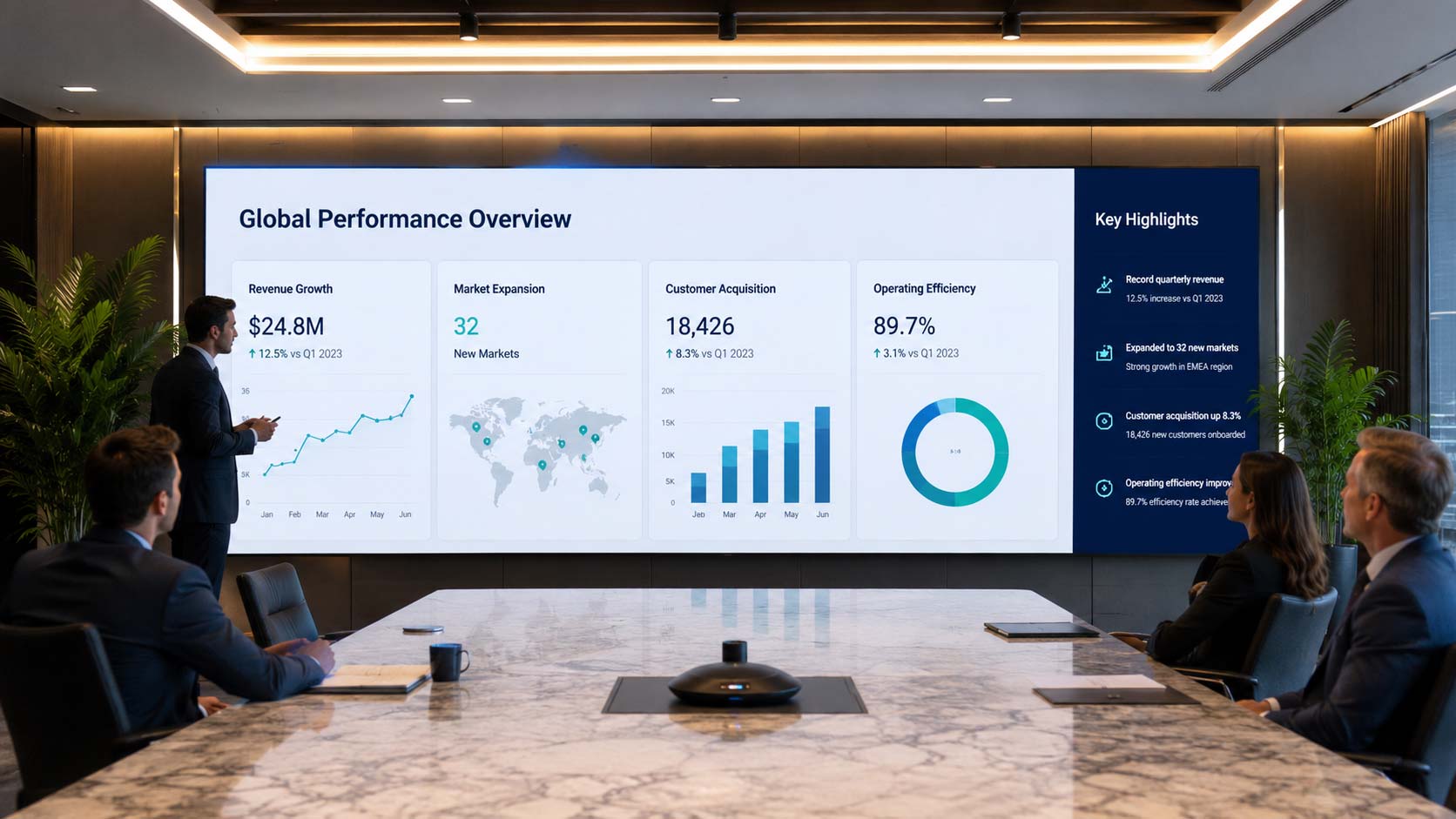
In corporate environments and control rooms, value may come from faster decision-making, stronger collaboration, and more efficient communication. In churches, auditoriums, and event venues, LED display panels can improve audience engagement, content flexibility, and production quality. Different applications require different definitions of success.
Request a Quote That Explains Its Logic
At LED Market, we believe a strong proposal should explain why each component is included. Clients should understand how the system was designed, what it will cost to install, and how it will be supported after launch.
Whether you need LED video walls for a permanent venue or LED technology for a temporary rental, our team evaluates the display, processing, structure, installation, and support as one coordinated project. That approach helps protect performance, budget, and long-term reliability.
A complete quote should make comparison easier—not more confusing. By reviewing LED walls alongside the required LED devices, services, and infrastructure, you can choose a solution based on total value rather than an incomplete starting price. The best proposal is the one that clearly connects technical choices to your real-world goals.
Ready to take your brand to the next level? We design websites that don’t just look great—they convert.