
The Spec Sheet Translation Guide for First-Time LED Wall Buyers
Imagine your company is ready to invest in one of several LED video walls, only to receive a quote filled with pixel pitch, refresh rate, brightness, viewing angle, IP rating, and control-system specifications. The document may look impressive, but the real question is simple: What do those numbers mean for your project?
For first-time buyers, technical data sheets often feel like a new language. The issue is not the amount of information; it is that the figures are rarely connected to the decisions that matter most—visibility, installation, maintenance, compatibility, and long-term value.
Most buyers do not need to memorize specifications. They need practical answers: Will LED screen packages look clear from the intended distance, remain visible in the available light, integrate with existing equipment, and be easy to service?
This guide turns technical data into useful buying criteria, helping you compare options, ask better questions, and avoid choosing equipment based only on price or headline specifications.
Start With the LED Screen Viewing Experience
Before comparing numbers, think about the audience. LED walls are not purchased for a particular specification alone; they are purchased to communicate clearly, support content, and create a strong viewing experience in a specific space.
When comparing LED walls, technical details become meaningful only when they are connected to the screen’s purpose, the room, and the people viewing it.
Pixel Pitch in Relation to Viewing Distance
Pixel pitch is the distance between the pixels that form an image. On its own, that definition is not especially useful. The practical question is how close the audience will be.
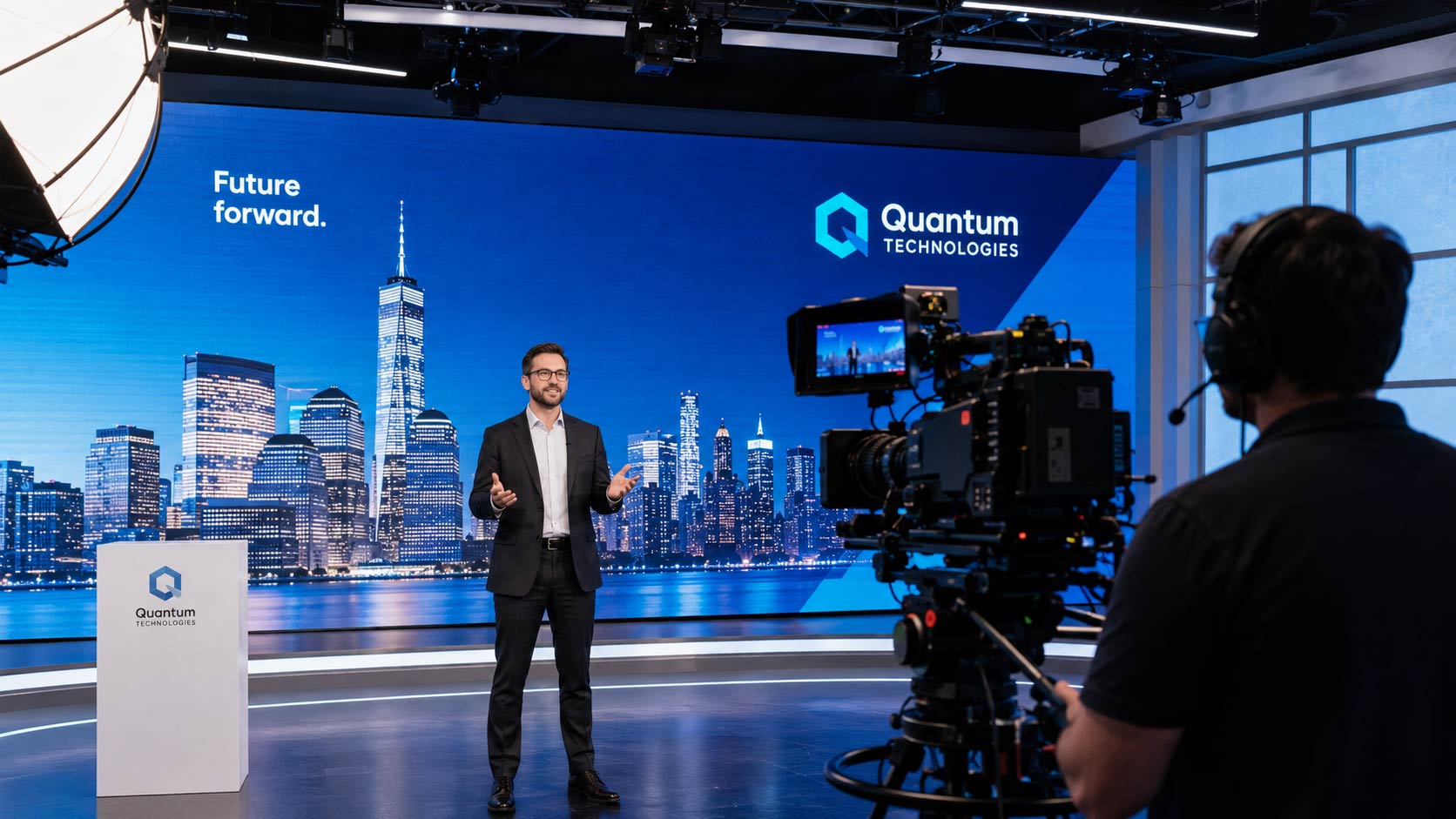
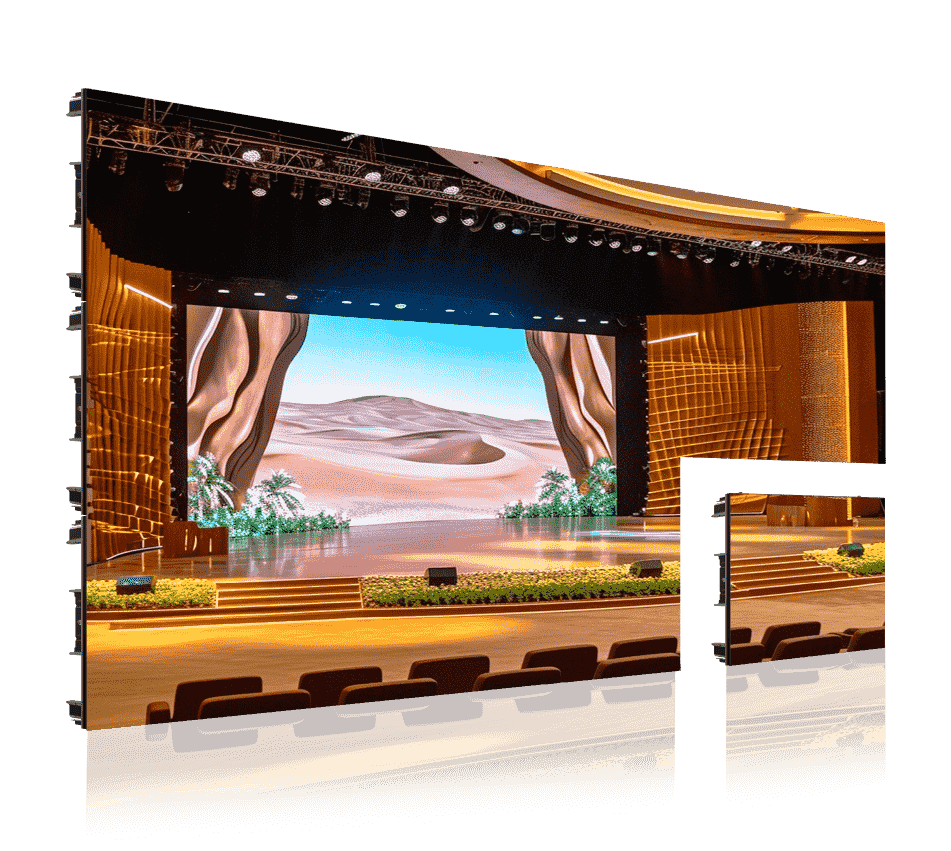
For close-viewing environments such as lobbies, studios, meeting rooms, showrooms, or corporate spaces, a finer pixel pitch helps LED displays appear smoother and more detailed. When viewers are farther away, as in churches, auditoriums, stages, or large event spaces, the smallest available pitch may add cost without producing a noticeable benefit.
Instead of automatically choosing the lowest number, ask which pixel pitch is appropriate for the typical viewing distance.
Read Resolution as a Content Question
Resolution should not be treated as a contest between larger numbers. It should be matched to the content being displayed.
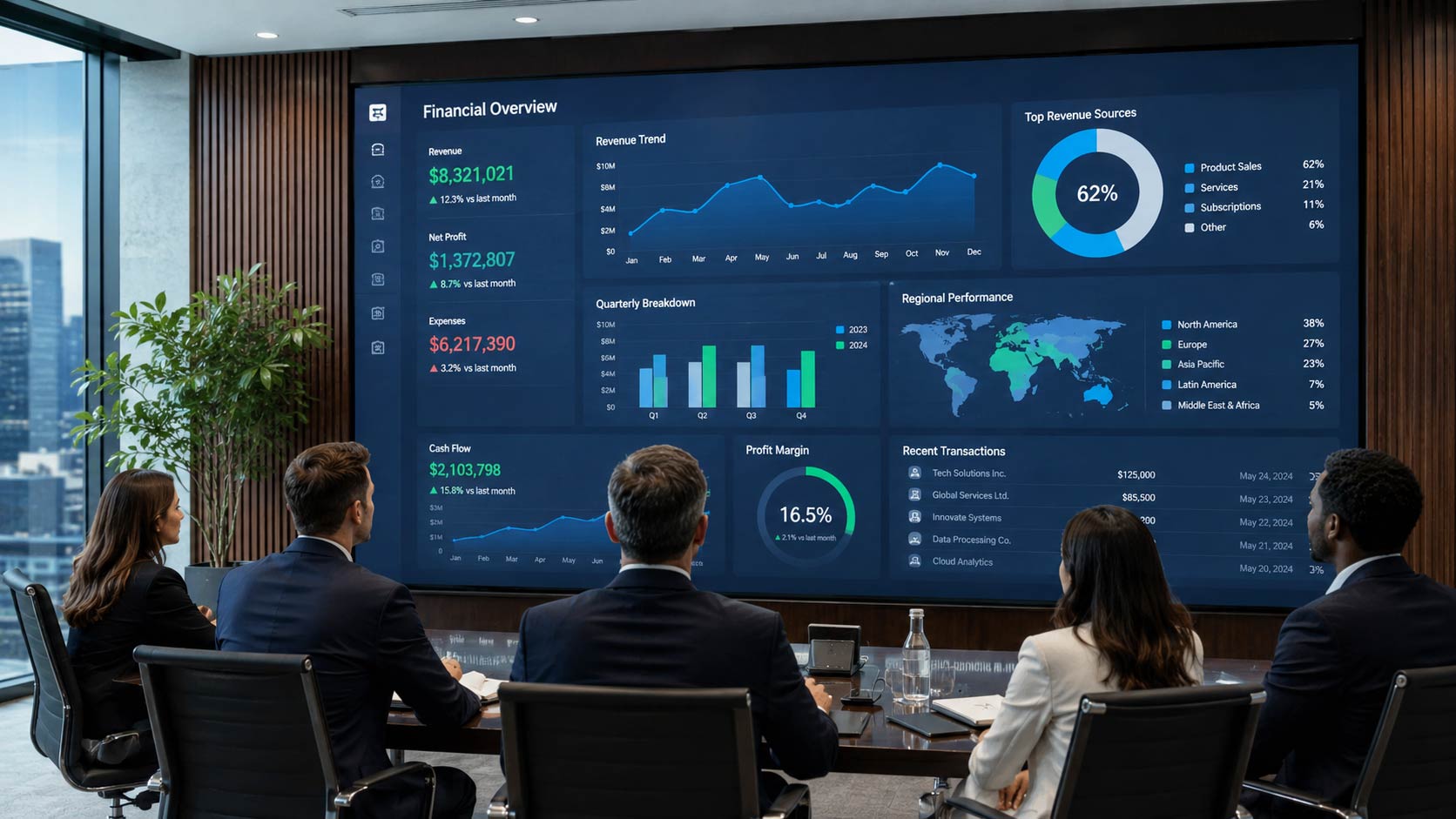
Promotional videos do not require the same level of detail as spreadsheets, dashboards, presentations with small text, or complex graphics. For LED display panels, perceived detail depends on the complete configuration, including overall screen size, module count, pixel pitch, content format, and viewing distance.
When reviewing resolution, focus on what the audience must see clearly and how far away they will be.
Check Whether the Screen Works From Every Position
Viewing angle determines how well an image holds up when people are not standing directly in front of the screen. Side visibility matters in restaurants, churches, stores, auditoriums, and corporate environments, where many viewers watch from a diagonal position.
A wide viewing angle—often between 140° and 160°—helps maintain consistent color, brightness, and clarity across the room. The practical question is whether everyone will have a good view, not just the people in the center.
The goal is a confident, practical decision. Below, LED Market explains where each option performs best.

Matching LED Display Performance to the Real Environment
Specifications should never be evaluated without considering the installation environment. The same equipment can perform well in one setting and poorly in another because lighting, placement, and usage conditions are different.
Before comparing LED panels, evaluate the installation location, ambient light, operating conditions, and desired viewer experience.
Brightness Should Respond to the Room
More brightness does not automatically mean better quality. The correct level depends on where the system will operate.
In lobbies, meeting rooms, stores, and other indoor spaces, excessive brightness can feel harsh and cause visual fatigue. The goal is clear, comfortable content that fits naturally into the room.
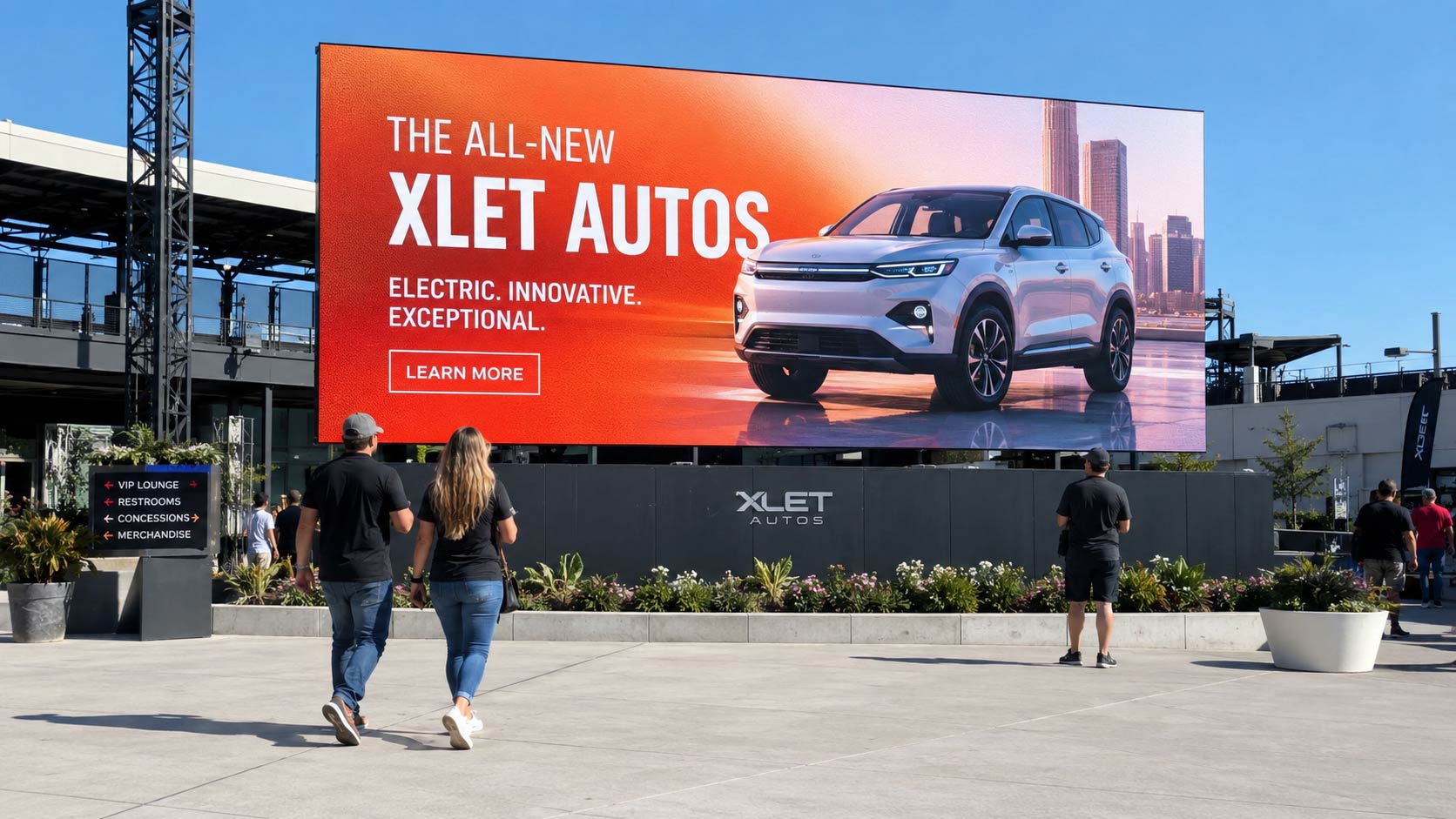
Outdoor LED video walls face a different challenge. They must remain visible in direct sunlight, changing weather, and shifting daylight conditions. Choose brightness for the environment, rather than simply selecting the highest nit rating.
Use IP Ratings as a Placement Guide
An IP rating indicates how well equipment is protected from dust, moisture, and other environmental exposure. The right rating depends on where the installation will be located.
In controlled indoor LED screens or partially protected spaces, an IP45 rating may be sufficient. For outdoor LED displays exposed to rain, humidity, and airborne particles, an IP65 rating is generally more appropriate.
The goal is not to choose the highest number. It is to confirm that the equipment can withstand its daily conditions.
Understanding the Refresh Rate Changes
Refresh rate can seem abstract until cameras are involved. For many professional LED screens, a high refresh rate supports smoother motion, cleaner transitions, and more stable on-camera performance.
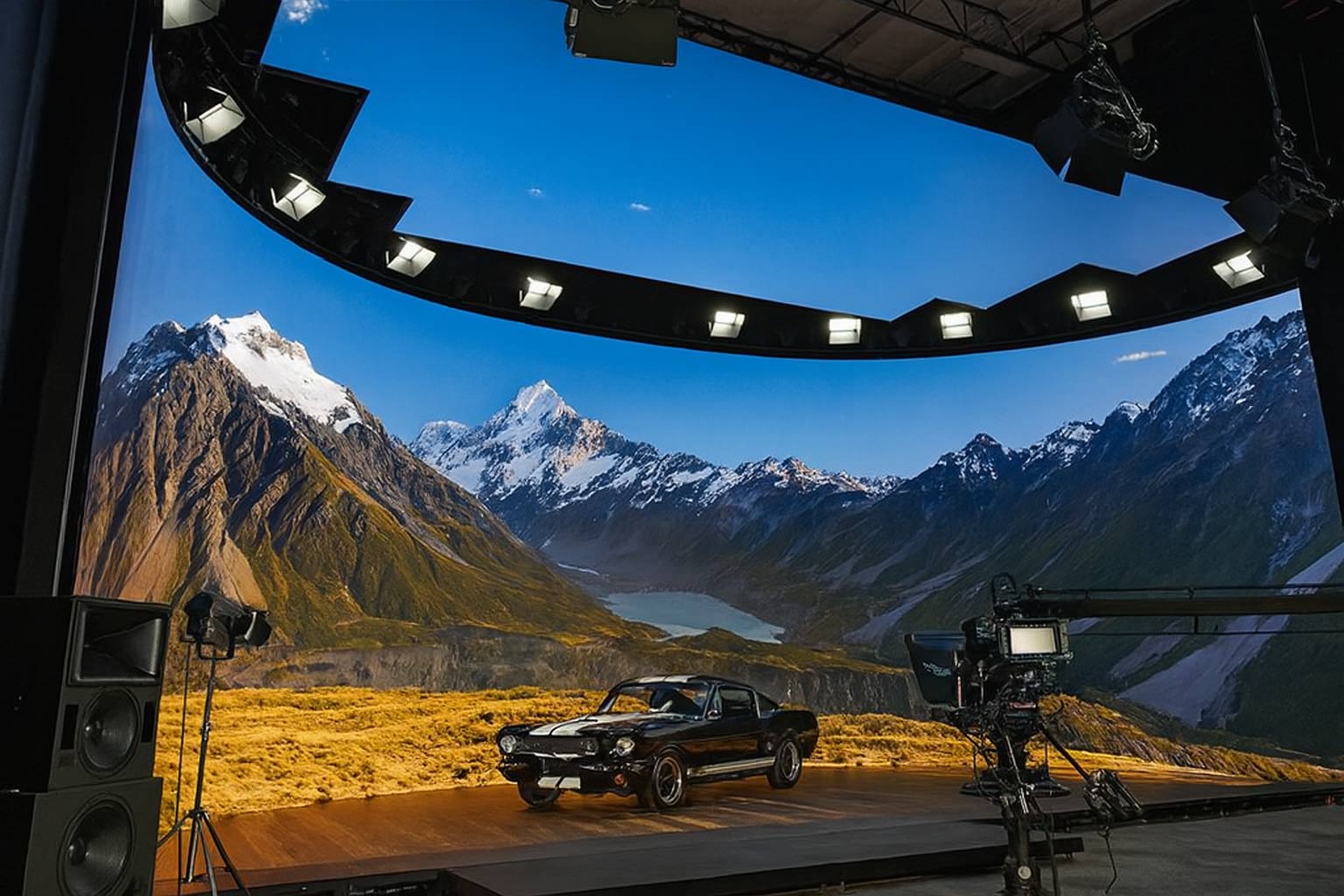
A specification around 3,840 Hz is common in professional applications and can reduce visible flicker or scan lines during recording. That advantage matters in broadcast studios, virtual production, livestreamed church services, social media events, and recorded corporate presentations.
The key question is whether the image will still look professional on camera, not just in person.
Look Beyond the LED Panel Itself
The visible surface is only one part of the system. Behind LED walls are processors, sending cards, receiving cards, controllers, and software that determine how content is scaled, synchronized, and distributed.
Good image quality depends on the entire signal path, not only on the cabinets or modules.
Identify How Content Reaches the Screen
When a video, presentation, or live feed appears on LED display panels, it has already passed through a processing chain. That chain adapts the source signal to the screen’s resolution and distributes it across the modules.
Components such as video processors, sending cards, receiving cards, and platforms like NovaStar help ensure stable playback and correct synchronization. A strong system should manage the content path reliably from source to display.
Decide Between Live and Scheduled Playback
Content management generally falls into two categories: synchronous and asynchronous operation. The distinction is based on how content is delivered.
Synchronous systems display real-time content from computers, cameras, or other live sources. They are suited to changing content in events, production studios, churches, stages, and corporate presentations.
Asynchronous systems store content on the controller and play it according to a schedule. They are well suited to digital signage, menus, promotions, and institutional messaging. Neither approach is inherently better; the right choice depends on daily use.
Confirm Integration Before Purchasing
LED panels rarely operate alone. They usually connect to a broader ecosystem that may include computers, media players, cameras, switchers, audiovisual equipment, and content-management platforms.
Before purchasing, confirm that the proposed setup supports the organization’s existing sources and workflows. Simple integration improves flexibility, reduces unnecessary upgrades, and makes future changes easier.
Most modern LED technology supports multiple input types, but compatibility should still be verified before installation.
Translate Construction Into Installation and Maintenance
A technical data sheet also reveals how equipment will be installed, serviced, and maintained. These details influence assembly time, access requirements, downtime, and long-term operating costs.
For LED video walls, serviceability can be just as important as image quality, especially in permanent or business-critical installations.
Match the Mounting Method to the Space
The LED wall support system should reflect the space, structure, and intended use.
Ground-supported structures are practical when the screen cannot rely on a wall or needs to be moved. They work well for events, temporary stages, and flexible installations.
Wall-mounted LED displays are often better suited to lobbies, churches, showrooms, offices, and commercial interiors where a permanent, streamlined appearance is preferred.
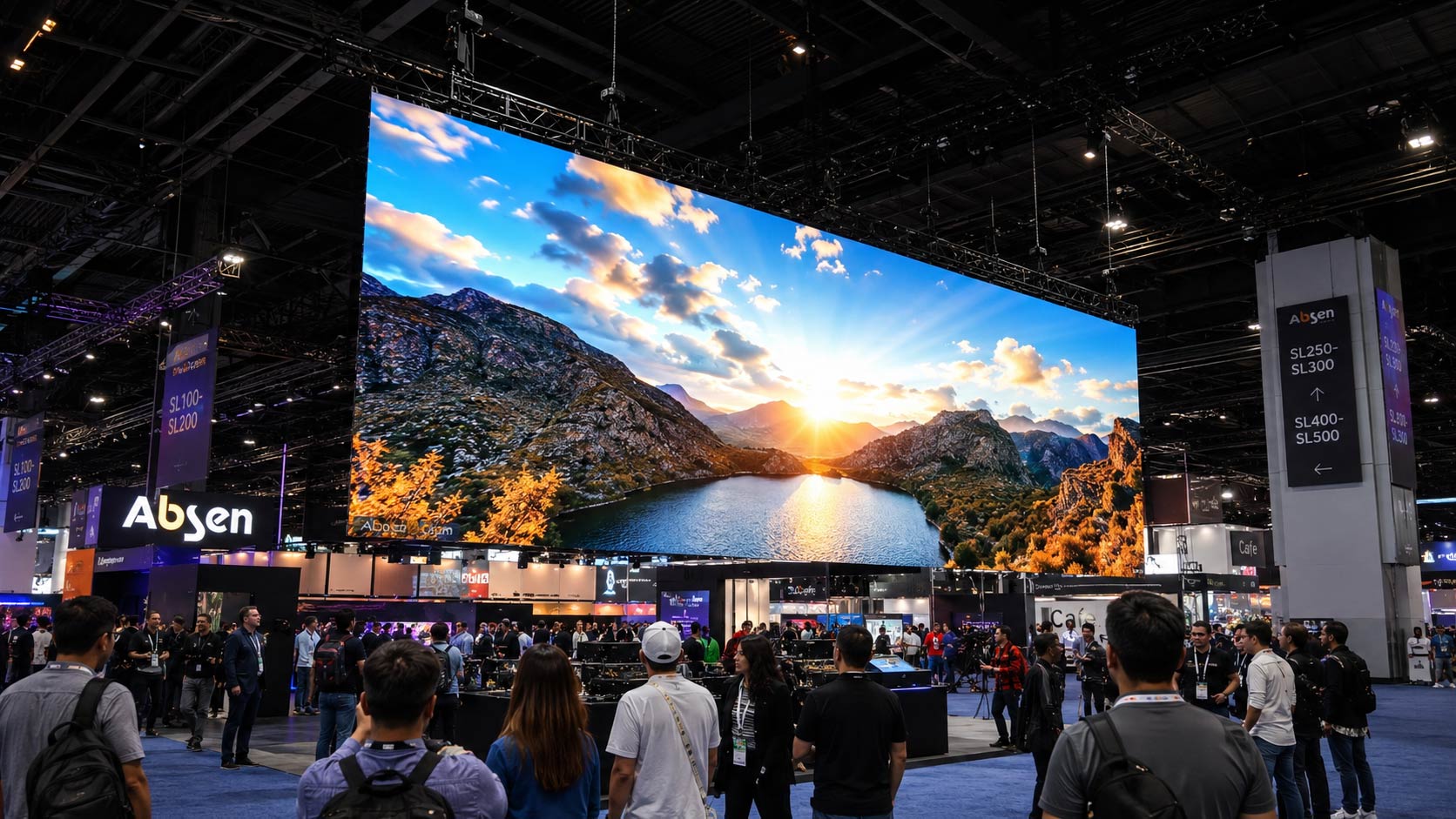
Flown installations suspend the screen from an overhead structure, preserving floor space and improving visibility in stages, exhibitions, auditoriums, and large events. The best method depends on how the installation must function within the venue.
Ask How Components Are Replaced
Even reliable LED screens may eventually require maintenance. The important question is not simply whether a component can be replaced, but how quickly and easily the work can be completed.
Full front service gives technicians access to modules, power supplies, and internal boards from the front. This is especially valuable when rear clearance is limited.
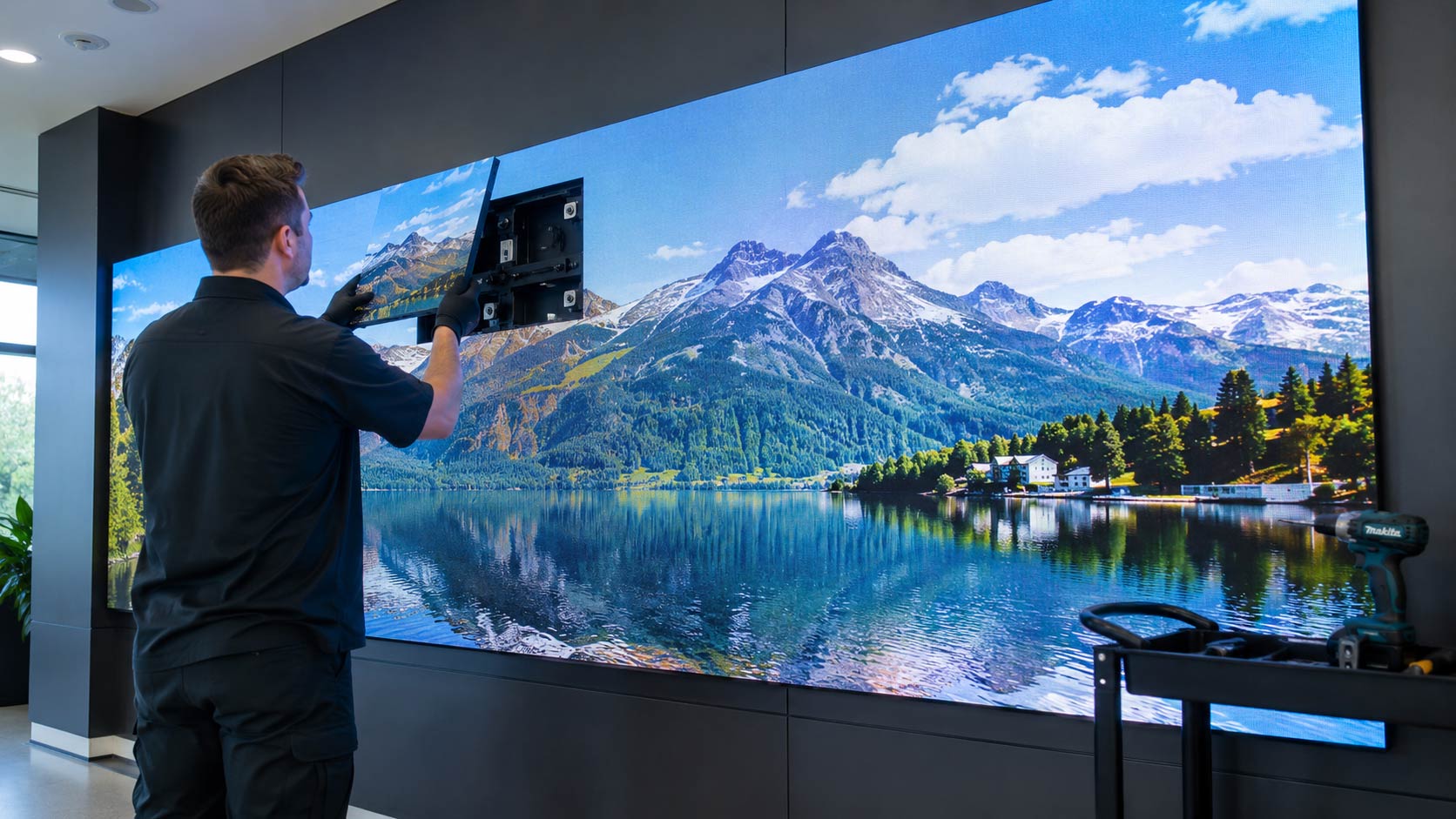
Magnetic LED panels can simplify service by allowing individual sections to be removed without dismantling large portions of the display. That design can reduce downtime and disruption.
Read the Warranty Beyond the Headline
A five-year warranty can be reassuring, but its real value depends on the coverage and support behind it.
Review which components are included, how replacement parts are handled, whether technical assistance is available, and what response times can be expected. A strong warranty should be operational, not merely promotional.
Also consider spare-parts availability, installation support, control-system coverage, and troubleshooting procedures. These details can matter as much as image specifications when LED devices are used in demanding environments.
Turn the Spec Sheet Into a Buyer Checklist
You do not need to become an engineer to make a sound purchase. You need a supplier who can connect the specifications to the realities of your project.
A qualified supplier should ask three groups of questions:
- Installation: Will the system be indoors, outdoors, or partially covered? What is the minimum viewing distance? How will it be mounted?
- Operation: What content will be shown? Will cameras, livestreams, or live sources be involved? Which systems must connect to the display?
- Maintenance: Is rear access available, or would front service be more practical?
Those questions give technical details a useful, project-specific context. They also make it easier to compare LED display panels without relying on isolated numbers. Pixel pitch, resolution, brightness, refresh rate, control systems, and IP ratings matter only when they support the intended application.
LED Market helps companies and institutions evaluate LED solutions by aligning products, control systems, mounting structures, and technical support. The objective is a balanced, dependable setup that performs correctly from installation onward and continues to deliver value over time.
Put your business to work 24/7. We build the ideal platform to attract and convert leads.