
Rental-Style vs. Fixed-Install LED Cabinets: Which Hardware Design Should You Buy?
When two cabinets are powered on side by side, they can deliver nearly identical image quality. Brightness, color accuracy, and refresh rate may look the same, but the real difference is how the hardware is engineered to perform over time.
Rental-style cabinets are built for repeated transport, fast setup, teardown, and frequent reconfiguration. Fixed-installation cabinets are designed for long-term placement, cleaner integration, and dependable daily operation. In practice, the choice is less about image quality and more about how the system will be used after installation.

Start With How Often the LED Screen Will Move
Some LED Walls Are Built to Travel
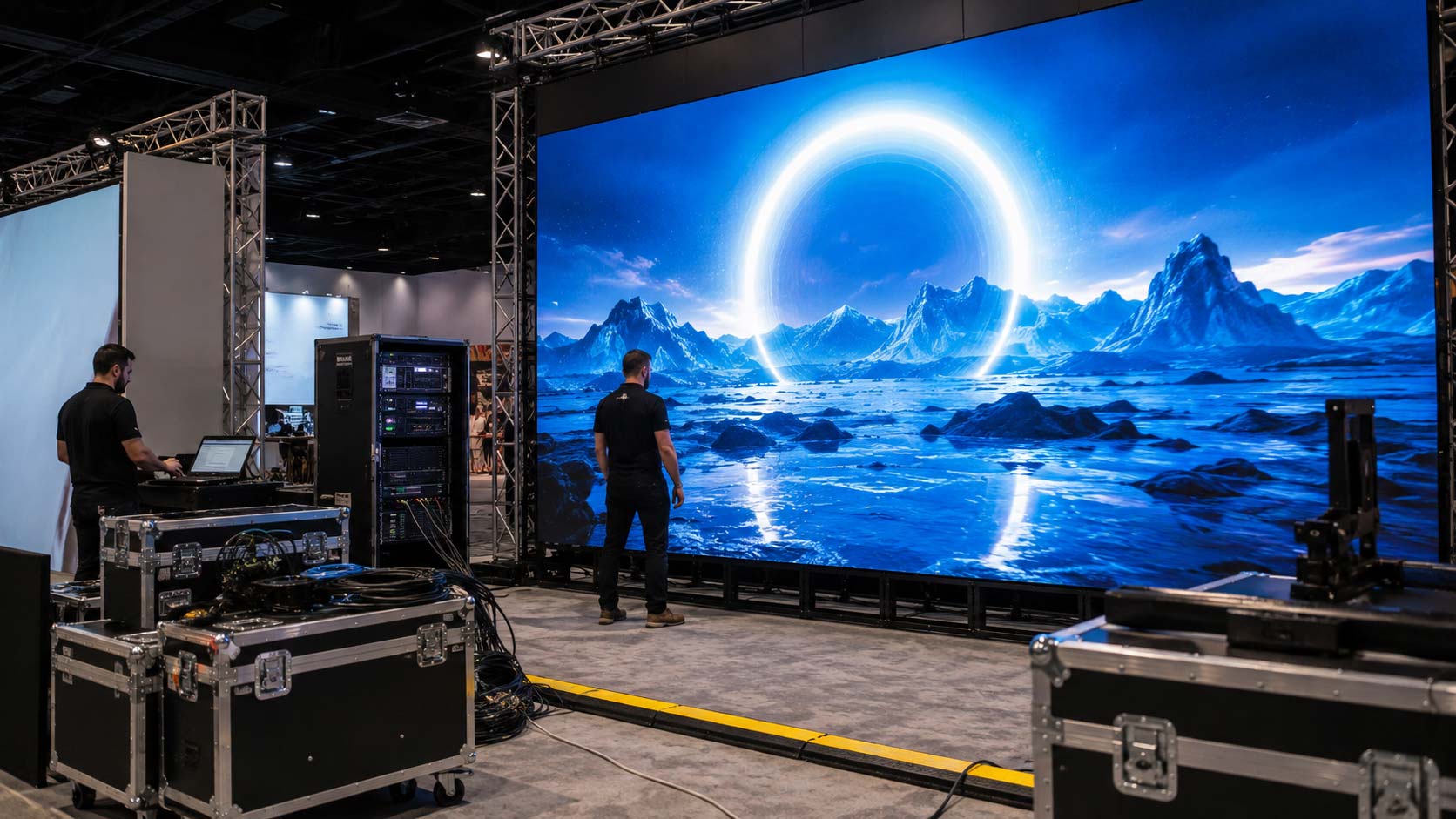
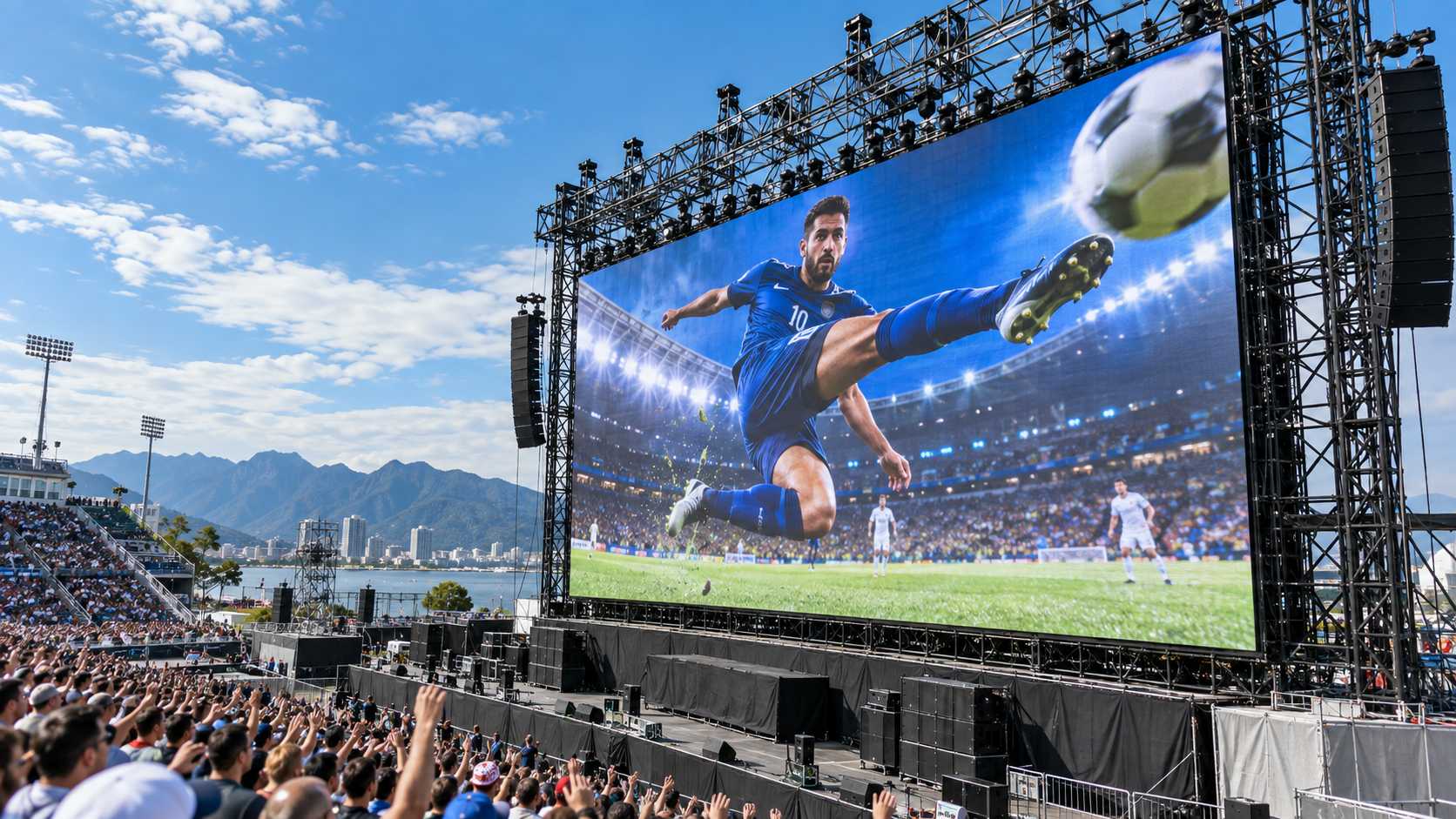
Rental-style cabinets are engineered around one requirement: constant movement without sacrificing reliability. Concerts, trade shows, corporate events, and temporary productions often require LED wall packages to be assembled, packed, transported, and rebuilt in a matter of hours.
To support that workload, rental hardware typically uses lightweight die-cast aluminum or magnesium frames, reinforced corners, and precision locking systems. These features help technicians align LED panels for trade shows quickly while reducing weight and physical strain during setup.
Fast data and power connections are equally important. Durable connectors designed for repeated use help LED screens withstand frequent setup cycles without introducing avoidable signal or power issues.
Permanent Installations Have Different Priorities
Permanent projects prioritize stability, clean integration, and easy maintenance. Churches, corporate lobbies, retail stores, schools, restaurants, and control rooms often use LED displays that remain in the same location for years.
These systems may include wall-mounting structures with fine adjustment points, quiet or fanless thermal management, and front- or rear-service access based on the available space. For LED display panels for churches in close-viewing environments, accurate cabinet alignment is especially important because even minor surface irregularities can become visible.
High-efficiency power supplies and serviceable internal components also matter in applications where LED walls may operate for long daily periods. The goal is not rapid relocation, but consistent performance with minimal disruption.
The Cost of Frequent Changes
A modular, plug-and-play system offers flexibility, but frequent handling creates mechanical wear. Moving, reshaping, and transporting LED video walls repeatedly places stress on cabinet frames, guide pins, connectors, latches, and support structures.
For rental fleets, durability directly affects return on investment. Cabinets must maintain precise alignment after hundreds or thousands of setup cycles so adjacent LED screens continue to form a clean, uniform image.
Internal electronics also benefit from added protection against vibration and temperature changes. Designs that simplify the replacement of power supplies, receiving cards, corners, or individual LED panels can reduce workshop time and prevent event-day problems.
The Cabinet Shape Can Change the Entire Installation
Service Access Should Be Planned Before the Wall Exists
In event production, setup time has a direct cost. Faster assembly means fewer labor hours, less venue time, and a lower risk of delays. Rental-focused LED displays often include quick-lock mechanisms, alignment pins, and modular hardware that allow crews to build large systems efficiently.
Flexible cabinet geometry can also support flat, concave, convex, or angled configurations. Depending on the application, LED display panels may be installed on floor-supported structures or suspended from certified rigging hardware, providing more freedom without changing the core cabinet system.
Fast module replacement is another practical advantage. If a section fails during rehearsal, technicians can often replace the affected component without dismantling a large portion of the LED wall, keeping downtime to a minimum.
Fast Assembly Matters in Temporary Productions
Temporary productions benefit from speed, flexibility, and repeatability. A rental system may serve as a keynote backdrop one day, a concert screen the next, and part of a trade show environment after that.
For this reason, rental LED walls are designed to adapt to changing dimensions, venues, and content workflows. The hardware should make it easy to reconfigure LED screens without adding unnecessary complexity every time the system moves.
Fixed Installations Can Prioritize a Cleaner Finish
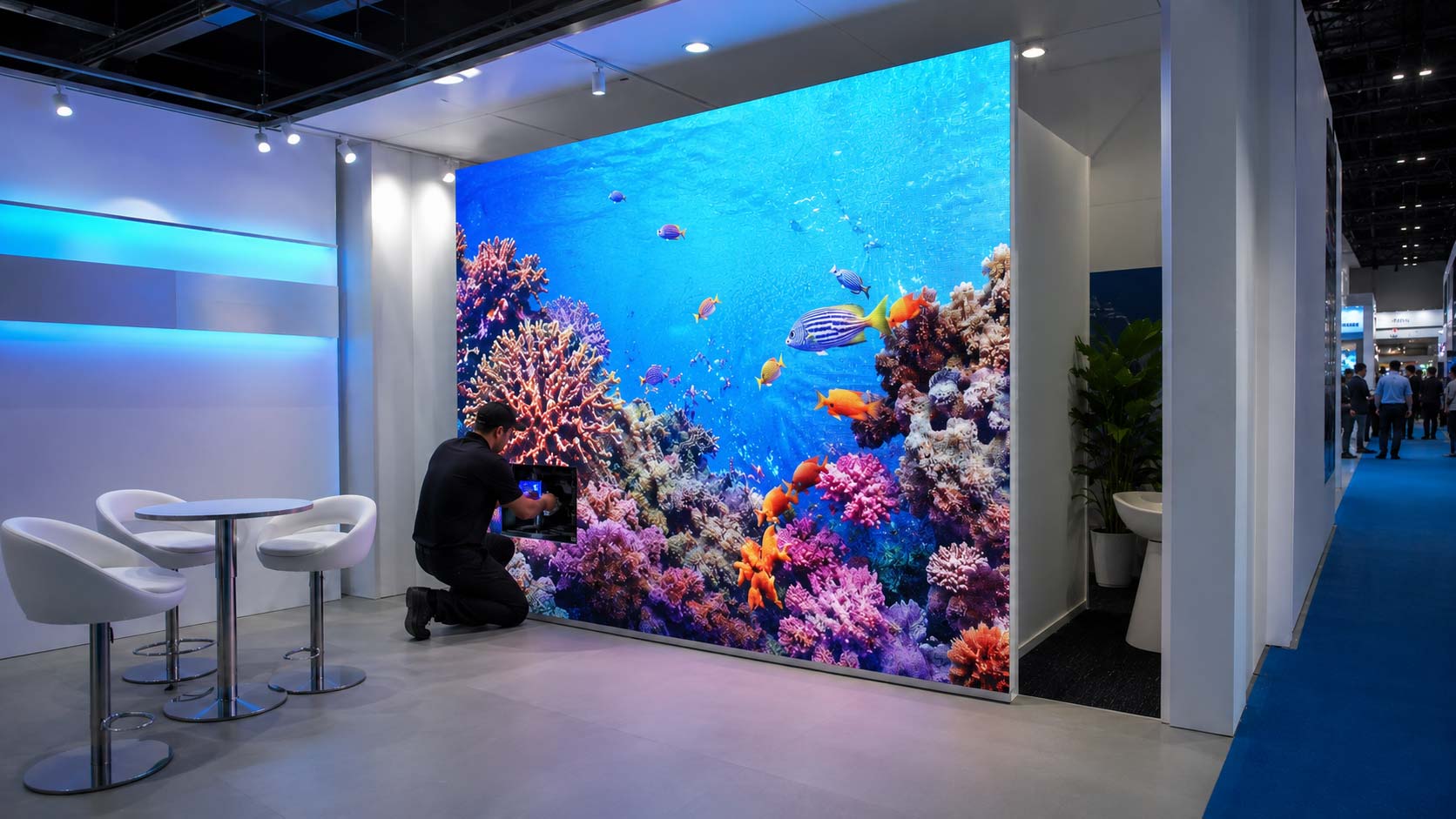
Permanent systems can prioritize visual integration over rapid assembly. In a lobby, auditorium, retail environment, or house of worship, the goal is often to make the supporting hardware disappear so the content becomes the visual focus.
Custom structures can recess LED displays into walls, align them with surrounding finishes, or integrate them into architectural features. Proper planning also helps LED video walls maintain a clean, continuous appearance with minimal visible seams.
Serviceability must be considered before construction is complete. Full front-service designs allow technicians to access receiving cards, power supplies, and other components from the viewing side when rear access is limited, avoiding major disassembly later.
Magnetic modules can also simplify maintenance. Individual LED display panels can be removed from the front with the proper service tool, allowing targeted repairs without disturbing the surrounding installation.
Think About the Workflow Behind the LED Wall
Rental Systems Often Need to Adapt Quickly
Rental systems must work with different signal sources from one event to the next. Cameras, laptops, switchers, media servers, and presentation systems may all become part of the signal chain.
That flexibility is especially important when LED screens move between productions with different technical requirements. Reliable processing and straightforward connectivity help crews adapt without rebuilding the entire workflow each time.
Fixed Installations Usually Benefit From Repeatable Workflows
Fixed LED walls usually operate with more predictable routines. A well-planned setup allows staff to manage LED panels daily without depending on a specialist for every content change.
Synchronous workflows are useful when LED displays need to reproduce a live computer, camera, or broadcast signal in real time. Asynchronous workflows are better suited to scheduled promotions, corporate messaging, or digital signage that can run independently through local or cloud-based control. In either case, the workflow should stay simple for the people using it, even when multiple LED devices are connected.
The Processor Is the Bridge Between Content and Display
The processor acts as the link between content and the physical display hardware. Video processors, sending cards, and control platforms receive, scale, process, and distribute signals across LED display panels.
Platforms such as NovaStar are commonly used to manage LED video walls and keep content synchronized across large visual surfaces. This LED technology helps ensure consistent signal delivery across complex layouts and resolutions
Which Cabinet Design Makes More Financial Sense?
Rental-style cabinets make financial sense when the same inventory is expected to serve multiple events, clients, and configurations. Their value comes from reuse, flexibility, and reduced setup time, allowing one equipment pool to support different LED walls without requiring new hardware for every production.
A permanent LED wall support system built around LED panels creates value differently. Its return comes from long-term stability, cleaner integration, easier maintenance, and predictable operation. For permanently installed LED screens, reducing service interruptions can matter more than saving a few minutes during installation.
The right choice depends on the type of flexibility the project actually needs. LED Market evaluates cabinet construction, service access, operating environment, and workflow before recommending LED solutions for rental or permanent use, helping buyers match the hardware to the way the system will actually operate.
Total cost of ownership should also include energy efficiency, serviceability, component reliability, and support. These factors can have a greater long-term impact than the initial cabinet price, especially for LED display panels expected to operate for years. Purchase price is only one part of the investment.
Strong after-sales support and warranty coverage for LED panels can further protect that investment. With the right hardware, planning, and service strategy, LED displays can deliver dependable performance in both temporary and permanent applications.
In conclusion, rental-style and fixed-installation cabinets are not different quality tiers. They are different engineering approaches for different operating realities, and choosing the right one starts with understanding how the LED video walls will be used, moved, serviced, and maintained over time.
Transform your storefront and drive more foot traffic. Get a custom quote for your LED display project today.