
P1.99 vs P2.97 LED Panels: Which Pixel Pitch Makes Sense for Indoor Projects?
Choosing between P1.99 and P2.97 is not about assuming that the smaller number is always better. The right choice depends on how the system will actually be used—especially viewing distance, content type, screen size, and budget.
A finer pitch can create a sharper close-range image, but that added resolution comes at a higher cost. The goal is to invest where viewers will notice the difference, not pay for detail the space does not require. This comparison explains when P1.99 LED panels are worth the upgrade and when P2.97 remains the more practical option for an indoor project.
Why Pixel Pitch Matters in Indoor LED Projects
The Real Difference Between P1.99 and P2.97
Pixel pitch is the distance, measured in millimeters, between the centers of two neighboring pixels. A lower number places more pixels into the same surface area, improving detail and reducing the visibility of individual diodes at close range.
The 0.98 mm gap can still create a noticeable visual difference. P1.99 LED display panels produce finer text, smoother edges, and more refined graphics when viewers stand near the image. P2.97 LED display panels use fewer pixels per square meter, yet still deliver professional clarity at a greater viewing distance.
Close Viewing Changes Everything
Indoor audiences often stand much closer to LED screen packages than they would to outdoor signage. That proximity makes pixel structure easier to notice, particularly in boardrooms, studios, showrooms, control rooms, and premium retail environments.
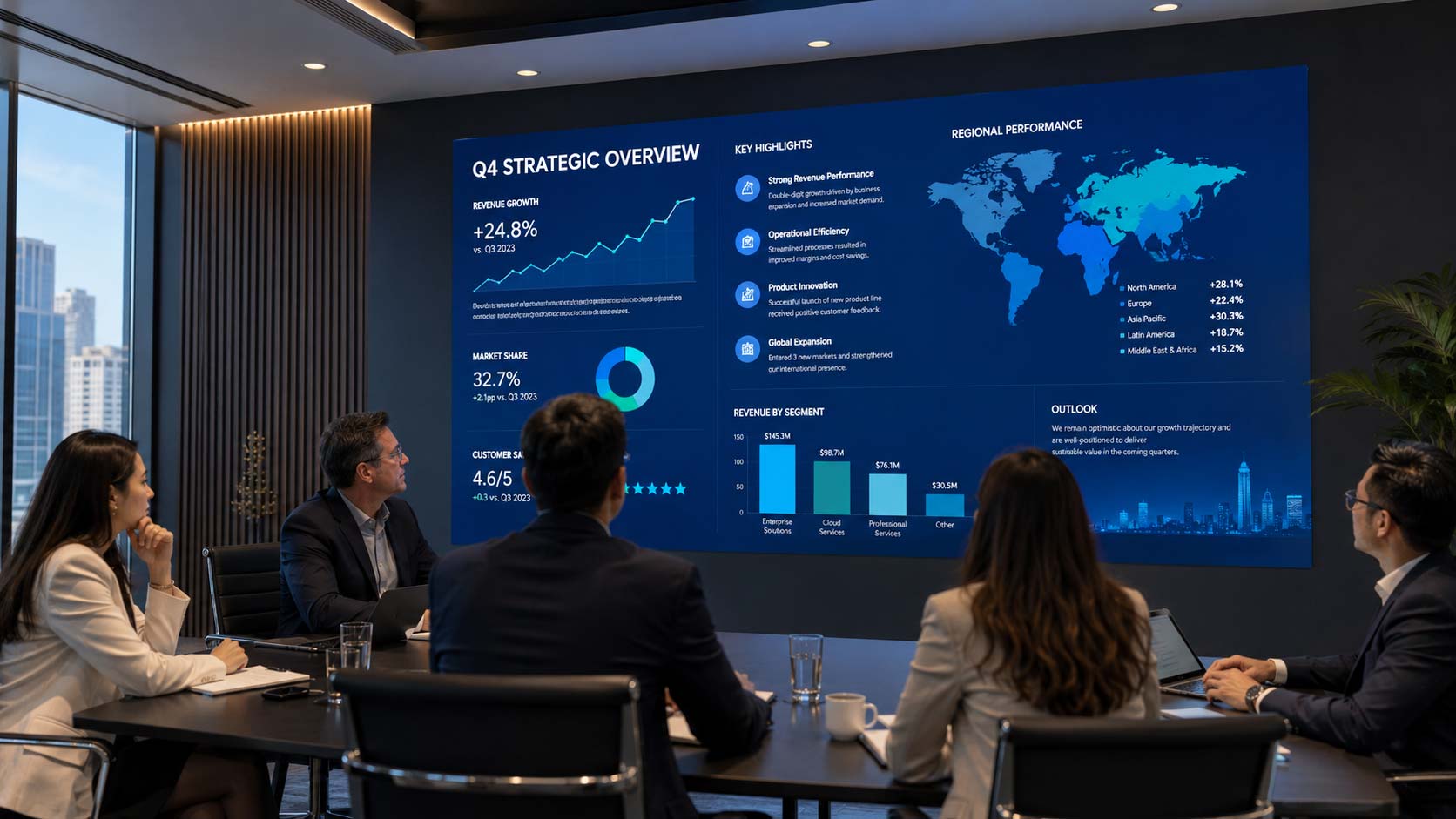
When viewers may be about 5 feet away, P1.99 can create a cleaner, more polished experience. That added precision matters most with demanding content, especially when Indoor LED video walls must present small text, detailed charts, fine logo elements, or high-resolution branded content without visible pixelation.
When P2.97 Still Makes Sense
Choosing P2.97 does not mean settling for an inferior product. It is often the smarter use of the budget when the audience will remain farther from the image, and ultra-fine detail will not be visible.
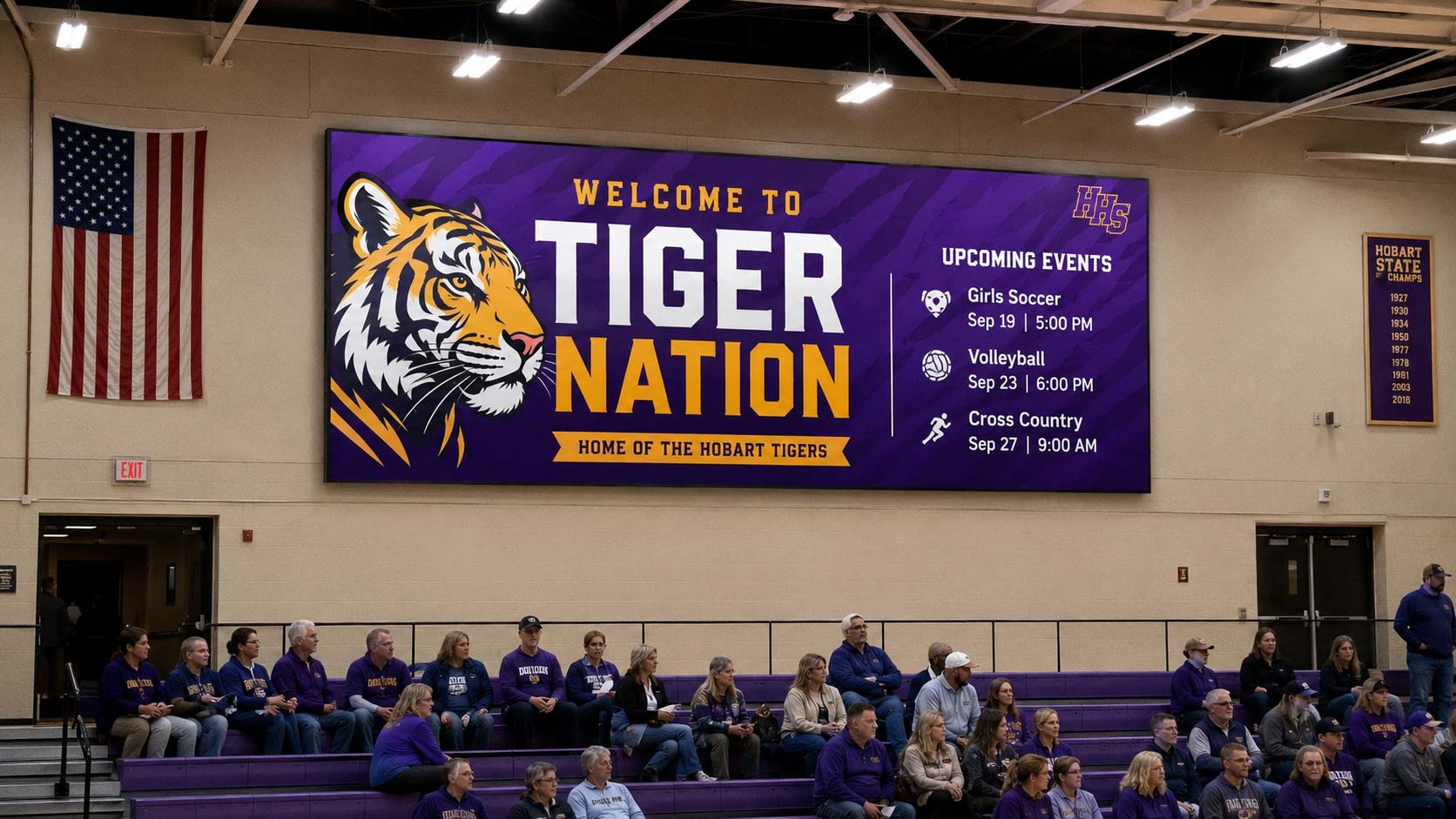
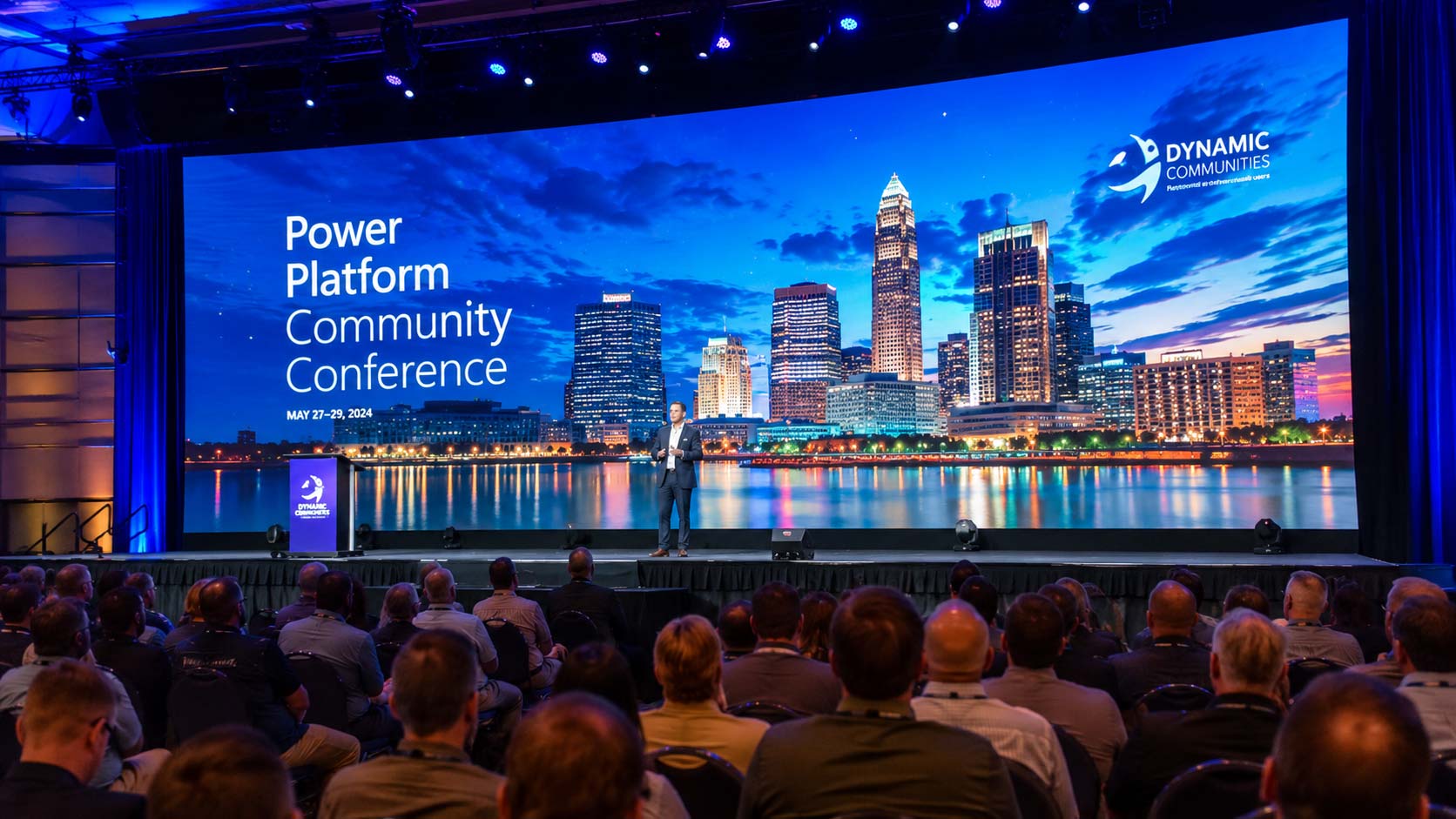
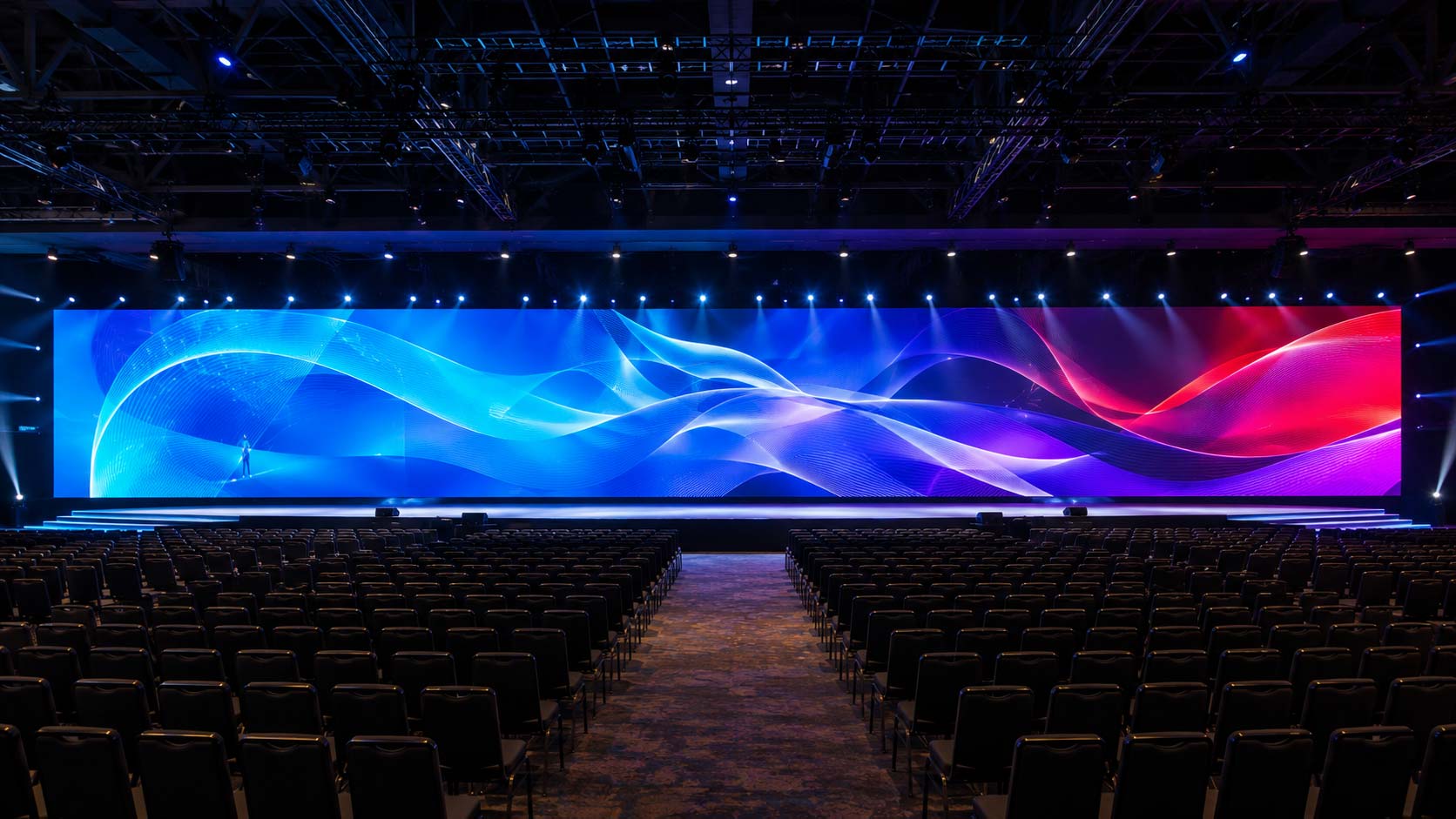
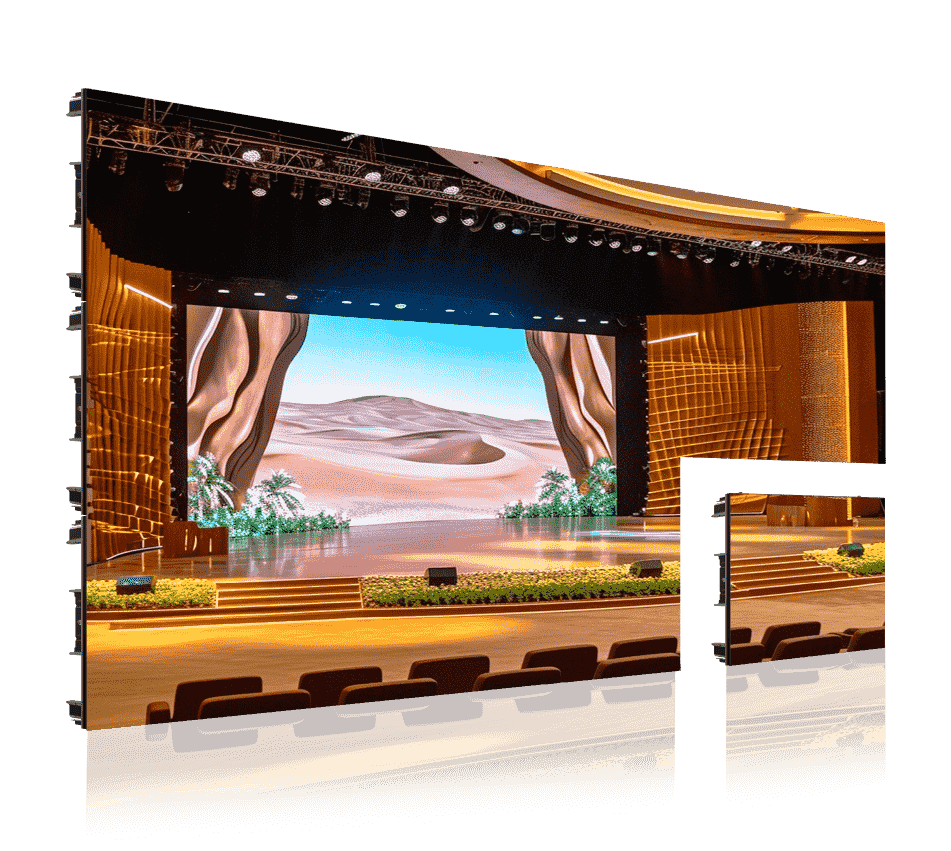
At a viewing distance of roughly 10 feet or more, P2.97 LED walls can look smooth, bright, and highly professional. The format is especially effective where scale matters more than close-up detail, including auditoriums, churches, stages, school gyms, conference venues, and indoor events.
P2.97 can also make it possible to build larger LED displays without overspending on resolution the audience cannot perceive. For video, live feeds, large logos, and motion graphics, the result can be just as impactful while preserving funds for mounting, processing, installation, or a larger visual surface.
How the Space Should Guide the Decision
Small Rooms and High-Detail Environments
In compact spaces, every millimeter matters. P1.99 is usually the stronger choice when people will interact with the content from only a few steps away or when the image must retain precision under close inspection.
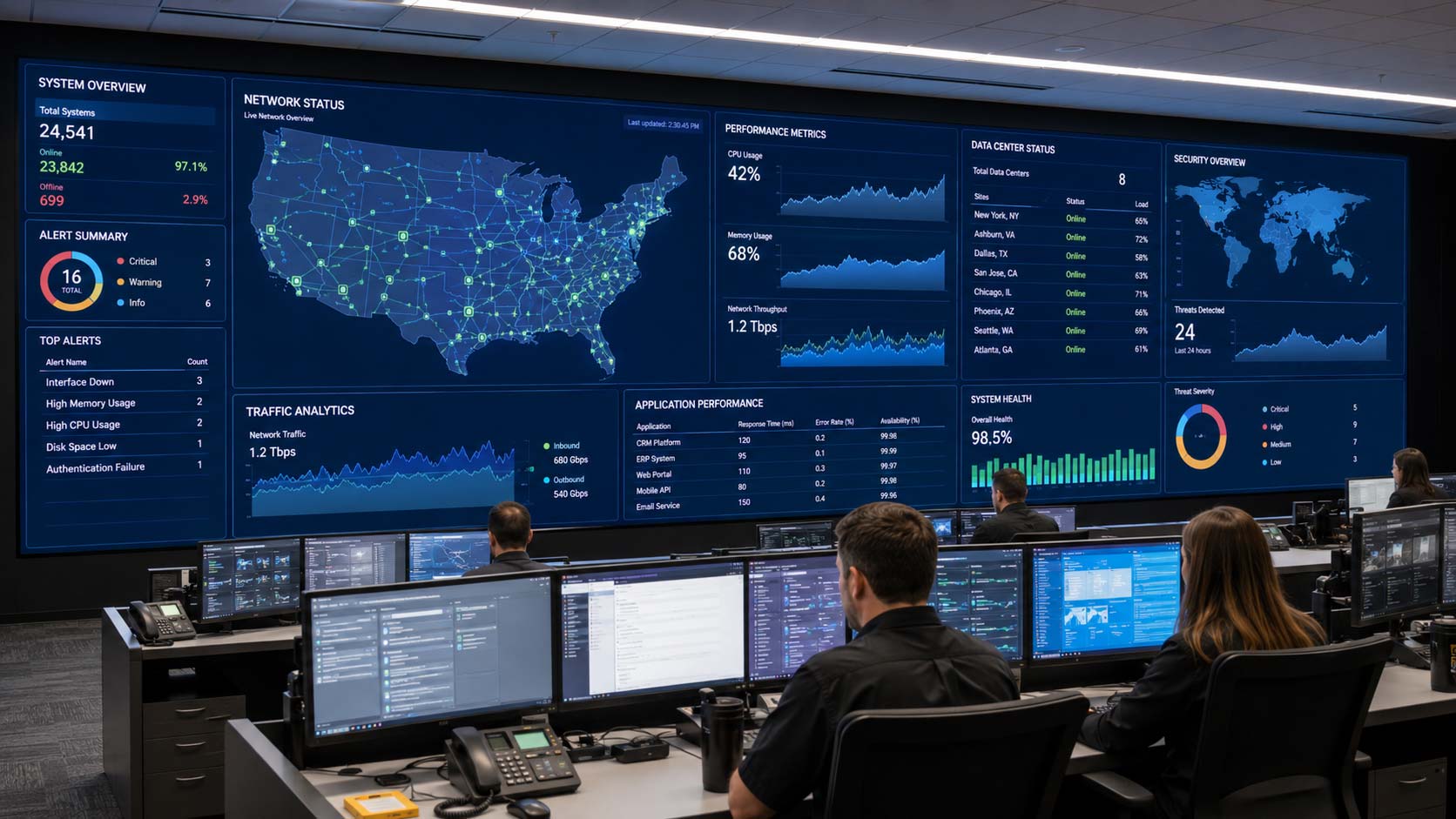
Executive boardrooms, monitoring centers, broadcast studios, luxury showrooms, and high-end retail installations often benefit from P1.99 LED screens. Detailed typography and thin graphic lines remain easier to read, while dashboards and product photography appear more refined.
Larger Indoor Venues and Bigger Screens
In auditoriums, worship spaces, convention centers, and school halls, the audience is typically farther from the LED walls. Once the viewing distance increases, the benefit of additional pixel density becomes less noticeable.
P2.97 LED video walls are often a better fit in these environments because they balance image quality, scale, and cost. From the appropriate distance, viewers see one cohesive image, allowing the project to cover more wall space without unnecessarily increasing the hardware budget.
Screen Size vs. Viewing Distance
Three variables should guide the decision: the closest viewing position, the overall image size, and the content being shown. These factors matter more than choosing a specification based on the number alone.
For viewing distances near 5 feet, P1.99 LED panels provide the finer structure needed for comfortable close-range viewing. Between approximately 5 and 10 feet, either option may work, depending on content and expectations. Beyond about 10 feet, P2.97 is usually sufficient for clear, professional results.
Content also changes the equation. Spreadsheets, detailed presentations, data dashboards, and intricate branding favor P1.99, while live video, sports, event graphics, and large-format animation often perform extremely well on P2.97 LED panels.
LED Screen Content Quality: What Will People Actually See?
Text, Logos, and Fine Details
Static content reveals pixel-pitch differences quickly. Small fonts and thin lines require greater precision because any softness, stair-stepping, or visible pixel structure can affect readability.
For interactive menus, financial data, technical presentations, and detailed brand graphics, P1.99 LED display panels offer a clear advantage. The higher density preserves sharper lettering and cleaner edges when the audience is close to the image.
Video, Motion, and Live Content
Motion is more forgiving than static detail because the eye follows the overall image rather than a single pixel. Color accuracy, refresh rate, processing, and motion handling become just as important as pitch.
For concerts, live streams, worship services, corporate events, and entertainment venues, P2.97 LED displays can produce smooth, engaging visuals when paired with a professional video processor. It performs particularly well with bold graphics, full-screen video, and large type.
Camera-Friendly Indoor Displays
Studios, streaming sets, press rooms, and recorded events introduce another requirement: the image must perform well both in person and on camera. Flicker, scan lines, moiré, and overexposure can undermine an otherwise strong installation.
P1.99 LED walls have an advantage when cameras operate close to the image because the finer grid is easier to conceal. However, both pitches require the right refresh rate, grayscale performance, brightness control, and camera settings. Pixel pitch alone cannot guarantee a camera-ready result.
LED Technology Assets: Budget, Value, and Long-Term Use
The Cost Difference Should Match the Purpose
Indoor P1.99 LED displays generally cost more per square foot because it contains more pixels and require greater manufacturing precision. That premium makes sense when close-range detail directly supports the customer experience, production quality, or brand image.
Indoor P2.97 LED screens can reduce the cost of larger installations while maintaining strong visual performance at the intended distance. The savings may deliver more value elsewhere, such as a larger display, a stronger mounting system, professional installation, spare parts, or advanced processing.
The most effective LED solutions are not necessarily the ones with the finest pitch. They are the ones that match the environment without wasting budget on specifications that provide no practical benefit.
Think Beyond the First Installation
When comparing LED devices, the purchase price is only one part of long-term value. Maintenance access, replacement parts, warranty coverage, and technical support all influence the system’s useful life and day-to-day reliability.
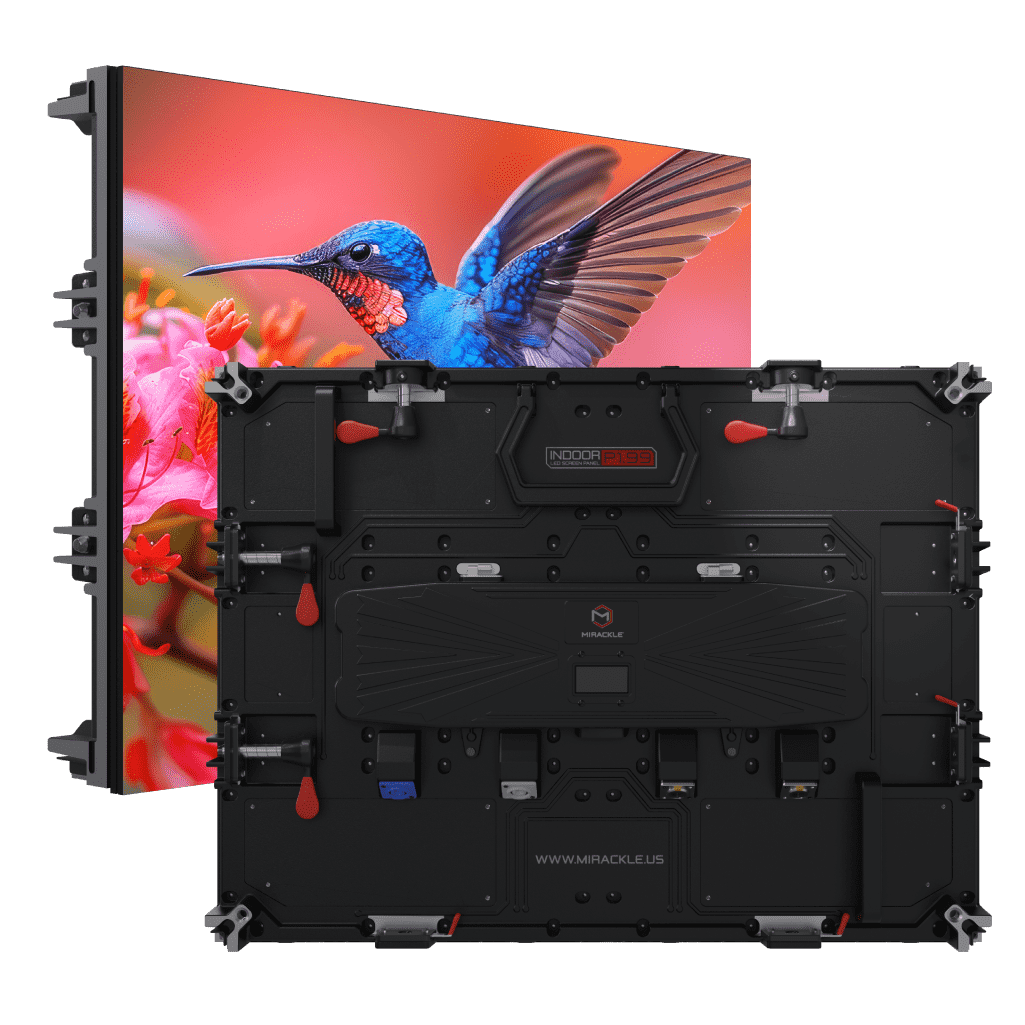
For commercial and institutional projects, front-service magnetic modules can simplify maintenance by allowing technicians to replace components without dismantling the entire structure. Reliable local support and same-batch spare modules also matter, helping preserve color consistency across LED display panels over time.
Well-designed LED devices should be evaluated as complete systems, not isolated cabinets. Processing, power, mounting, serviceability, and support must work together to protect the investment.
ROI Is Different for Every Indoor Project
Return on investment depends on the purpose of the installation. The same specification can create value in very different ways across retail, worship, corporate, education, and production environments.
In stores and shopping centers, LED video walls can attract attention, extend dwell time, and strengthen promotional campaigns. LED displays for churches can improve visibility for lyrics, scripture, announcements, and video content. In corporate settings, LED walls can reinforce branding and improve presentations or internal communication. Each environment defines value differently.
Studios may measure ROI through improved production quality and reduced post-production work, while schools and venues may value flexibility across events. The strongest return comes from matching the pitch to everyday use, rather than selecting LED technology based on specifications alone.
Choosing Between P1.99 and P2.97 Without Overcomplicating It
The final decision can be straightforward. Choose the pitch that supports the nearest viewer and the most demanding content while staying aligned with the project’s scale and budget.
LED Market can evaluate the space, viewing distance, content requirements, mounting conditions, and operational priorities before recommending a configuration. A project-specific recommendation helps avoid both underbuying and overspending, while ensuring that LED solutions deliver the right balance of clarity, reliability, and long-term value.
Choose P1.99 When Detail Is the Priority
P1.99 is the stronger option when close-range sharpness is central to the experience. It is especially appropriate for:
- Boardrooms and executive spaces where text, charts, and presentations must remain crisp.
- Broadcast and streaming studios where cameras operate near the image.
- Luxury retail and showrooms where fine visual detail supports a premium brand environment.
- Control rooms and monitoring centers that display dense data or multiple information sources.
In these settings, P1.99 LED screens help deliver the precision viewers and cameras expect. The added cost is justified when the finer structure remains visible and useful in daily operation.
Choose P2.97 When Scale and Efficiency Matter More
P2.97 is often the better choice when the audience is farther away, and the installation needs greater scale. It works particularly well for:
- Auditoriums, churches, and school gyms with front rows about 10 feet or more from the image.
- Corporate events and convention spaces that rely on live feeds, video, and large graphics.
- Stages and entertainment venues where impact matters more than fine text.
- Budget-conscious projects that can benefit more from a larger visual area than ultra-fine resolution.
For these applications, P2.97 LED video walls can deliver the size, brightness, and clarity the project needs without unnecessary expense. These LED displays support large-format impact without paying for invisible detail. The better investment is the system that fits the room, not simply the one with the smallest pixel pitch.
Before making a decision, contact LED Market for transparent guidance, professional support, and a solution tailored to your real budget, space, and business goals.