
Matching Commercial LED Wall Packages to Real-World Use
Two companies can install systems of nearly identical size and still need very different configurations. A corporate lobby may prioritize close-range image quality, a church may need strong visual impact without excessive brightness, a control center may require 24/7 reliability, and an outdoor stage must remain visible in direct sunlight while handling changing weather.
Choosing among commercial LED video walls is not simply a matter of screen size. The right package begins with how the space functions, who will view the content, and under what conditions. Once those factors are clear, it becomes easier to match LED technology, component quality, controls, mounting, and service access to the project.
Start With the Environment, Not the LED Screen
Indoor Spaces Have Their Own Priorities
Indoors, viewing distance and image precision drive many of the most important decisions. Meeting rooms and showrooms often benefit from finer pixel pitches because viewers stand close to the indoor LED screens. Auditoriums and houses of worship can usually use wider pitches because audiences are farther away, helping balance image quality and budget.
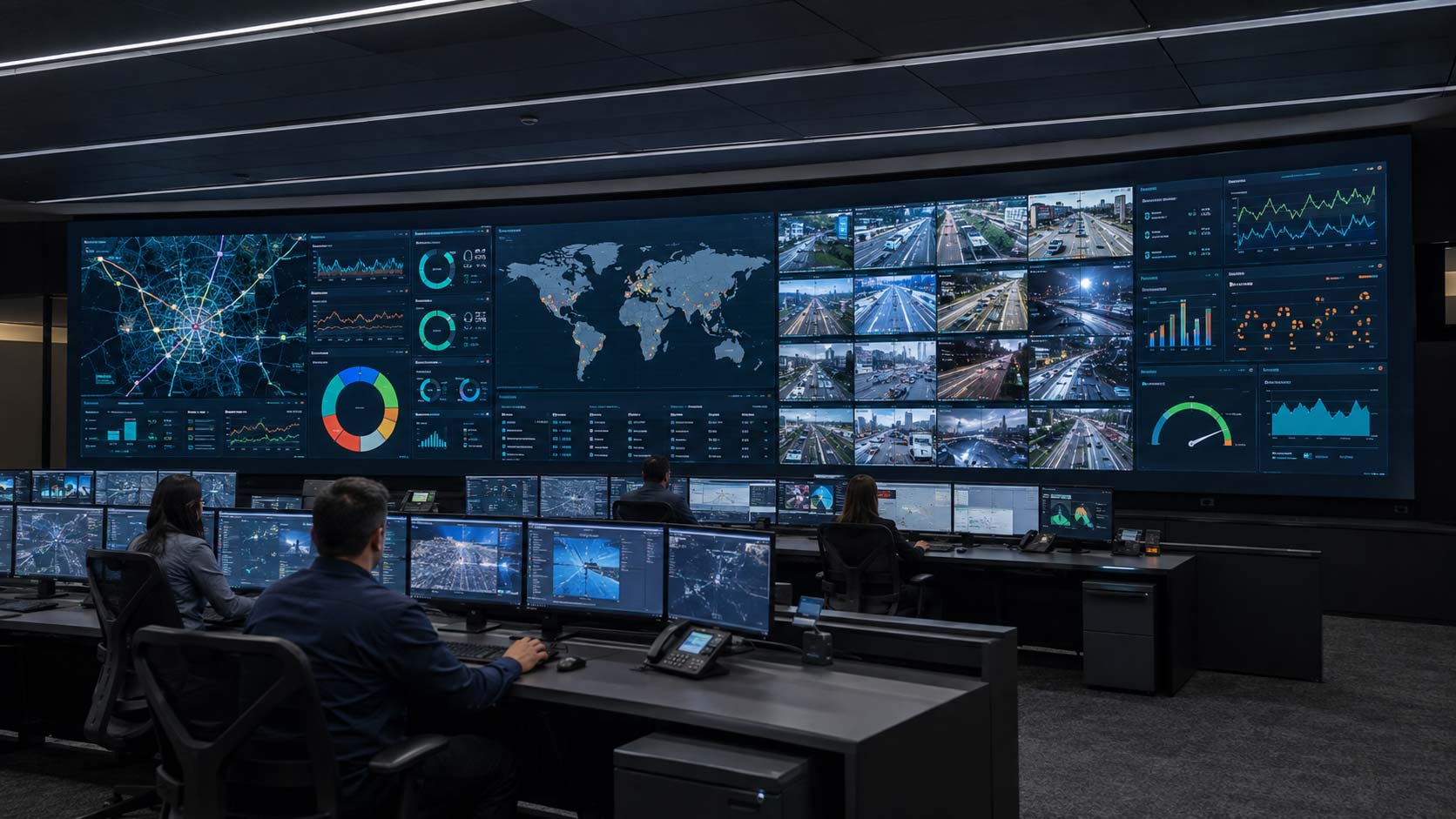
Ambient light matters as well. Corporate lobbies with large windows may require brighter LED displays, while control rooms often benefit from high contrast, controlled brightness, and anti-glare surfaces that keep detailed information readable during long operating hours.
Outdoor Displays Play by Different Rules
Outdoor LED walls must handle changing light and weather conditions. Weather protection and brightness become core requirements, with IP65-rated cabinets commonly used where equipment is exposed to rain, dust, and moisture.
Direct sunlight may require output in the 5,000- to 7,500-nit range, depending on the site and application. Automatic brightness control can improve visibility while reducing unnecessary power use, allowing LED display panels to adjust as daylight changes.
Permanent Installations vs. Changing Environments
Permanent systems typically prioritize clean architectural integration, concealed cabling, and practical service access. Wall-mounted LED panels used in lobbies, auditoriums, or boardrooms are usually designed to remain in place for years.
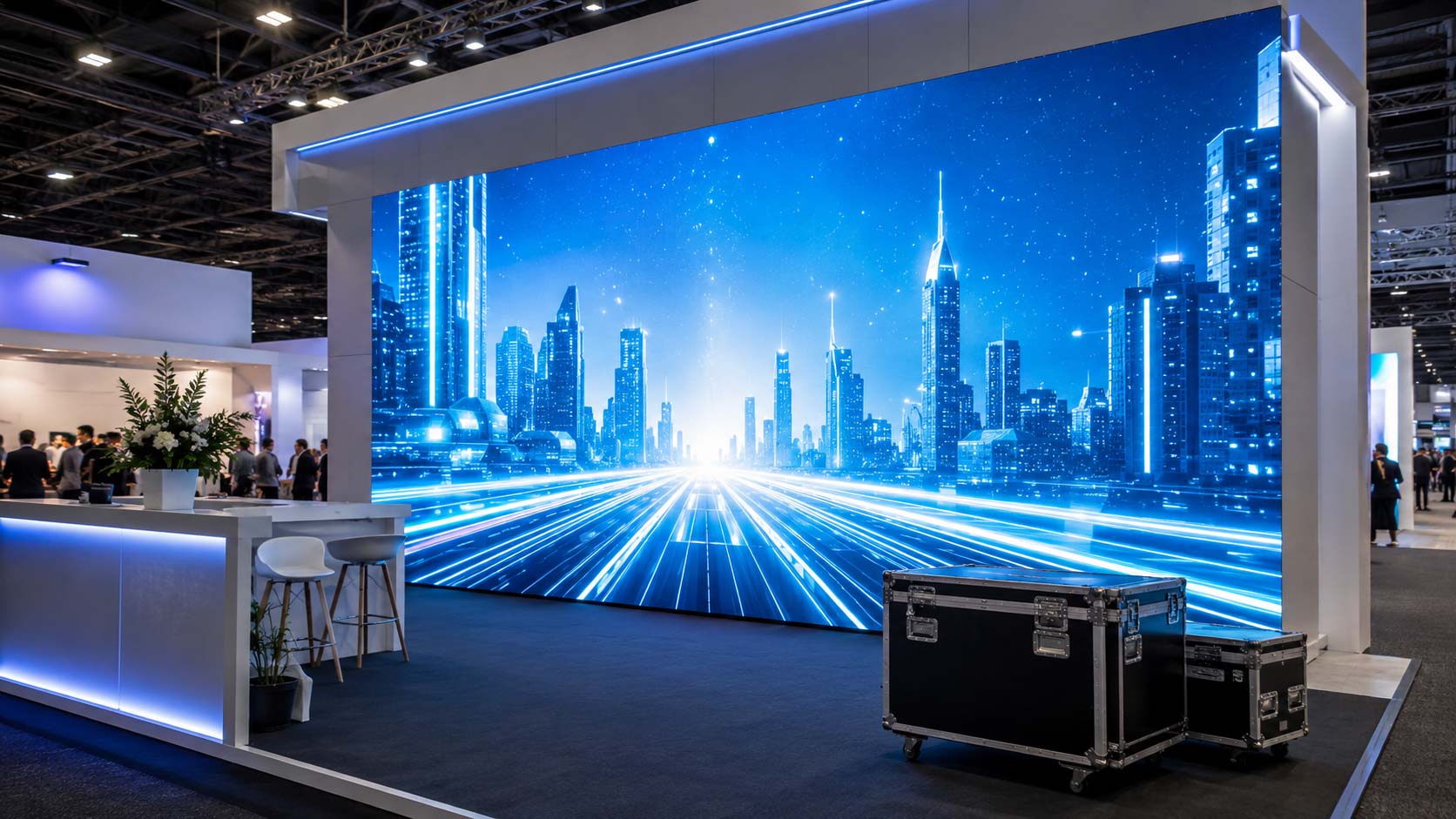
Events and flexible corporate spaces have different needs. Rental-grade LED video walls for trade shows benefit from lightweight die-cast cabinets, quick-lock hardware, and protective flight cases that support repeated setup, transport, and teardown.
Match the LED Display Package to What People Will Actually See
Detailed Content Needs a Different Approach
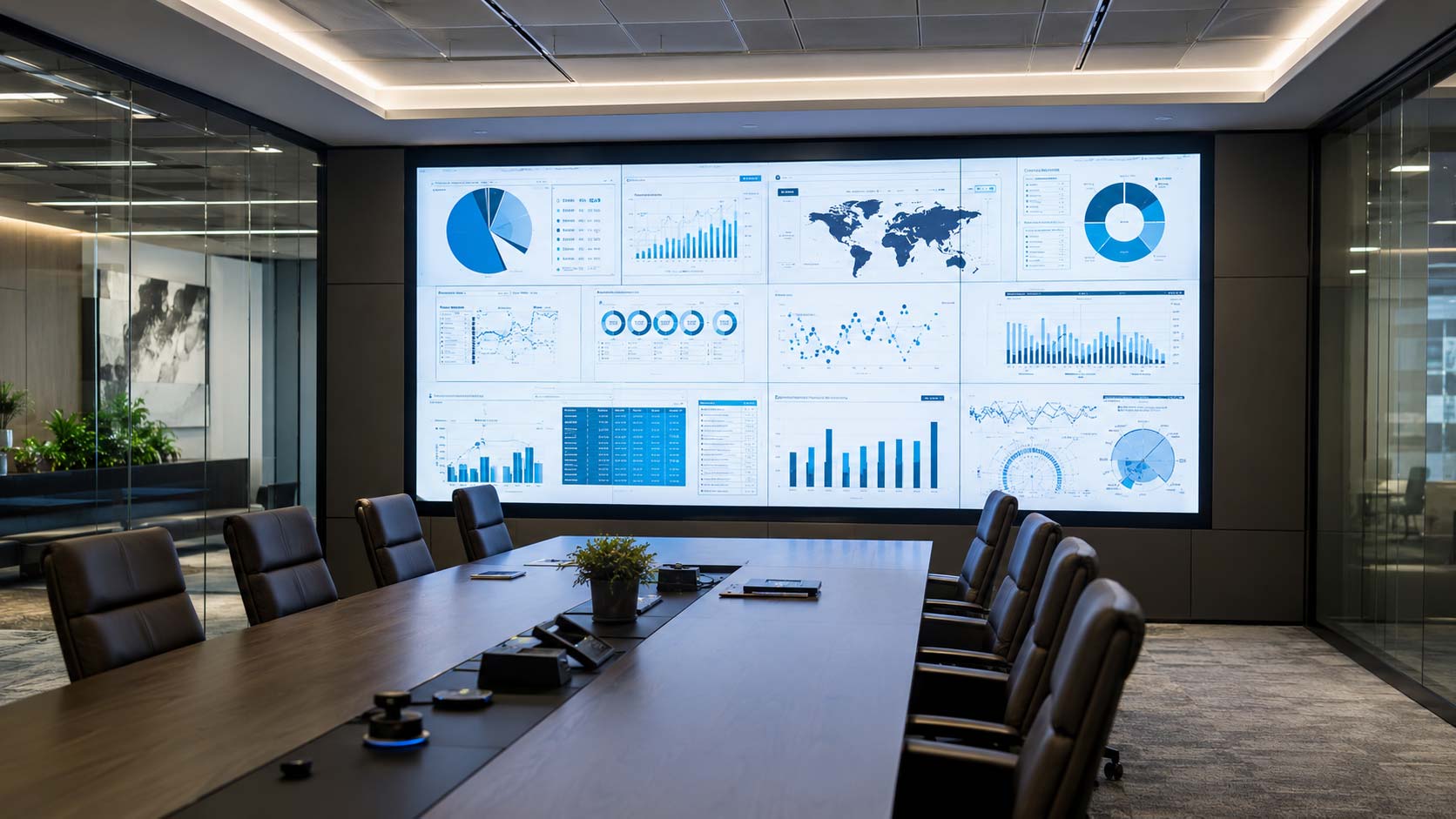
When LED screens show small text, spreadsheets, dashboards, or detailed graphics, legibility at the expected viewing distance is critical. The package should support:
- A suitable pixel pitch so text, icons, and fine lines remain clear.
- High-quality video processing to preserve detail and minimize scaling artifacts.
- Accurate signal mapping so computer-based content displays at the intended proportions.
Motion Changes the Equation
Sports, live production, broadcasts, and motion graphics place greater demands on LED displays. A high refresh rate helps produce cleaner camera capture and smoother motion, especially when the content will be filmed.
Low-latency processing also matters when live video and audio must stay synchronized. Strong grayscale performance at lower brightness levels helps preserve detail and contrast when full output is unnecessary.
One Display Can Serve More Than One Purpose
Commercial LED wall packages are rarely limited to a single use. A lobby installation might run brand content in the morning, show business information during the day, and support a live event later.
That flexibility depends on the control system behind the display. Well-planned LED display panels can support multiple inputs, live sources, scheduled playback, and integrations with audio or building control systems.
Multiple video inputs: HDMI, DisplayPort, SDI, and network connections make it easier to switch among laptops, cameras, media players, and servers.
Synchronous control systems: Real-time signal delivery is useful for presentations, events, videoconferencing, and streaming.
Asynchronous control systems: Stored and scheduled playback allows promotions or informational content to run without a dedicated computer.
Hardware management and integration software: Windowing, scheduling, monitoring, and system control can simplify daily operation for nontechnical users.
Think Beyond the LED Panels
The Control System Shapes the Experience
The control system is the operational core of the installation. Commercial LED panels depend on processors and receiving hardware to scale, map, and distribute content correctly across the full canvas.
Platforms such as NovaStar can receive a source, scale it to the required resolution, and distribute data to the cabinets. A complete package should also provide the connectivity needed for existing AV workflows, whether the source is a laptop, camera, media server, or control interface.
Live and Scheduled Content Require Different Workflows
Live content and scheduled content require different control approaches. Synchronous systems mirror a source in real time, making them well suited to presentations, live cameras, and events where low latency and audio synchronization matter.
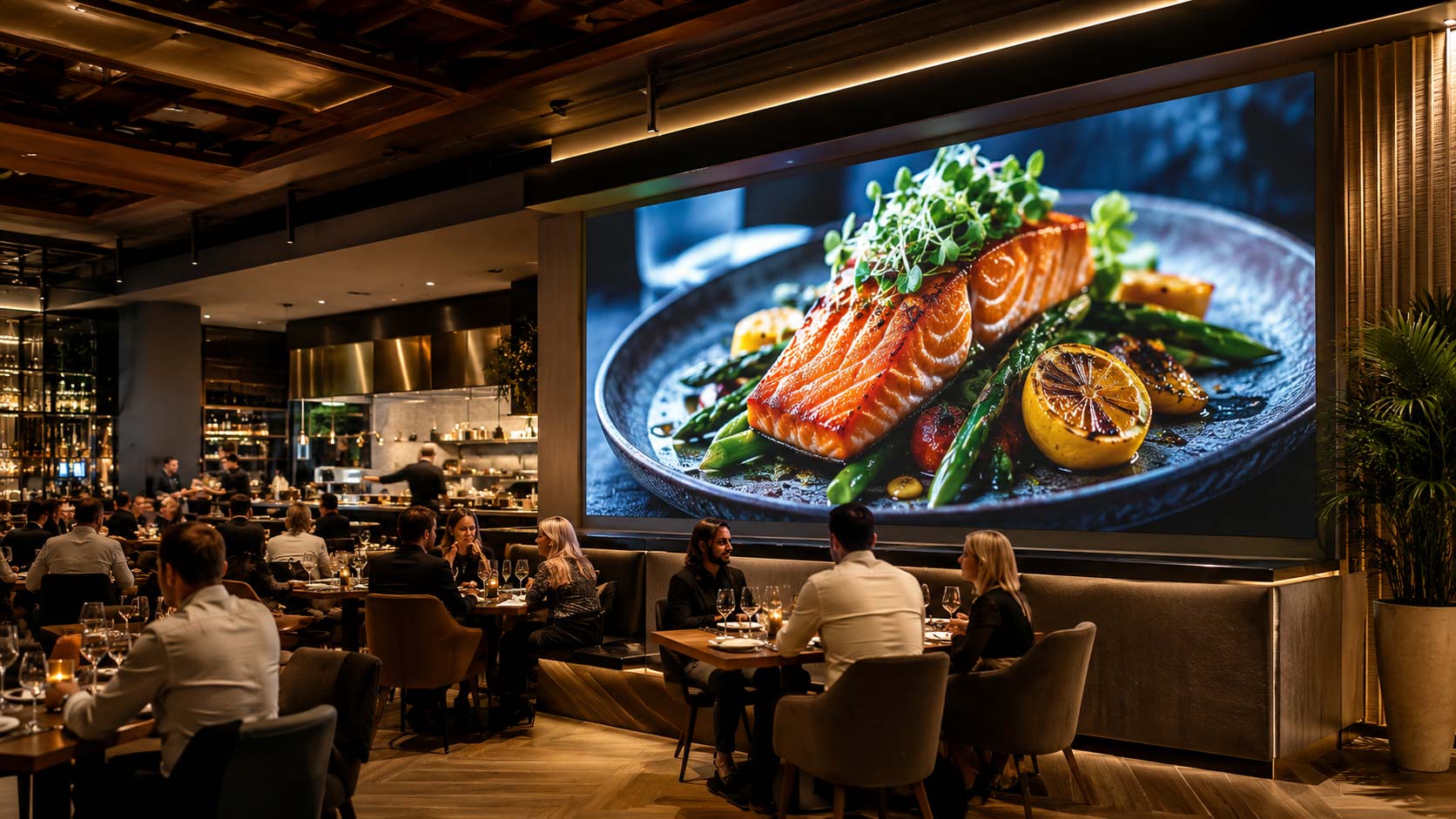
Asynchronous systems store playlists locally and operate independently. That makes them practical for LED video walls in restaurants, retail spaces, and lobbies that run scheduled messaging throughout the day. Many commercial installations benefit from supporting both workflows.
Easy Content Management Matters After Installation
Once the installation is complete, the system often moves into the hands of marketing, IT, reception staff, or volunteers rather than a dedicated AV technician. Ease of use therefore matters as much as technical capability.
Content updates, source switching, scheduling, and power controls should be straightforward. Remote management, intuitive software, and mobile access can make LED walls simpler and less expensive to operate over time.
Make your brand impossible to ignore. Outfit your business with high-definition, high-impact LED displays.

Installation Choices Affect the Life of the LED Wall
The Building Often Determines the Best Mounting Method
The building and the intended use of the space determine the safest and most practical LED display support system. Wall mounting is common in lobbies, auditoriums, and meeting rooms, provided the structure can support the cabinets and frame.
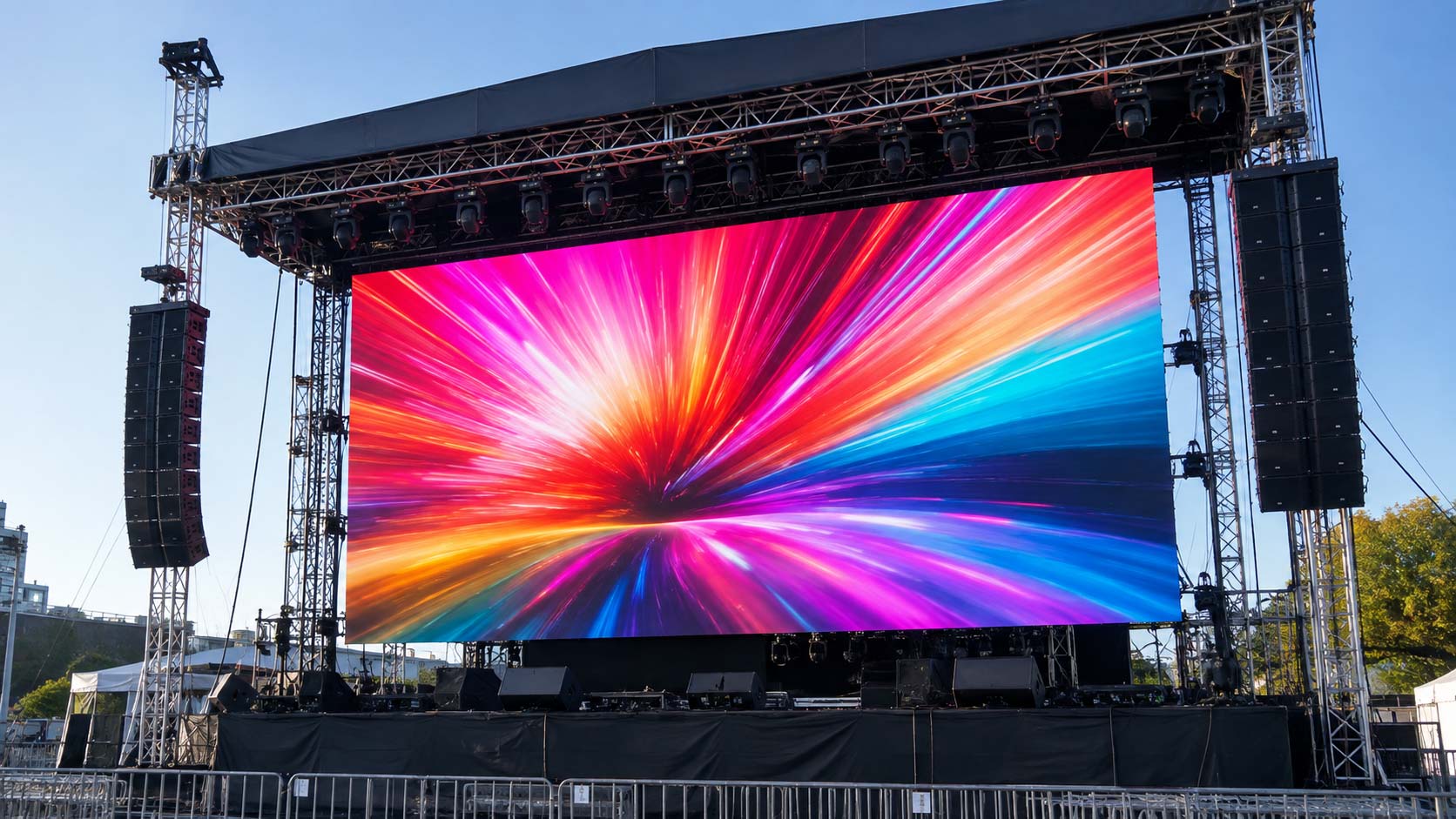
Floor-supported systems work well when walls are unsuitable or when a self-supporting installation is preferred. Truss-mounted LED screens are common on stages and in event venues because they preserve floor space and allow flexible positioning.
Maintenance Should Be Planned Before Something Fails
Service access should be considered before the system is installed. In recessed or wall-mounted applications with no rear access, front-service designs allow technicians to reach modules, power supplies, and receiving cards without dismantling the structure.
Magnetically secured modules can also speed maintenance by allowing individual components to be removed from the front with the appropriate service tool. For frequently used LED displays, faster access can reduce downtime and labor costs.
Durability Is Part of the Operating Cost
Cabinet protection affects both lifespan and long-term operating costs. The correct IP rating should match the actual environment rather than being treated as a generic specification.
For example, indoor LED display panels may use lower protection ratings where exposure is limited, while outdoor systems often require IP65-rated enclosures for stronger resistance to dust and water. Matching protection to the site helps prevent premature component wear and avoidable repairs.
The Right Package Should Keep Making Sense Years Later
A commercial system should be treated as long-term visual infrastructure, not simply a one-time equipment purchase. Well-selected systems can continue supporting new departments, content formats, and business needs without requiring a complete replacement.
The strongest return usually comes from consistent use and operational flexibility. One installation can support marketing campaigns, sales presentations, training, dashboards, events, and internal communications as needs evolve.
A unified system can also reduce the complexity of maintaining multiple projectors or smaller LED devices. Centralized content management and reusable digital assets make updates faster while helping control long-term costs.
Ready to take your brand to the next level? We design websites that don’t just look great—they convert.