
LED Video Wall Packages vs. Custom LED Displays: What Should You Buy?
Buying the right system starts with understanding the project—not the product catalog. Most buyers know the experience they want to create, but they are less certain whether a pre-configured package or a custom-built system will deliver it most efficiently.
A common assumption is that customization is always better, while standard packages are rigid or limited. In practice, both options can be the right investment. LED video walls sold as complete packages work well for straightforward applications, while custom LED displays are better suited to unusual spaces, demanding integrations, or highly specific visual goals.
The decision should reflect six factors: intended use, project size, budget, installation timeline, environmental conditions, and the level of hardware control required. A clear comparison helps prevent overspending, delays, and avoidable technical compromises.
The goal is a confident, practical decision. Below, LED Market explains where each option performs best.

Why Buyers Compare LED Packages and Custom Displays
The Appeal of a Ready-to-Go Solution
For many buyers, simplicity is the strongest advantage. Pre-configured packages combine a defined screen size, compatible hardware, mounting components, processing equipment, cabling, and a clear price. Instead of sourcing individual LED panels and checking compatibility, the buyer receives a system designed to work together.
This approach is especially useful when the installation has standard dimensions and a firm deadline. Less engineering work means faster planning, easier purchasing, and fewer opportunities for costly mistakes.
The Value of Building Around the Space
Custom LED display packages begin with the environment rather than a fixed product configuration. The design is shaped around the wall dimensions, viewing distance, ambient light, content, service access, and operating requirements.
This precision avoids both overengineering and compromise. The project team can select the appropriate pixel pitch, brightness, resolution, refresh rate, and control system while helping custom LED display panels fit the architecture naturally.
The Wrong Choice Usually Starts With the Wrong Question
The most common mistake is asking, “How much does the screen cost?” before defining what it must accomplish. Price matters, but purpose determines value.
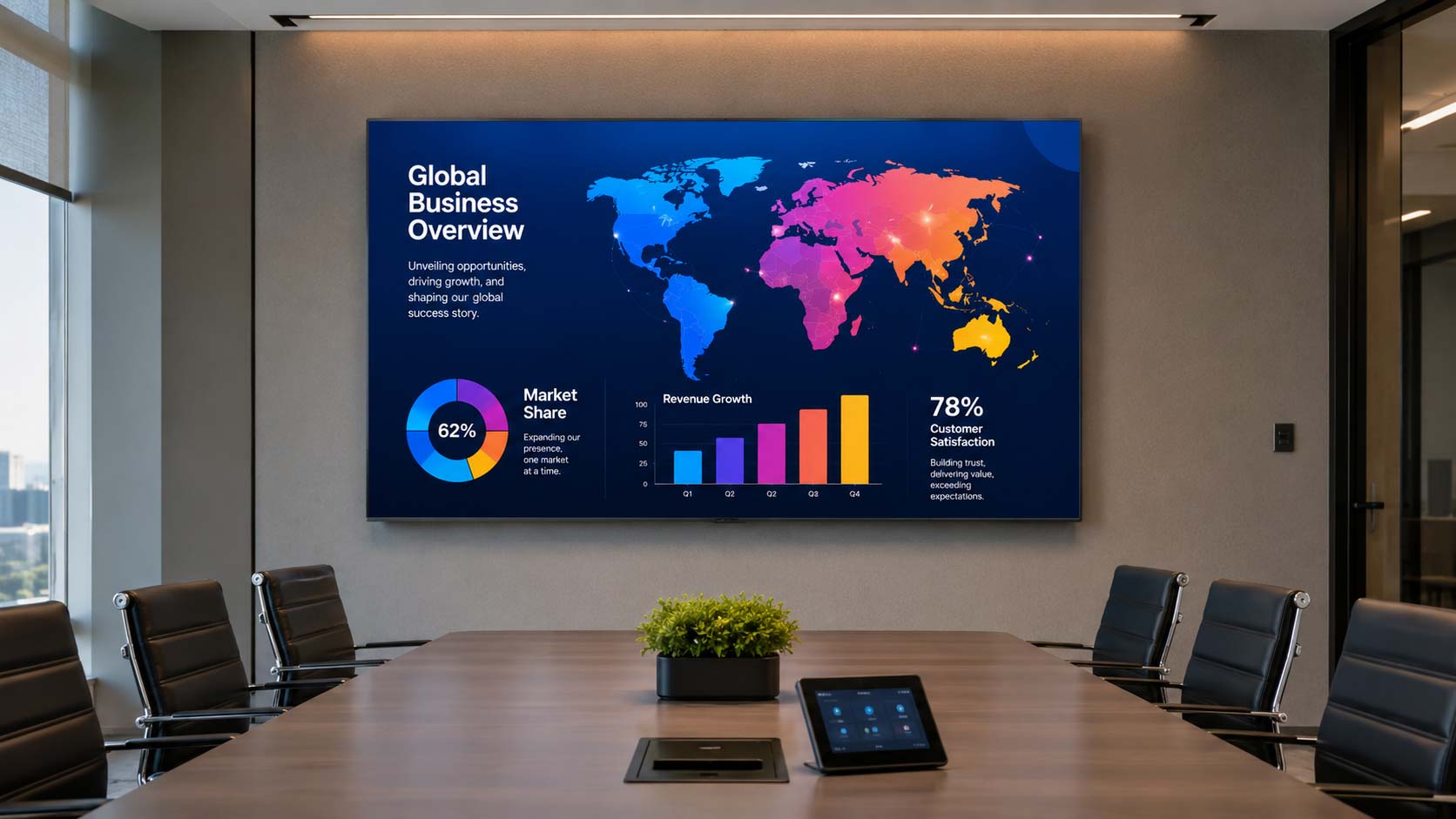
A church may prioritize simple controls and camera-friendly performance. A retail showroom may need close-range clarity and seamless architectural integration. Event teams often value portability and rapid setup, while corporate offices may require multiple inputs, videoconferencing compatibility, and balanced brightness.
When an LED Display Package Makes More Sense
Projects With Clear, Common Use Cases
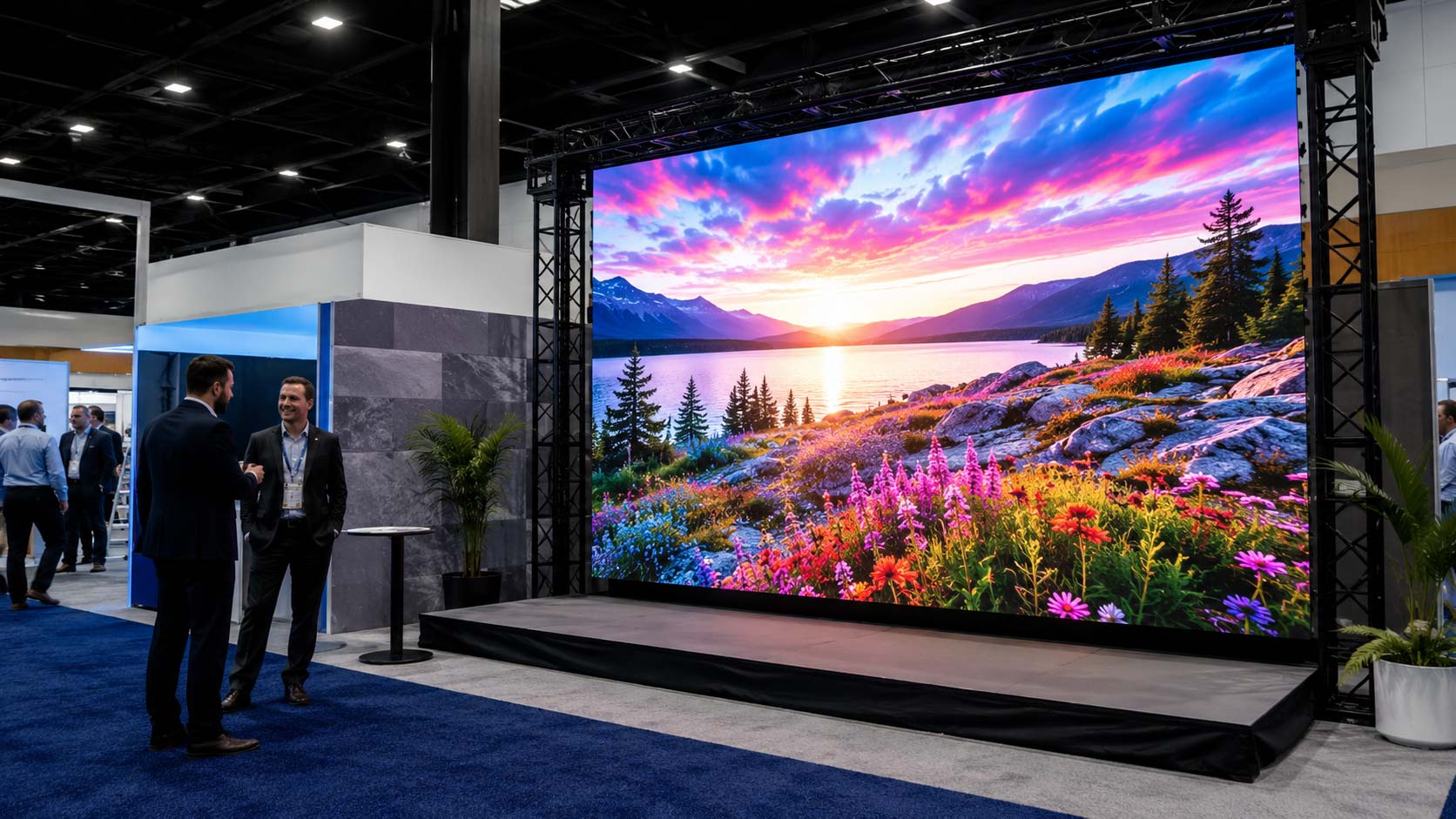
A package is often the best choice for presentations, worship content, trade shows, sporting events, branded interiors, and other familiar applications. There is little benefit in engineering a completely new system when a proven configuration already meets the need.
Every major component is coordinated before shipment. LED screens sold in complete packages typically include LED panels, the mounting structure, processor, controller, cabling, spare parts, and essential accessories. Well-designed LED walls reduce technical uncertainty during setup.
Faster Planning and Easier Budgeting
Predictable pricing makes internal approval easier. Buyers can compare screen size, pixel pitch, native resolution, brightness, warranty coverage, and included hardware without managing several separate quotes.
That shorter path can be decisive when a deadline is approaching. Packages reduce the design and consultation stages, allowing pre-configured LED walls to move more quickly from selection to shipping and installation.
A Practical Option for First-Time Buyers
Technical specifications such as receiver cards, power distribution, refresh rate, and processing can be intimidating. A complete package gives first-time buyers a safer entry point because the major technical decisions have already been coordinated.
The final check is application fit. The package must still match the viewing distance, content, and lighting conditions. With proper guidance, LED video walls in standard configurations can deliver strong performance without unnecessary complexity.
When a Custom LED Screen Is the Smarter Choice
Spaces That Do Not Fit Standard Sizes
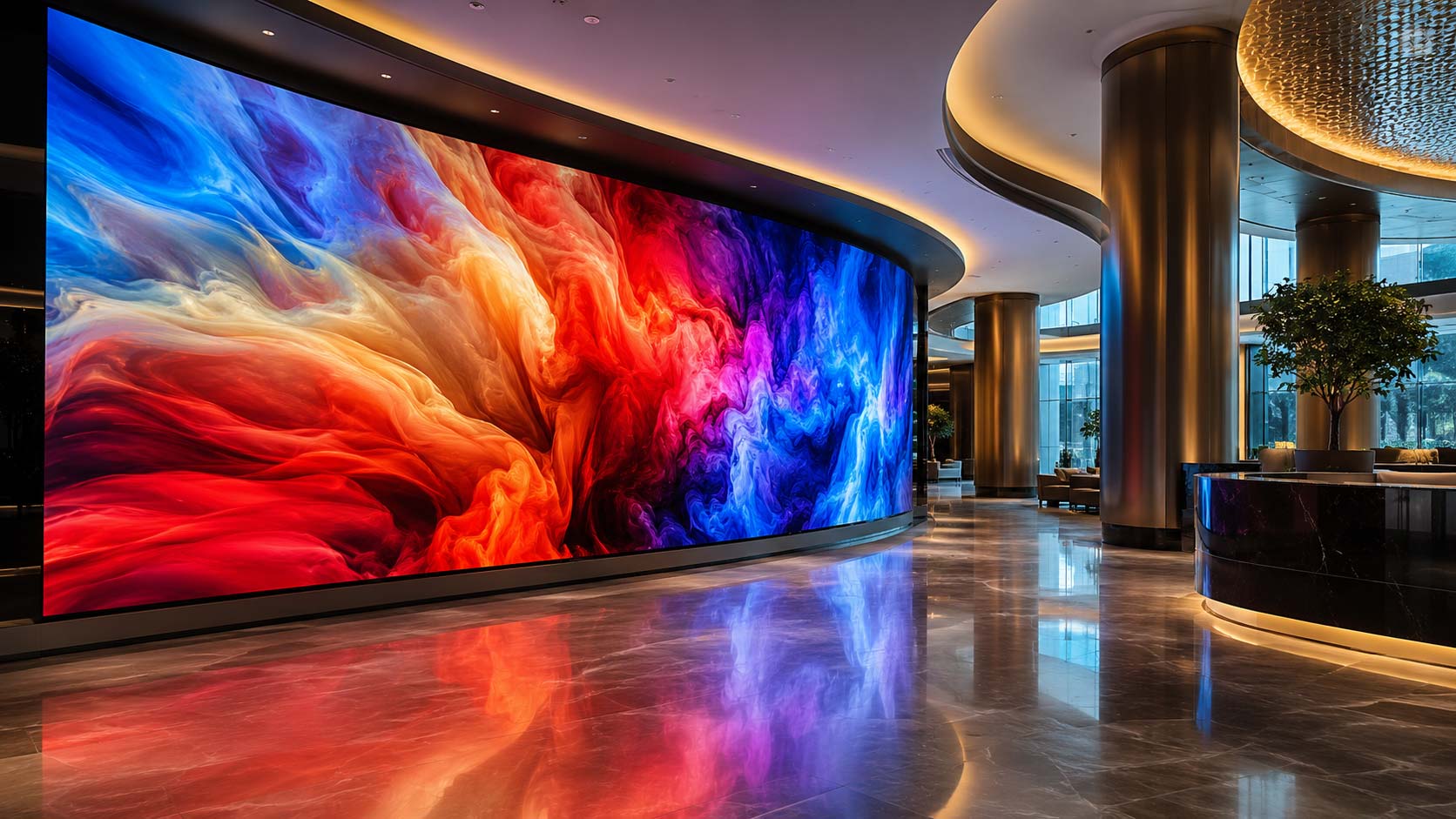
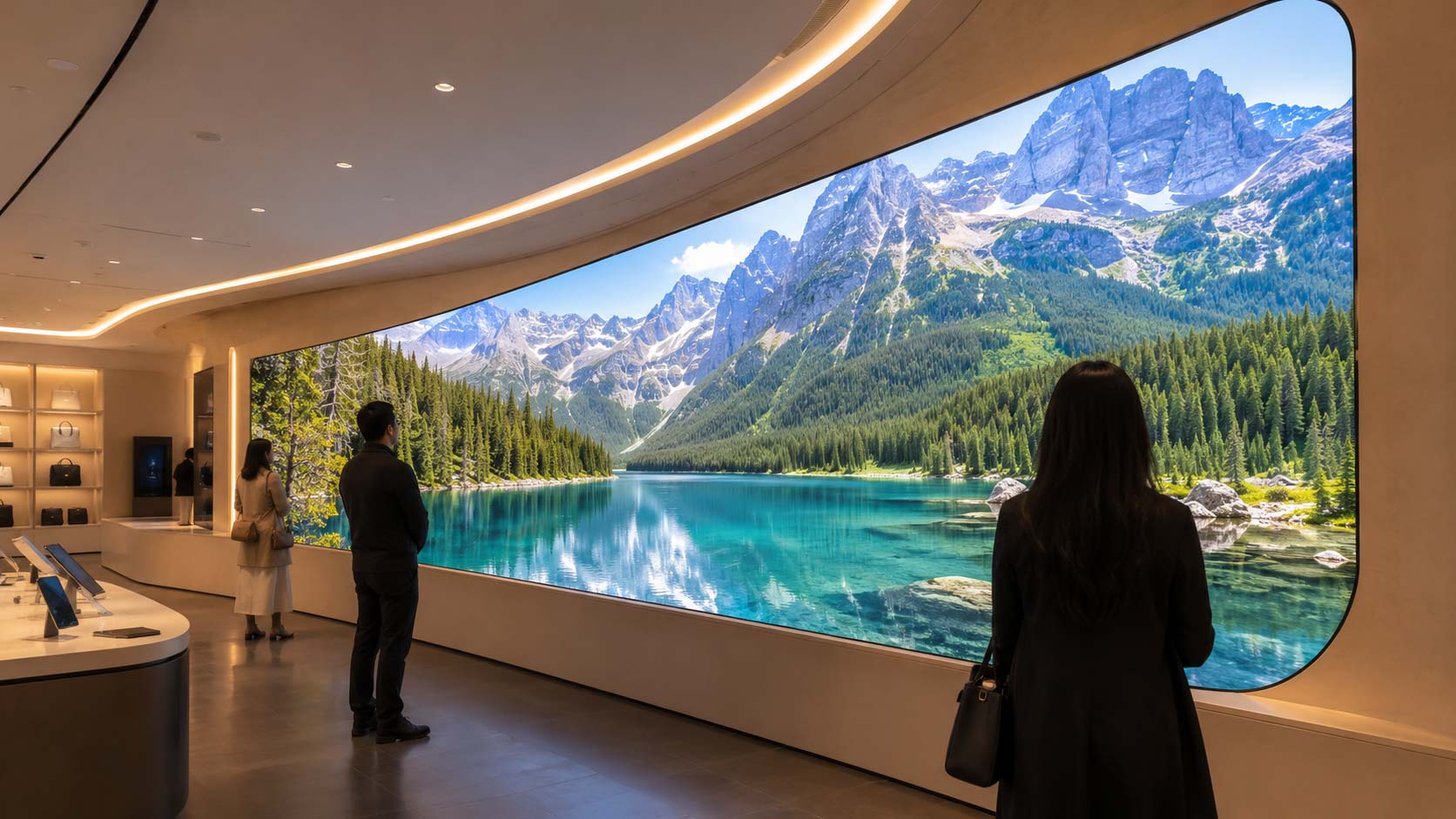
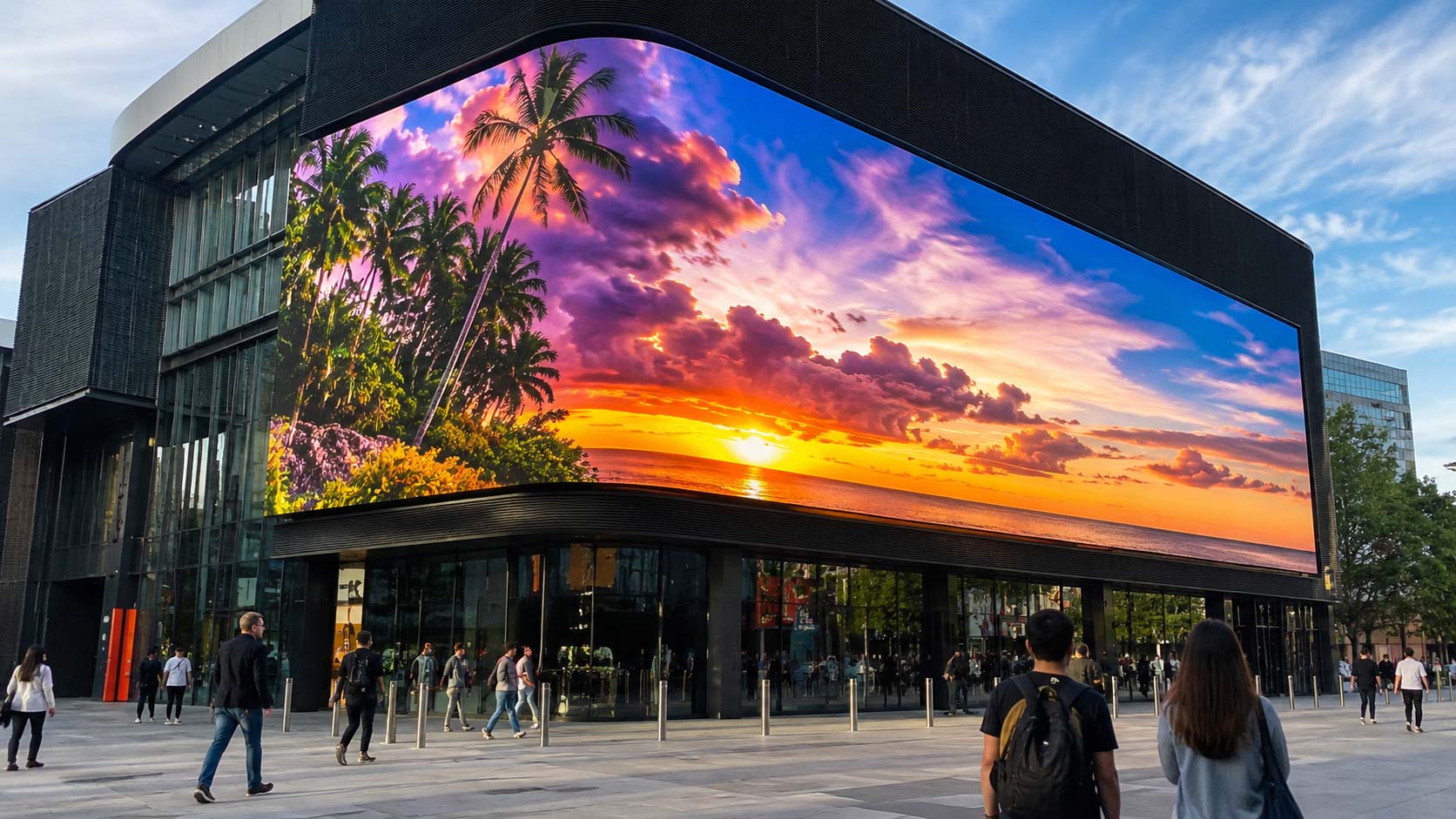
Some installations cannot accommodate a conventional rectangle or 16:9 aspect ratio. Panoramic walls, corners, curved stages, exterior facades, columns, narrow lobbies, and architectural niches often require custom engineering.
In these spaces, the technology should follow the architecture. Custom LED screens can be sized and configured around unusual dimensions, helping the finished installation look intentional rather than forced.
When Visual Precision Matters More
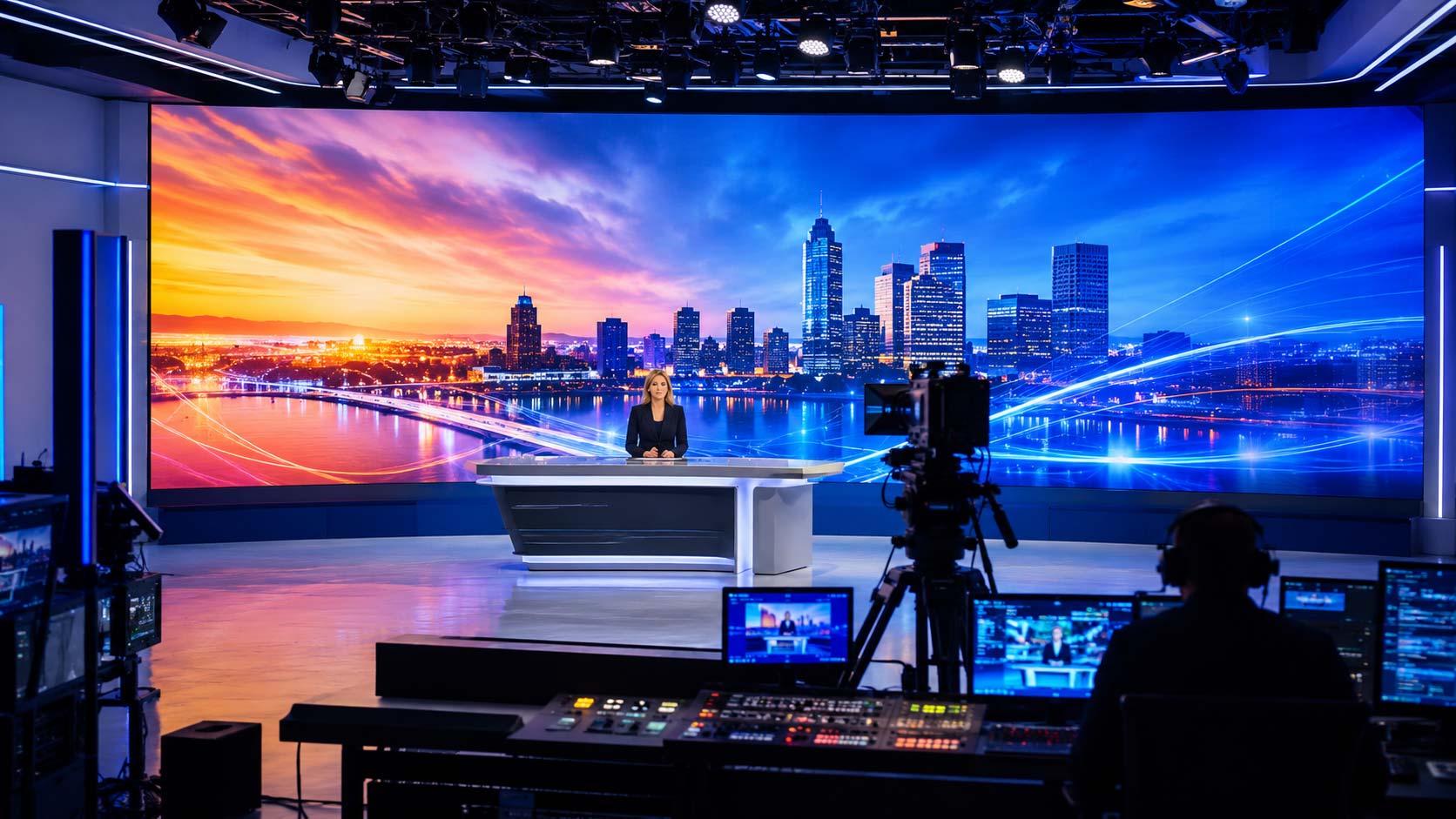
Close viewing distances, detailed graphics, small text, premium branding, and on-camera production all place greater demands on image quality. Small technical differences become much more visible in these environments.
A custom specification can refine every critical image parameter, including pixel pitch, native resolution, refresh rate, brightness, color performance, and viewing angle. This is particularly important when LED display panels must remain crisp in person and stable on cameras or smartphones.
When Integration Is Part of the Project
A display may need to connect with digital signage platforms, media servers, CCTV systems, professional audio, live production equipment, control rooms, or networked computers. The workflow—not only the image—must be designed correctly.
Custom engineering aligns the control system with the actual workflow. It makes it possible to choose synchronous or asynchronous control, suitable processors, sending hardware, and the correct mix of HDMI, SDI, DisplayPort, or network inputs. Properly specified LED screens reduce bottlenecks and simplify daily operation.
What You Might Overlook in Both LED Options
Installation Can Change the Real Cost
The panel price is only part of the total investment. Mounting, structural support, electrical work, cabling, labor, and site access can materially change the final cost.
We can find three LED wall support systems. Wall-mounted, ground-supported, and flown systems have different load and safety requirements. This is especially important for large LED video walls. Whether the project uses LED walls or a custom structure, site conditions should be reviewed before the equipment is ordered.
Service Access Should Be Planned Early
Maintenance becomes far easier when access is considered during design. A routine repair should not require dismantling the entire installation.
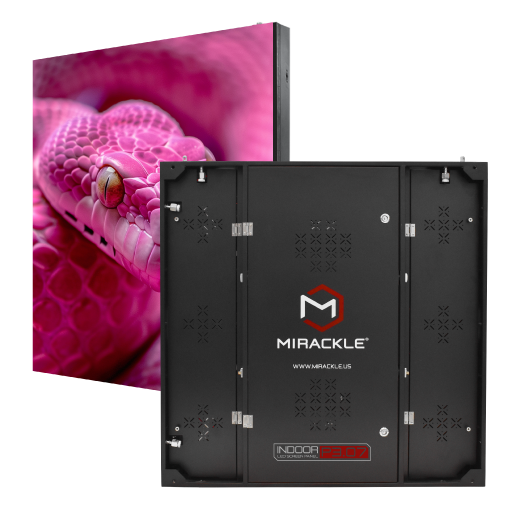
The service method should reflect the installation. Front-service LED display panels are often better where there is little or no rear clearance, while rear-service configurations can suit stages, truss systems, and open structures. The correct choice helps technicians reach LED panels, power supplies, and receiving cards quickly.
Indoor and Outdoor Requirements Are Not Interchangeable
Outdoor equipment must withstand water, dust, heat, corrosion, UV exposure, and direct sunlight. Those demands require different construction, protection ratings, and brightness levels.
Indoor and outdoor systems are engineered for different conditions. Indoor LED displays generally operate at moderate brightness, while outdoor LED panels need weather-resistant construction and higher output. Because these LED devices face direct sunlight and changing weather, larger LED video walls may also require automatic brightness adjustment. Using indoor equipment outside can shorten service life and compromise safety.
How to Decide Which LED Wall You Should Buy
Choose a Package When Simplicity Is the Priority
A pre-configured package is usually the better fit when speed, predictability, and ease of operation matter most.
- Clear purpose: The system will support a standard application such as presentations, streaming, branding, worship content, or event viewing.
- Traditional space: The mounting area has regular dimensions and does not require complex architectural adaptation.
- Tight schedule: The buyer needs faster quoting, delivery, and installation with limited engineering work.
- Suitable standard specifications: Available configurations already match the viewing distance, content, lighting, and budget.
In these conditions, the package offers a practical balance of performance, cost, and convenience through proven LED display panels.
Choose Custom When the Screen Has a Bigger Role
A custom system makes more sense when the display is central to the architecture, brand experience, or technical workflow.
- High-impact location: The installation will become a focal point in a lobby, auditorium, facade, showroom, or flagship venue.
- Nonstandard geometry: The project requires curves, corners, columns, panoramic proportions, or exact dimensions.
- Specialized performance: The environment demands precise color, close-range clarity, broadcast compatibility, complex signal routing, or unusually high brightness.
For these applications, flexibility and control are essential. Custom LED screens can then meet exact performance requirements without forcing the project into a standard configuration.
At LED Market, we understand that LED technology is a strategic investment. The right system should support the space, the audience, and the way your team works—not create additional complications.
Our specialists assess your objectives, site conditions, timeline, and budget before recommending a proven package or a purpose-built design. Whether the project calls for ready-to-install LED walls or fully customized LED solutions, LED Market provides the planning and technical support needed for a reliable result.