
LED Video Wall Installation Costs: What Buyers Often Overlook
When a company starts exploring LED technology, the first question is usually how much the screen costs. But in most projects, that number is only one part of the investment. Installation can define the final budget, long-term performance, safety, and lifespan of the system. One common mistake is comparing quotes by screen size or pixel pitch alone. A reliable project also depends on mounting structure, site access, cabling, control systems, video processing, labor, permits, and future maintenance.
Installing a screen in a small shop is not the same as installing one in a stadium, corporate lobby, church, or multi-purpose venue. Each environment changes the structural requirements, technical setup, and level of complexity. This guide explains what affects installation costs and what buyers often overlook before approving a quote.
Why LED Screen Installation Costs Are More Than Just Labor
The Screen Is Only One Part of the Project
When discussing the cost of installing LED video walls, many buyers think only about labor. In reality, the visible panels are just one part of a complete system. An LED screen does not work like a large TV that can simply be plugged in and used.
The final cost depends on screen size, expected resolution, pixel pitch, power distribution, processing requirements, and the installation environment. Indoor spaces, such as meeting rooms or retail stores, require different planning than outdoor locations exposed to rain, dust, heat, and temperature changes.
The installation method also matters. Wall-mounted systems, ground-supported structures, and flown configurations all carry different engineering, safety, and labor requirements. Even front or rear access for maintenance can affect both the initial budget and future service costs.
That is why buyers should not evaluate indoor LED walls as isolated products. They should think of them as complete visual systems where structure, performance, operation, and maintenance all work together.
Why a Cheaper Installation Can Become Expensive Later
Installation is often the first place where people try to save money. But what looks like a lower upfront cost can quickly become a higher operating cost if the system is not planned correctly.
Poor installation can lead to alignment issues, ventilation problems, disorganized cabling, vibration, unstable modules, and difficult service access. A simple repair that should take minutes can become complicated when the structure was not designed with maintenance in mind.
A well-planned installation protects the investment by improving airflow, weight distribution, cable management, and access for service. It also helps reduce downtime, future technical visits, and unnecessary operating expenses.
What Buyers Usually Forget to Ask
Many buyers focus on size, brightness, or resolution but overlook practical questions that become critical later. Can the wall support the total weight? Will the project require a separate structure? Is there enough access for future module replacement?
The same applies to the technical system. The video processor, sending card, cabling, and signal sources need to be positioned correctly for stable operation. Depending on the venue, lifts, truss systems, rigging, or additional permits may also be required.
Usage should also be defined early. LED display packages used for scheduled content do not require the same setup as systems used for live events, broadcasts, or productions with multiple signal sources. The clearer the use case, the easier it is to avoid hidden costs.

The Three Main Installation Methods Buyers Should Understand
Wall-Mounted LED Video Walls
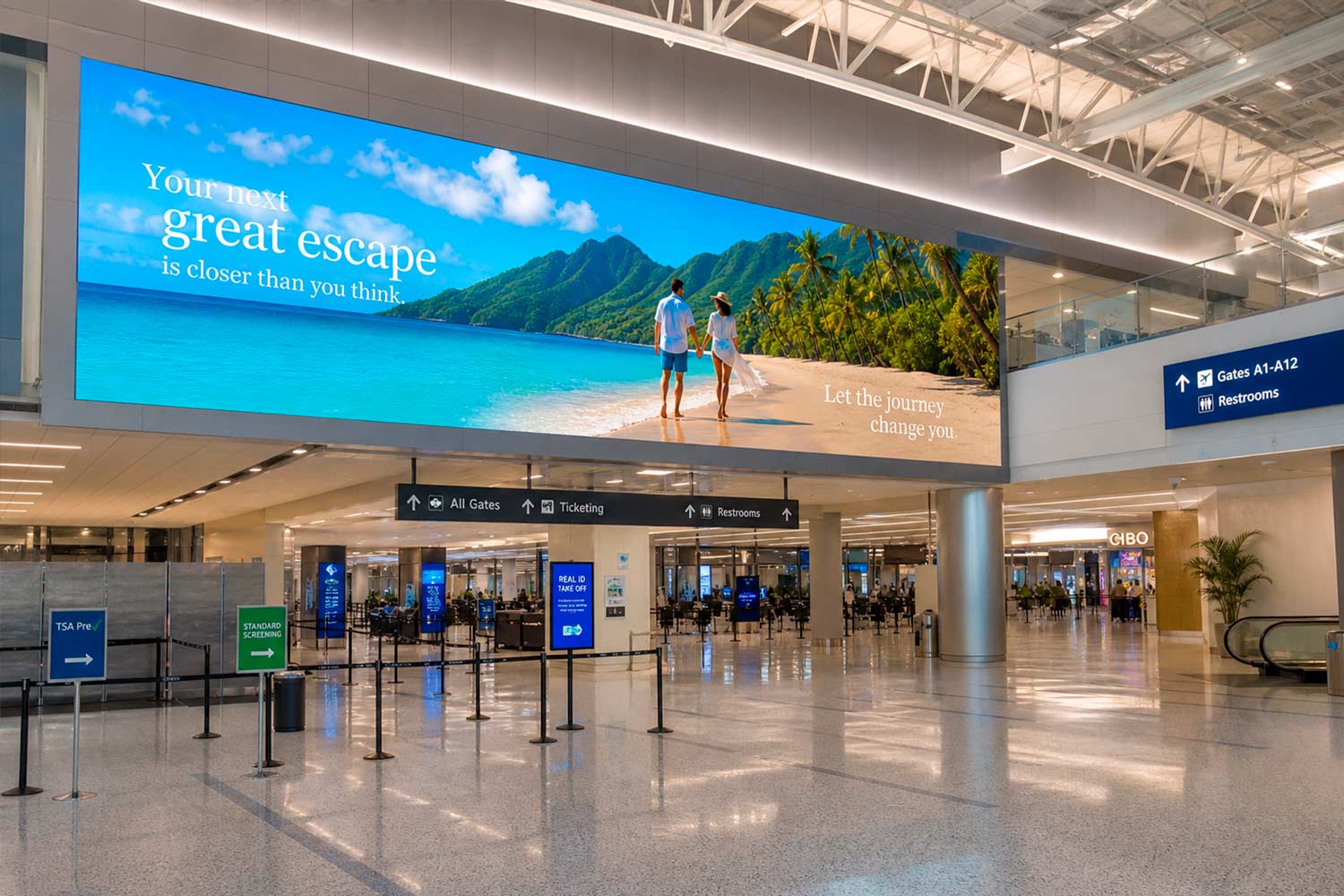
Wall-mounted installations are often preferred for corporate spaces, retail stores, churches, meeting rooms, and studios because they create a clean, permanent, and professional look. The screen becomes part of the architecture without taking up valuable floor space.
However, this method requires more than measuring the display area. The total system weight, wall strength, power access, ventilation, and service access all influence how the structure should be designed.
Basic wall-mounted or simple ground-supported installations may fall in the approximate range of $1,000 to $3,000 when the site is straightforward. When structural reinforcement, high-rise mounting, or custom fabrication is
Ground Support LED Video Walls
Ground support systems use structures that sit directly on the floor instead of relying on walls or overhead rigging points. This makes them practical for events, temporary stages, activations, and venues where the screen needs to be assembled and moved frequently.
The main advantage is flexibility. These systems usually require less structural intervention and can be adapted to different layouts. However, they still need a stable, level surface, safe weight distribution, and enough space for audience movement.
For rental environments, lightweight cabinets make setup, transport, and handling much easier. When LED display panels travel often between events, cabinet durability and module strength become essential to preserving performance over time.
Flown LED Video Walls
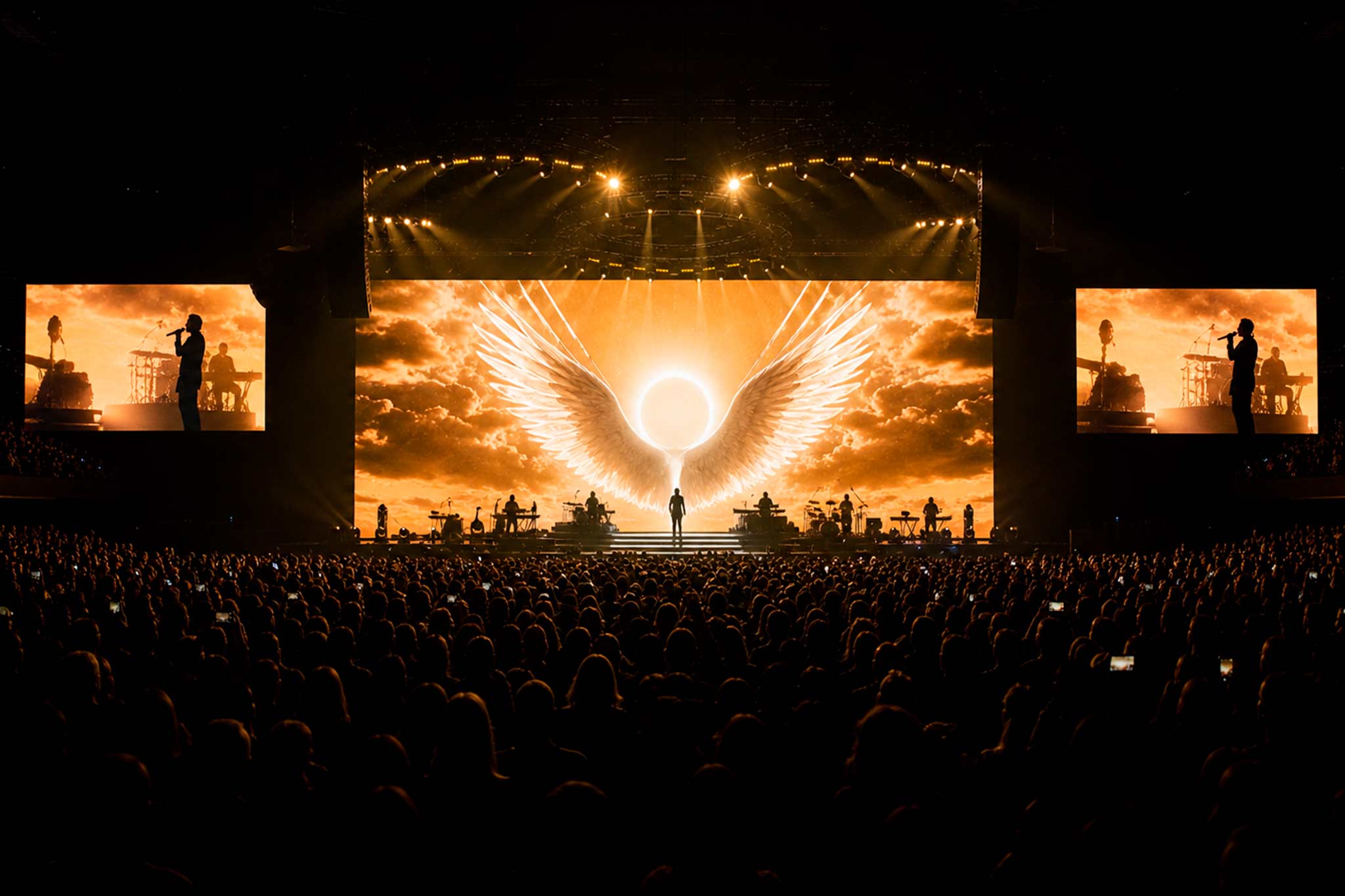
Flown installations suspend the screen from overhead structures, trusses, or rigging points. They are common in concerts, touring events, multi-purpose venues, and stages where visibility and presentation are central to the experience.
This method creates a clean visual result, but it is usually the most complex from a technical standpoint. It requires structural load reviews, safe suspension points, certified rigging, motors, trusses, and experienced technicians.
Because of this, flown installations typically cost more. Suspension systems, motors, and specialized labor may add $2,000 or more, while large-scale productions can require a much higher budget depending on size and engineering requirements.
Choosing the Right LED Screen Installation Method by Industry
Not all industries use LED screens the same way. Spaces, content types, audience distance, operating hours, and visual expectations all vary. The right installation method should reflect how the system will actually be used.
Corporate Offices, Lobbies, and Boardrooms
In corporate offices, executive lounges, lobbies, and boardrooms, wall-mounted installations are often the most logical choice. These spaces usually need a clean, permanent integration where technology supports the architecture instead of interrupting it.
Because viewers are often close to the screen, a finer pixel pitch and higher resolution help presentations, dashboards, video calls, and graphics look sharp. Integration with laptops, AV systems, and meeting platforms is also important for daily use.
Full front service is especially useful when there is no technical space behind the screen. Lightweight cabinets and a clean finish also help LED panels for corporate training feel more aligned with a professional corporate environment.
Churches and Worship Spaces
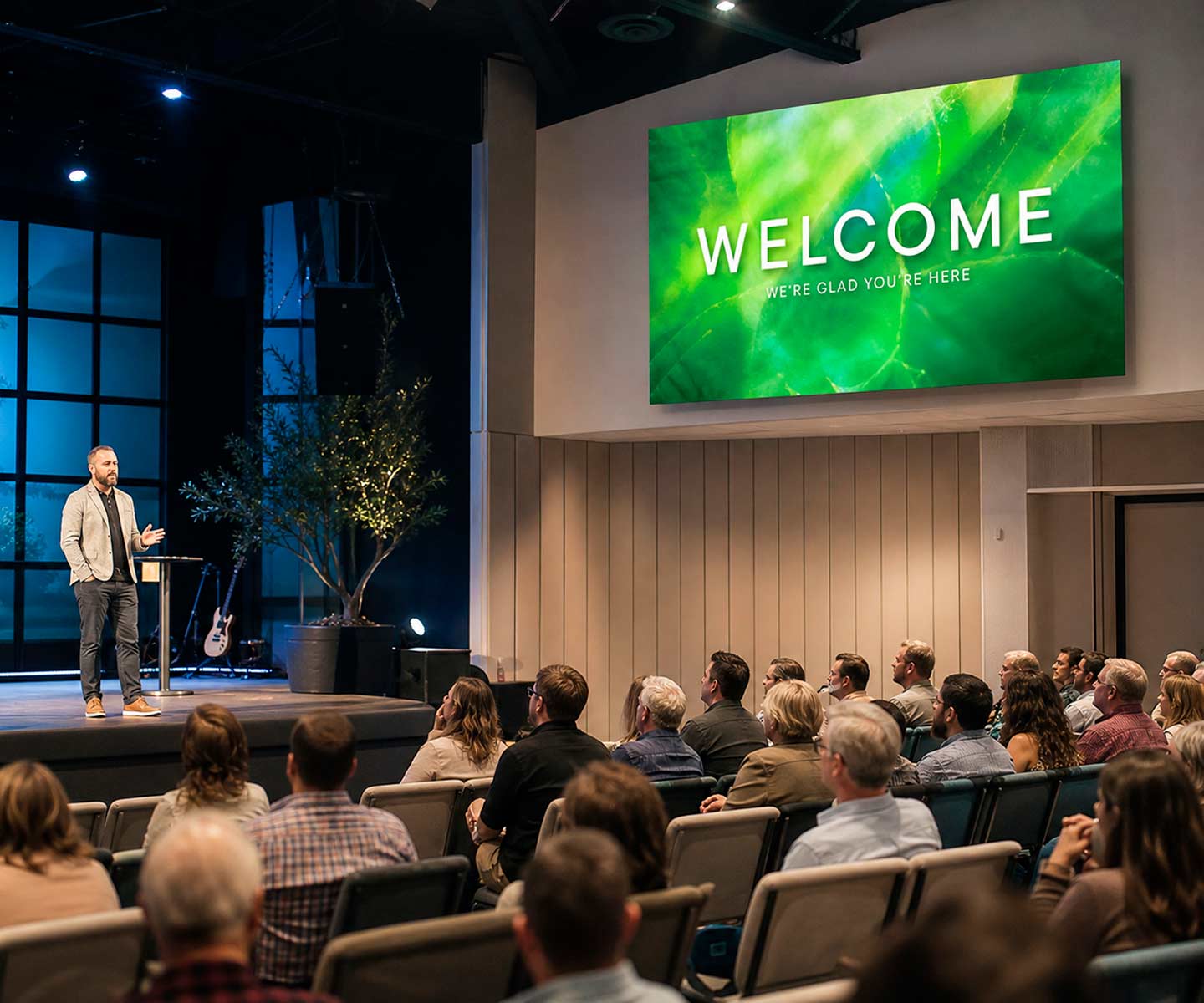
In churches and worship spaces, the right method depends on the sanctuary size, viewing distance, and content type. Small and mid-sized churches often use wall-mounted or ground-supported solutions for lyrics, scripture, video, and presentations.
Large auditoriums may benefit from LED walls for churches and flown configurations because they free up stage space and improve visibility. In these spaces, wide viewing angles, often between 140° and 160°, help the congregation see content clearly from the sides.
Many churches also stream or record services, so a high refresh rate, such as 3840 Hz, helps maintain stable visuals on camera. Front-service access is also valuable because it reduces disruption during frequent use.
Trade Shows and Temporary Events
For trade shows, exhibitions, and temporary events, ground support is often the most practical choice. It allows exhibitors to adapt screen size and configuration to booths, stages, or branded activations.
Here, the priority is fast setup, easy transport, and repeat use. Lightweight cabinets, durable modules, and intuitive control systems help teams assemble, operate, disassemble, and store LED display panels for trade shows with fewer complications.
The real cost in this industry often comes from repetition. Transporting, rebuilding, reconfiguring, and storing the system again and again makes durability and ease of handling just as important as the initial price.
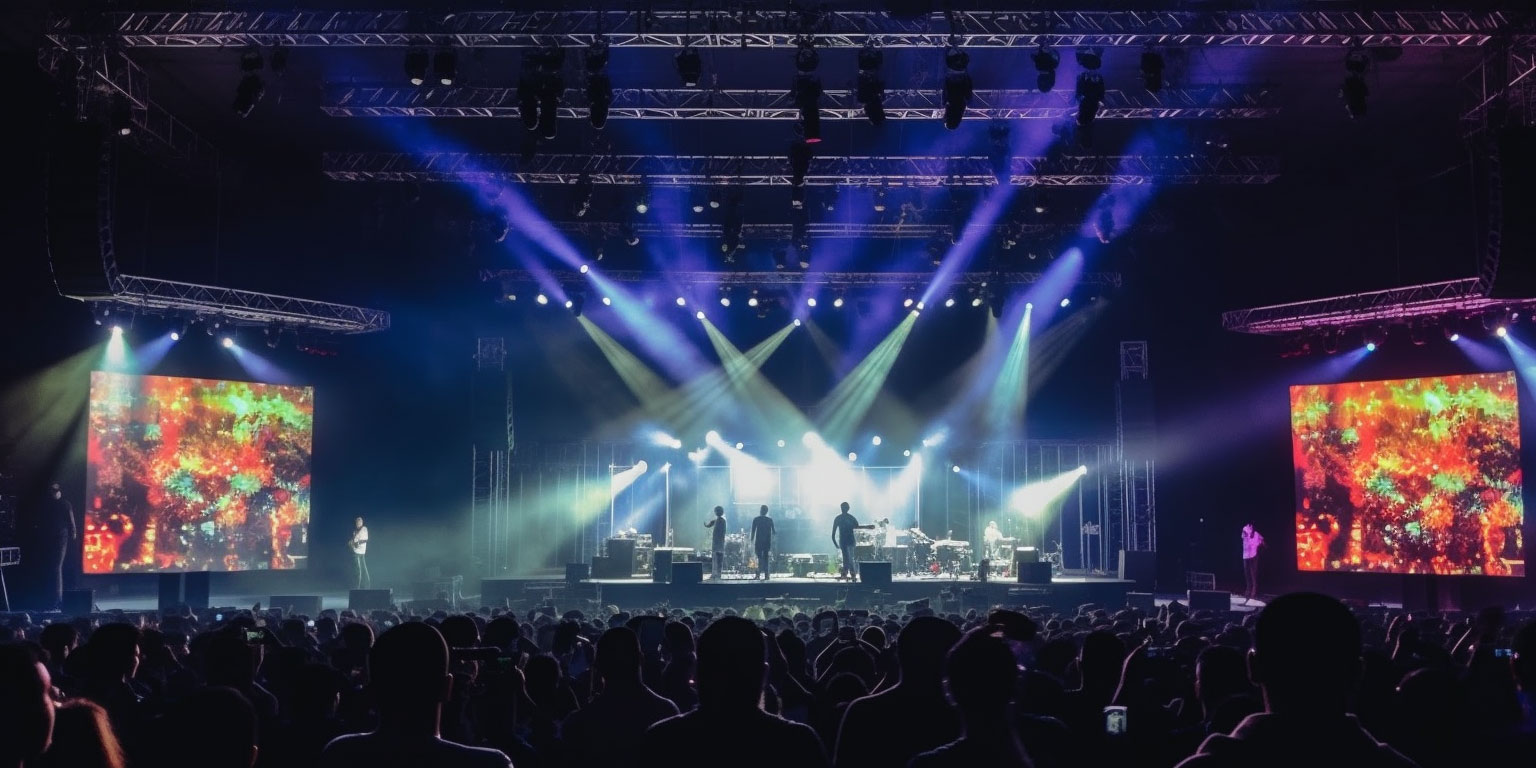
Concerts, Stages, and Live Productions
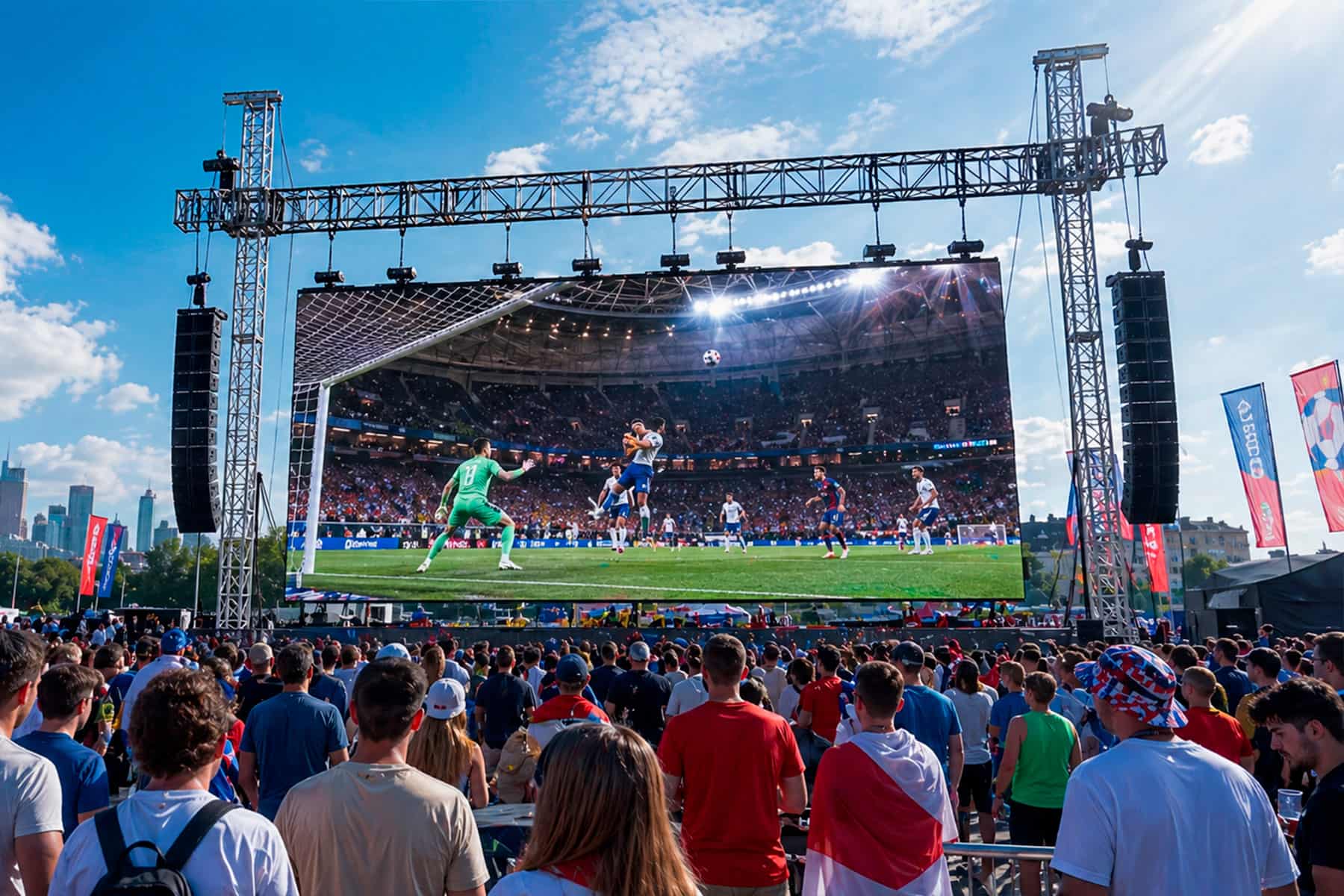
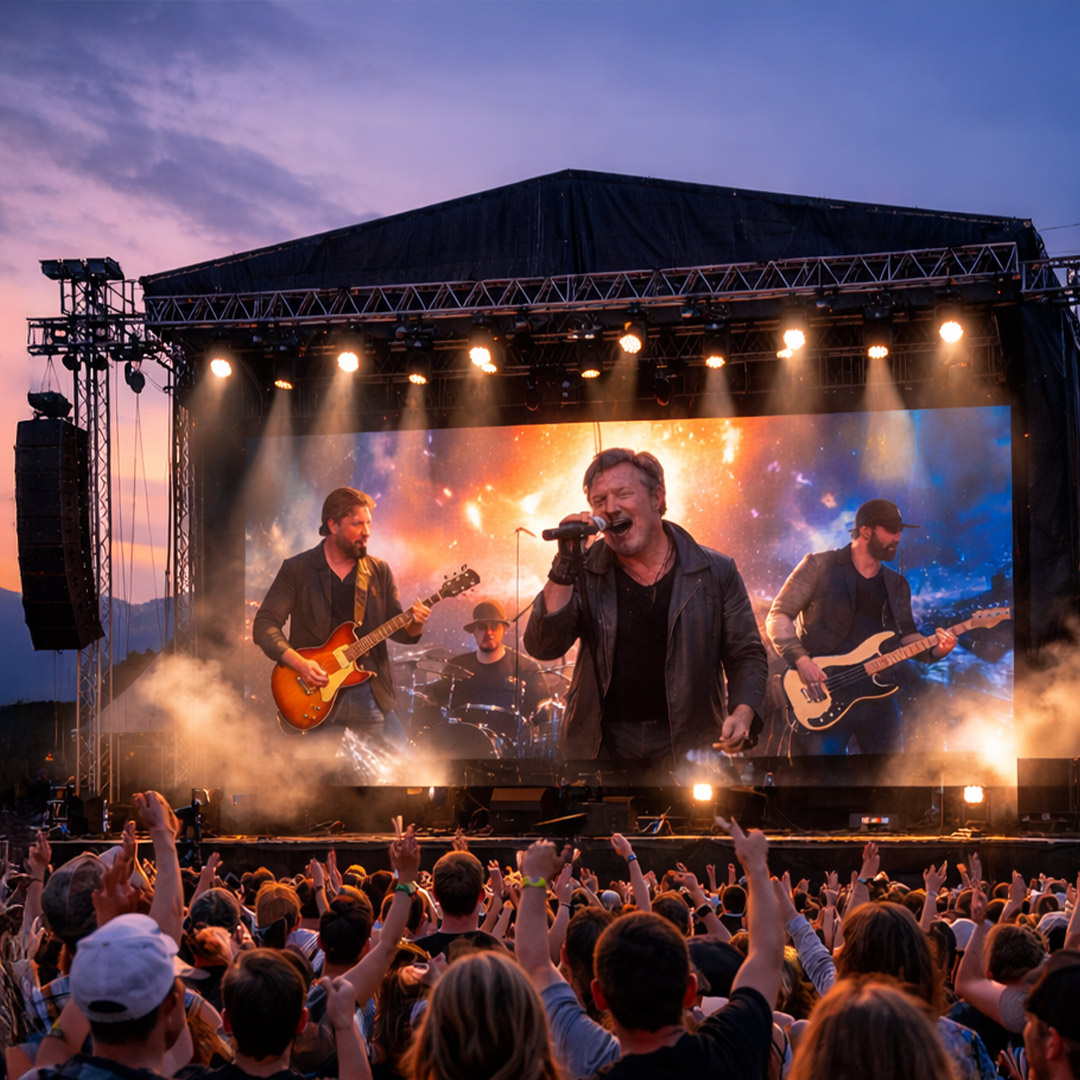
Concerts, stages, and live productions commonly use ground support or flown rigging systems to create high-impact visuals without limiting stage design. Flown setups can look cleaner, but they also require more engineering and specialized labor.
In these applications, visual performance is critical. High refresh rates, synchronous systems, and reliable video processing help support cameras, switchers, media servers, audio systems, and fast-moving content in real time.
For live environments, a large part of the installation cost is justified by safety, stability, and performance. There is little room for error when LED devices for concert venues are supporting a production in front of an audience.
Retail, Restaurants, and Hospitality
In retail stores, restaurants, bars, hotels, and lounges, the installation method depends on the screen’s purpose. Some LED screens for restaurants focus on branding and ambiance, while others prioritize digital menus, promotions, or customer engagement.
Wall-mounted systems usually fit these environments well because they offer a clean and consistent look. Features such as automatic brightness adjustment help maintain visibility as lighting conditions change throughout the day.
Many of these spaces also benefit from asynchronous control, which allows content to be scheduled without constant manual operation. In these cases, ROI is often measured through customer attention, branding, visual atmosphere, and promotional flexibility.
Outdoor Advertising, Stadiums, and Public Spaces
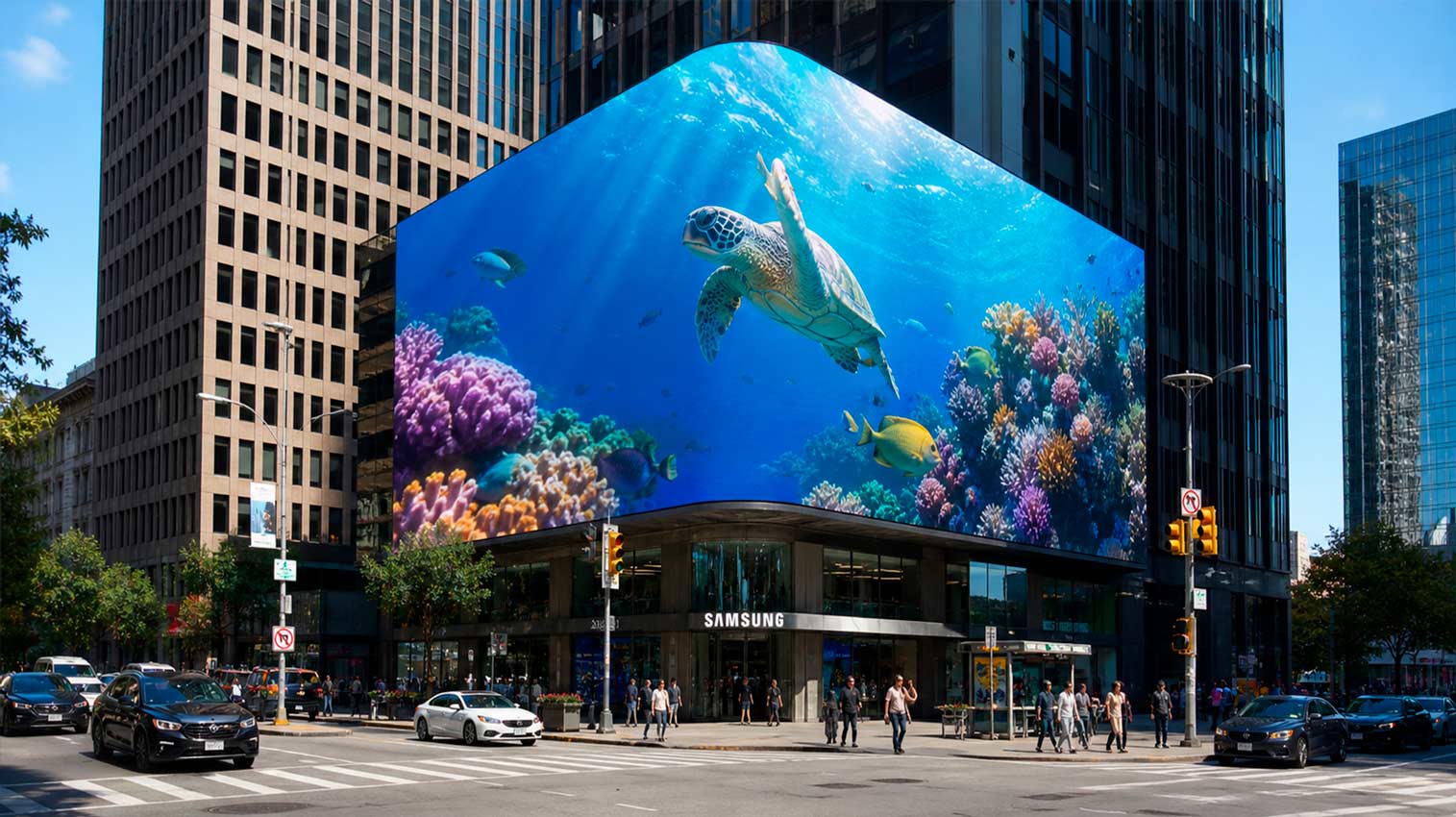
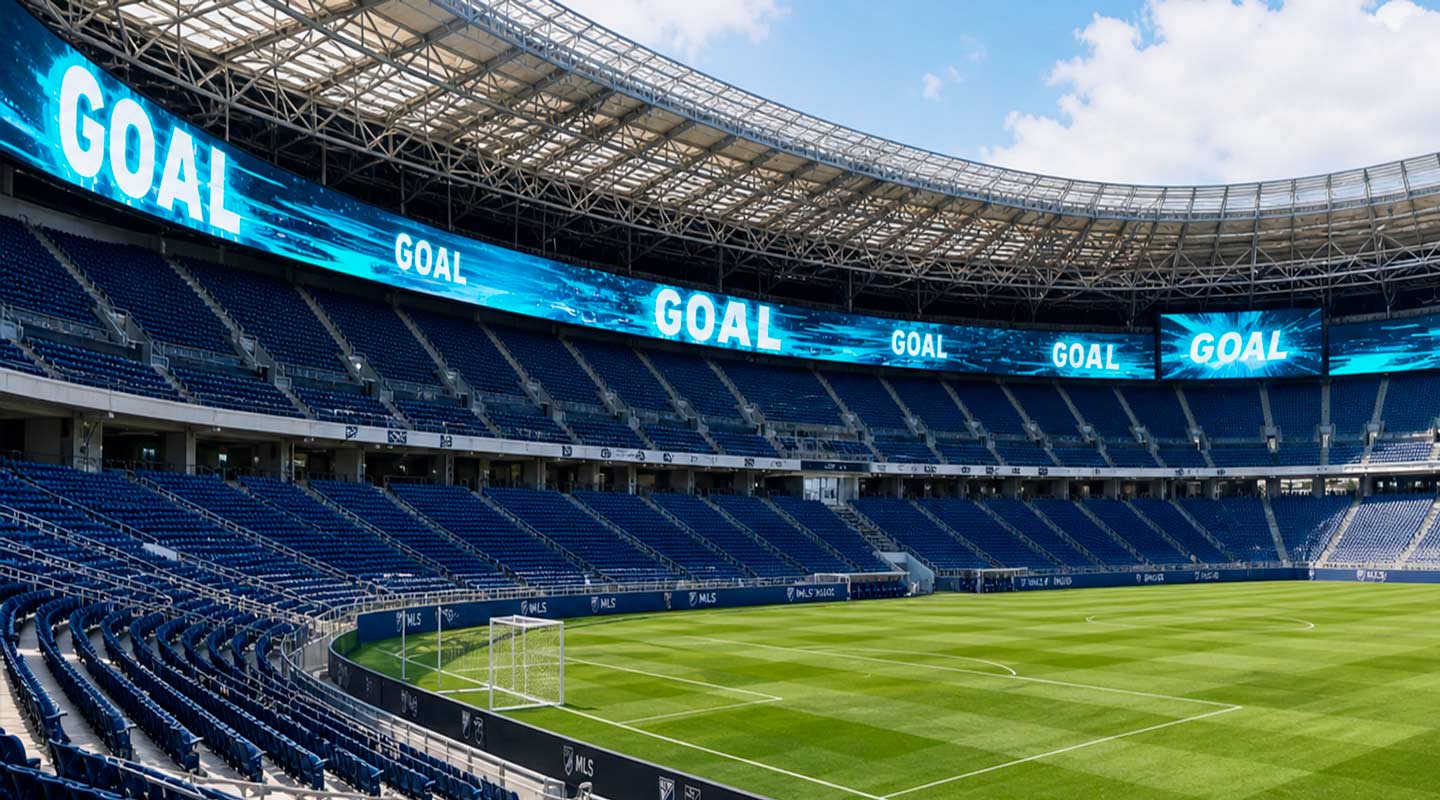
Outdoor projects are usually the most demanding. Stadiums, building facades, shopping centers, and public spaces require visibility, structural safety, weather resistance, and reliable access for maintenance.
Outdoor LED wall systems typically need robust cabinets, IP65 protection, protected cabling, and higher brightness levels to perform under sun, rain, dust, wind, and temperature changes. Automatic brightness adjustment also helps the screen remain visible without overpowering the environment.
These projects often involve permits, structural reviews, lifts, and specialized work at heights. Although outdoor installation costs are usually higher, they can generate strong returns through advertising revenue, sponsorships, traffic, and audience engagement.
How to Avoid Overpaying or Underplanning
Ask for an installation-based quote, not just a screen price.
A quote based only on the screen leaves out some of the most important parts of the project. That is exactly where cost overruns tend to appear.
A serious proposal should include the panels, structure, installation, video processing, cabling, setup, technical support, and basic maintenance planning. Two screens may look similar in price but require completely different installation work.
Match the Installation Method to the Real Use Case
There is no universal installation method that works for every project. The right choice depends on the space, content, audience, and daily operation.
Wall-mounted systems work best for permanent spaces that need a polished look. Ground support is better for temporary events and flexible layouts. Flown systems make sense for large venues and productions where visibility and stage design justify the added complexity.
Using the wrong method can create operational problems, unnecessary costs, and technical limitations that only appear after installation.
Plan for Content, Operation, and Future Changes
The installation should also be planned around future operation. Buyers should know who will operate the system, what content will be shown, and whether the setup may need to change later.
Some projects require scheduled content, while others need cameras, live feeds, digital signage software, or multiple sources running at the same time. Planning for those needs early helps avoid redesigning the system later.
A well-designed installation is not just one that works on day one. It should also adapt as content, layouts, and operational needs evolve.
A Good Installation Protects the Entire LED Wall Investment
The Best Installation Is the One That Matches the Space
The best installation is not always the largest or most complex. It is the one that fits the space, audience, content, and real operating conditions.
A corporate meeting room does not need the same structure as a live stage. A fixed indoor system does not require the same protection as an outdoor display exposed to the elements every day.
Maintenance should also be considered from the beginning. Front access, magnetic modules, organized cabling, and accessible structures help reduce service time and prevent unnecessary interruptions.
In the end, a strong installation protects the full investment. It improves durability, simplifies operation, reduces downtime, and helps LED solutions continue generating value long after the initial purchase.
Why Expert Guidance Matters Before Buying
Many LED projects fail to perform not because the product is poor, but because the system was poorly planned from the start. Pixel pitch, installation method, structure, maintenance access, and control systems all influence the final result.
Working with an experienced supplier before purchasing helps buyers evaluate the product, the space, the intended use, and the long-term operation of the system. This reduces the risk of hidden costs, poor performance, and avoidable technical limitations.
Companies like LED Market support this process by helping clients choose LED display panels, installation methods, and technical configurations that match each project. With professional guidance, technical support, maintenance availability, and warranty coverage of up to 5 years on all components, buyers can protect both the visual quality and long-term value of their investment.
An LED investment should not be planned only for installation day. It should be planned for every day the system needs to perform, support the space, and help the business communicate with impact.
An LED investment should not be planned only for installation day. It should be planned for every day the system needs to perform, support the space, and help the business communicate with impact.