
IP45 vs. IP65 LED Displays: What Protection Rating Do You Actually Need?
Two LED wall packages or products can look nearly identical while being built for very different environments. The real difference is how well the enclosure protects internal components from dust, moisture, and water exposure.
Choosing between IP45 and IP65 is not a simple “better vs. worse” decision. The right rating depends on the installation site, daily exposure, and long-term operating conditions. Too much protection can raise costs without adding value; too little can lead to maintenance issues, failures, and downtime.
IP45 vs. IP65 LED Walls: The Difference Starts With the Environment
IP stands for Ingress Protection, an international rating system that defines how well an enclosure resists solids and liquids. The first digit measures protection from solid particles; the second measures protection from moisture and water.
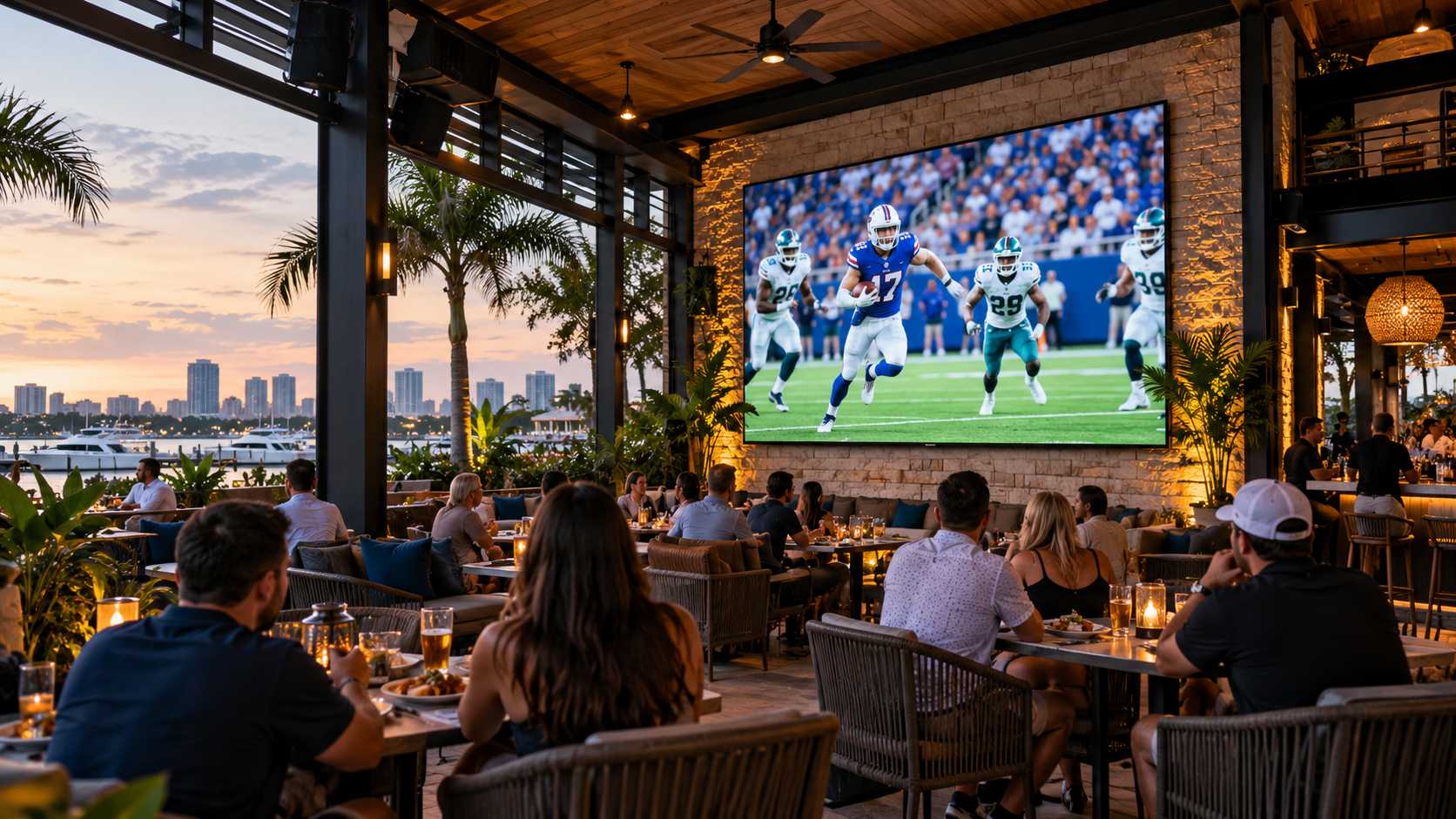
Climate-controlled interiors mainly require protection from dust and routine particle buildup. Semi-protected areas add humidity, condensation, and wind-driven debris. Fully exposed installations must handle rain, dust, heat, sunlight, and changing weather conditions.
Indoor, Semi-Protected, and Outdoor Are Not the Same Thing
Treating every project as simply “indoor” or “outdoor” can lead to the wrong specification. Exposure levels vary significantly from one location to another.
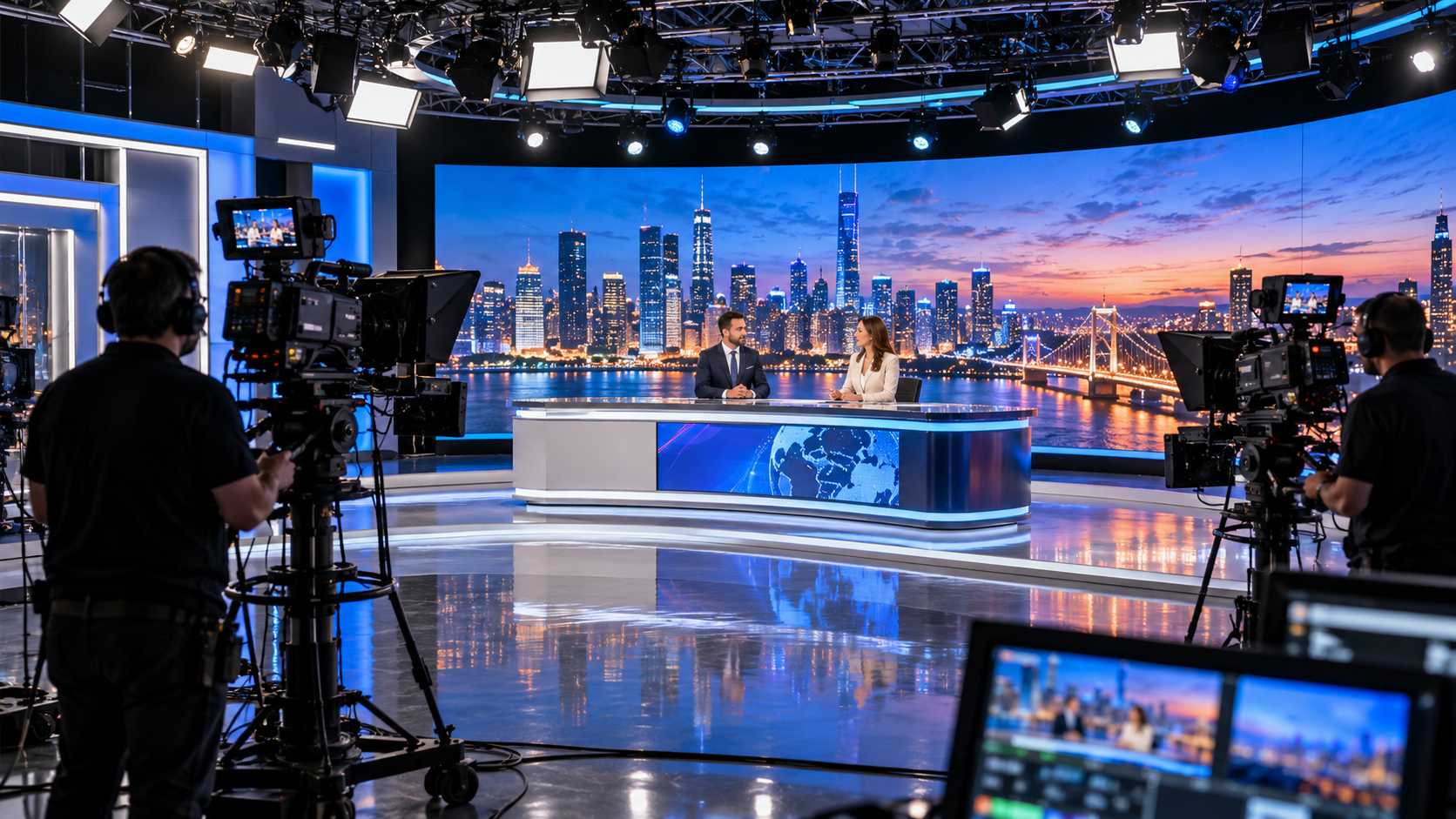
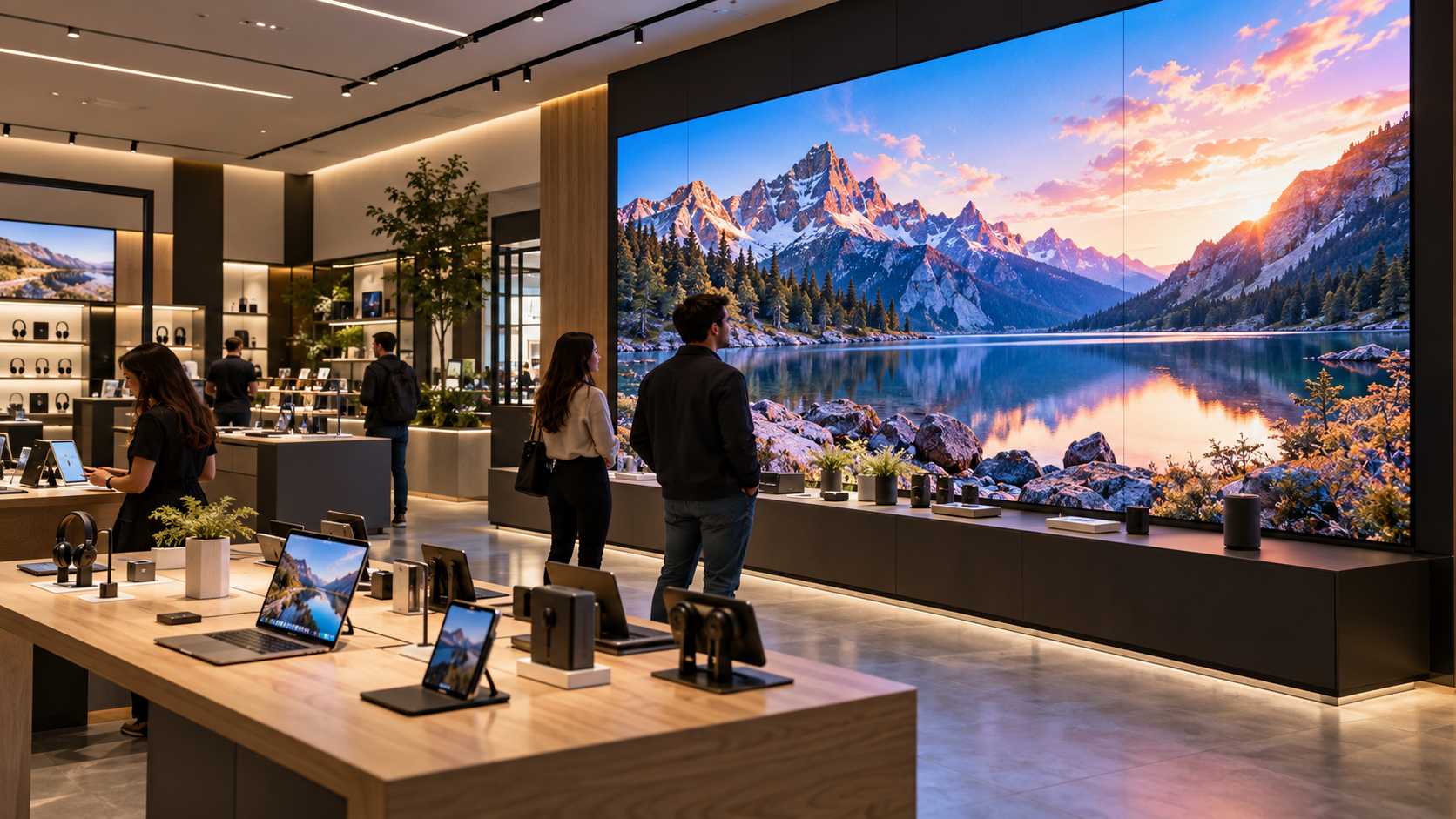
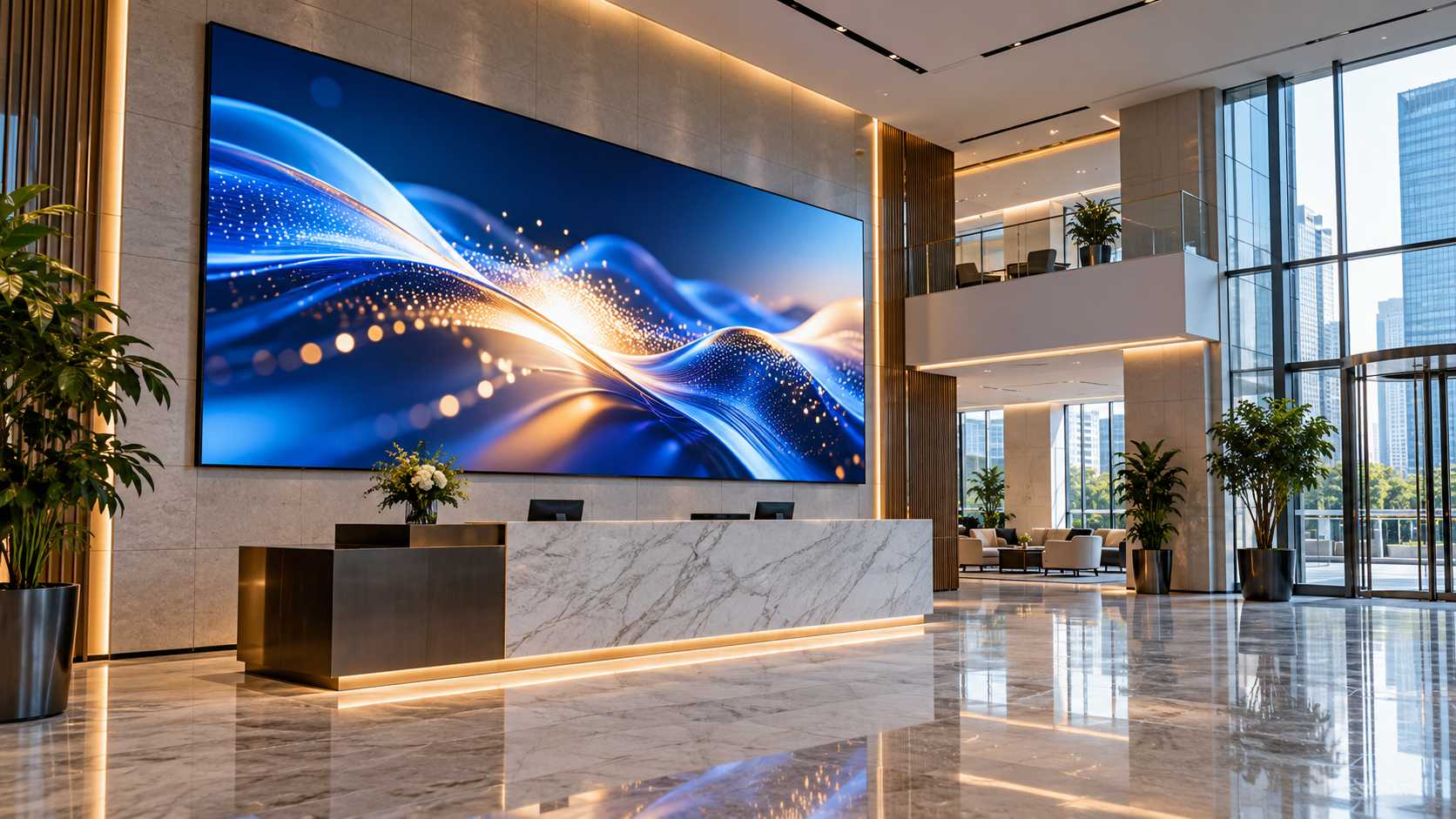
Corporate lobbies, houses of worship, TV studios, and enclosed retail spaces typically prioritize viewing distance, pixel pitch, refresh rate, and image quality. Covered entrances and roofed terraces may avoid direct rain but still face humidity and airborne dust. Open-air venues, facades, and outdoor advertising require much stronger environmental protection.
Climate-controlled interiors mainly require protection from dust and routine particle buildup. Semi-protected areas add humidity, condensation, and wind-driven debris. Fully exposed installations must handle rain, dust, heat, sunlight, and changing weather conditions.
When IP45 Is More Than Enough
Controlled Spaces Change the Equation
For enclosed environments, extra weather sealing often provides little practical benefit. Budget is usually better spent on features that directly improve image quality and usability, such as the right pixel pitch, stronger color processing, higher refresh rates, or easier service access.
Properly specified LED display panels can deliver excellent indoor performance without the added cost and weight of outdoor-grade sealing. The goal is to match the hardware to real operating conditions, not to maximize specifications unnecessarily.
Better Access Can Matter More Than Extra Weatherproofing
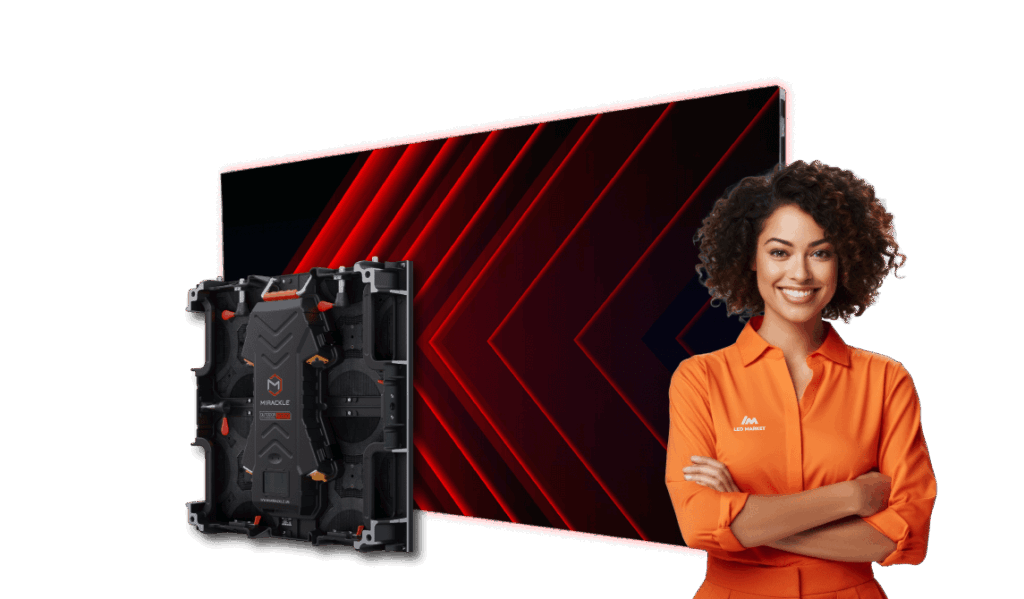
For indoor installations, maintenance access can be more valuable than weather resistance. A front-service design reduces downtime and simplifies repairs, especially in wall-mounted applications.
Magnetic modules and front-access components allow technicians to replace sections without dismantling the structure. Floor-mounted systems prioritize stability and leveling, while suspended systems depend on secure rigging and lightweight cabinets. The LED wall support system should influence the specification just as much as the IP rating.
Think Beyond the Purchase Price
The smartest system is not automatically the one with the highest specification. A better investment aligns protection, performance, maintenance, and budget with the actual environment.
For indoor LED panels, paying for heavy weatherproofing may increase cost without improving daily performance. A balanced configuration, backed by a strong warranty, can protect ROI while keeping service straightforward.
When IP65 Becomes the Smarter Choice
Outdoor Screens Face More Than Rain
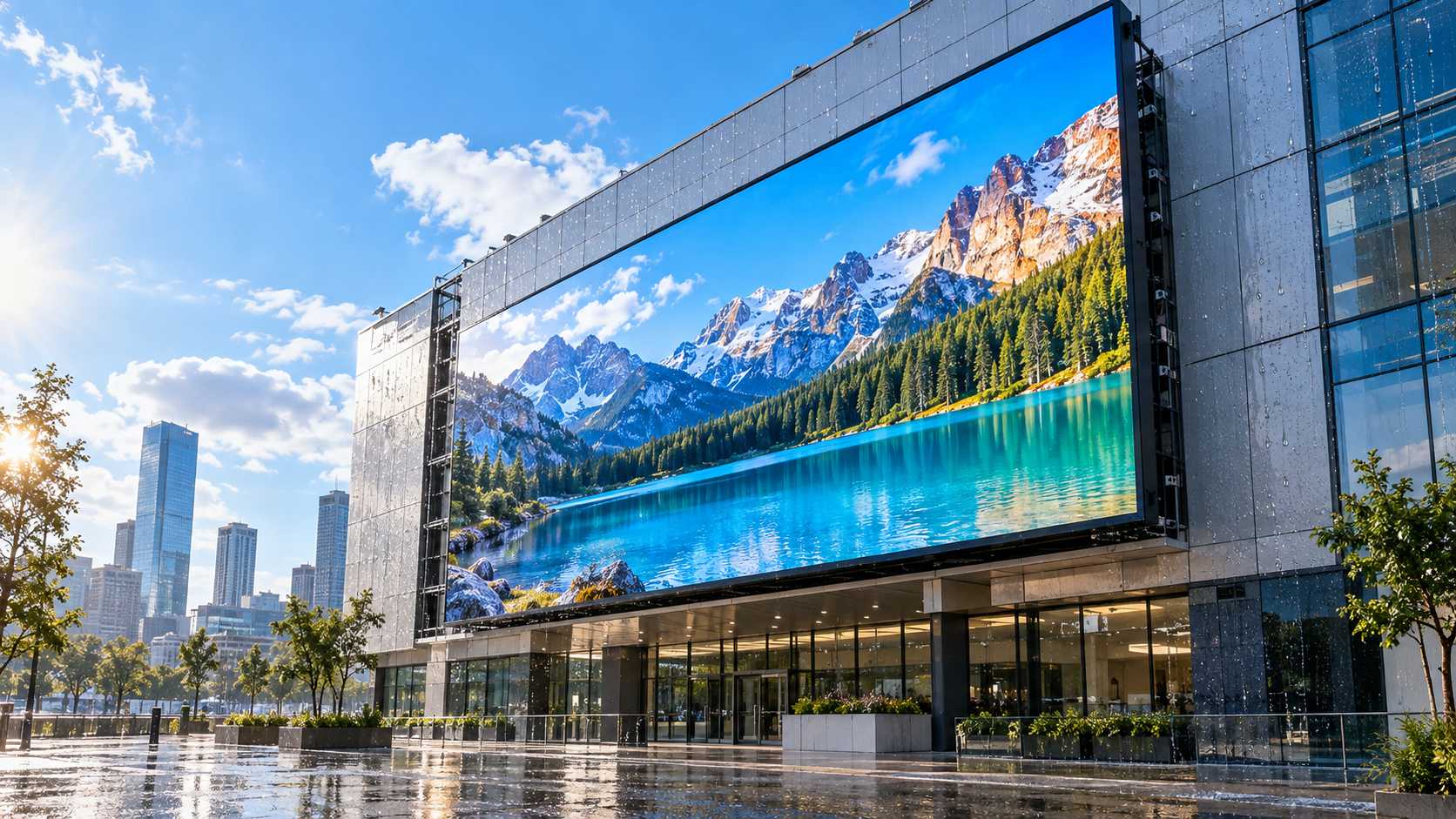
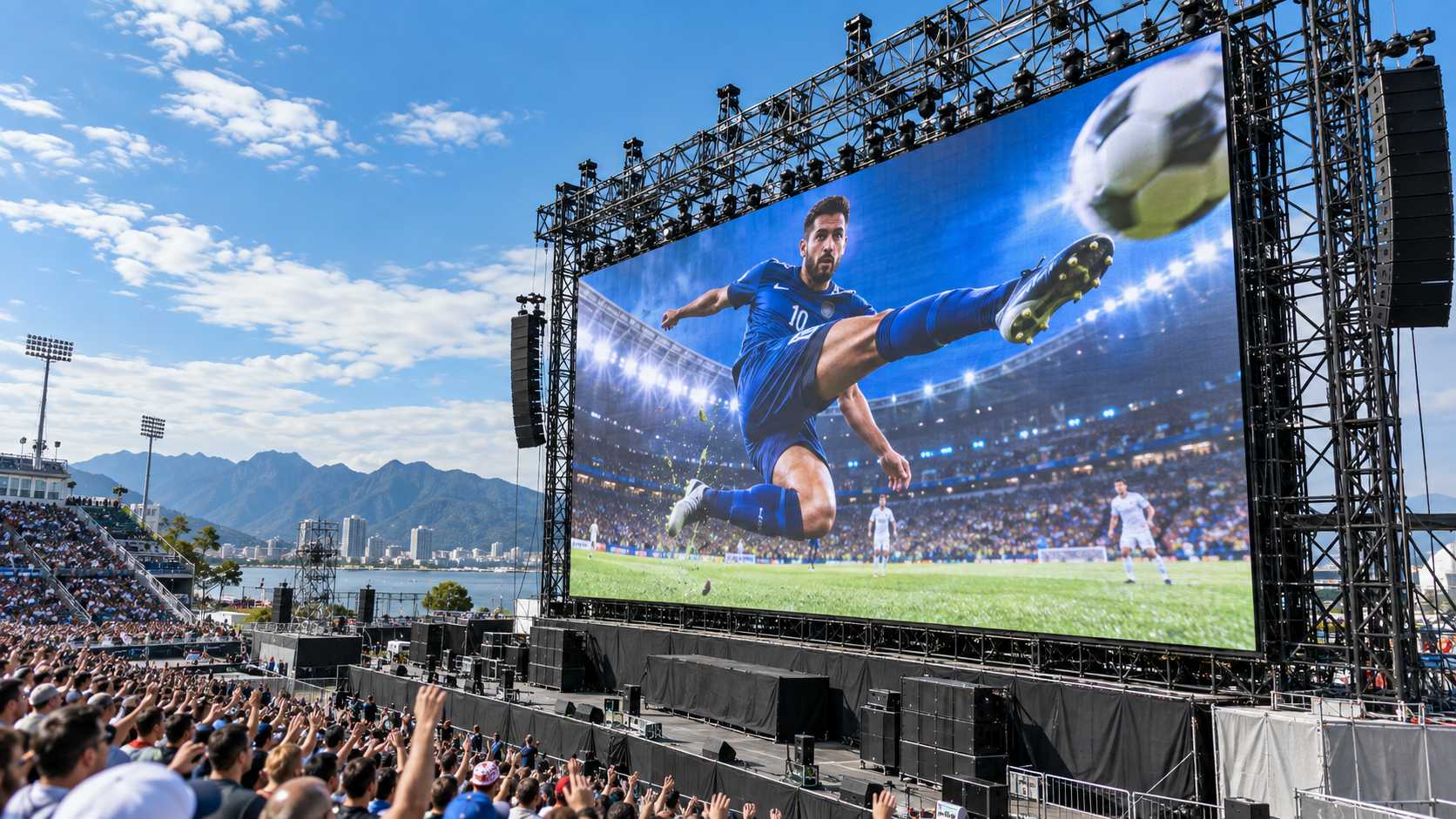
IP65 protection is about more than rain. Outdoor installations face dust, humidity, temperature swings, wind, pollutants, and prolonged sun exposure, all of which can affect long-term reliability.
That is why outdoor LED screens need robust cabinet construction and well-protected electronics. Lightweight cabinets also simplify installation, reduce structural load, and make servicing easier.
Visibility Changes Throughout the Day
Outdoor performance also depends on changing ambient light. A display that looks strong at night still needs to remain clear in direct daylight.
Automatic brightness control can adjust output based on surrounding conditions, helping LED video walls maintain visibility while reducing unnecessary power use and excessive brightness after dark.
Protection Should Match the Weakest Point
A high cabinet rating cannot compensate for weak supporting infrastructure. Power distribution, data connections, cabling, mounting points, and control equipment must be protected appropriately as well.
This is especially important for permanent LED screens, where one vulnerable connection can compromise the reliability of the entire installation..
How to Choose Between IP45 and IP65 Without Overengineering the Project
The best specification comes from evaluating the full system, not just the panel rating. That’s why LED Market can guide you through this tough process. Environmental exposure, mounting method, control hardware, maintenance access, viewing conditions, and budget all need to work together.
LED video walls used indoors generally benefit more from serviceability and visual performance than from heavy weather sealing. Exposed LED walls, by contrast, require stronger protection against moisture, dust, and changing weather.
The same principle applies across LED displays, LED panels, and LED technology: higher specifications only create value when the application actually needs them.
IP45 is well suited to controlled environments where efficiency, access, and cost matter most. IP65 is designed for harsher outdoor conditions where weather resistance and durability are essential. Neither is universally better; each serves a different operating environment.
For buyers comparing LED solutions, the strongest decision is the one based on real installation conditions rather than theoretical maximums. That approach protects ROI, reduces unnecessary complexity, and supports reliable long-term performance.
Well-matched LED devices and LED display panels can per
Boost your advertising with next-gen LED technology. Guaranteed quality, brightness, and durability.