
Indoor vs Outdoor LED Displays: Understanding the Key Differences
On a rainy or freezing day, we wear the right gear for the conditions. Once we step indoors, that extra protection is no longer necessary. The same logic applies here: different environments require different tools. That is exactly the case with indoor and outdoor LED technology. They are built for different conditions and are expected to solve different problems.
Indoor LED displays are made for controlled environments where viewing distance, aesthetics, and image detail matter most. Outdoor LED displays must perform in far tougher conditions, including direct sunlight, weather exposure, and longer viewing distances. That is why the installation environment affects everything from brightness and cabinet design to durability and mounting requirements. In this article, we will break down the key differences between indoor and outdoor LED displays so you can choose the right system for your space.
Why Indoor and Outdoor LED Walls Are Not Interchangeable
Many buyers focus on price first and assume one option can work anywhere. Sometimes that works. Often, it does not. Indoor and outdoor LED screens are not interchangeable because they are engineered for completely different performance demands.
Different environments, different performance demands
At first glance, many LED screen packages may look similar. In practice, they are built for very different uses.
Indoor environments are stable. There is no direct sunlight, weather is not a factor, and viewers are usually closer to the content. In these spaces, image detail, comfort, and clean visual integration matter most.
Outdoor environments are much harsher. Sunlight, rain, dust, wind, and temperature swings all affect performance. On top of that, the content often needs to remain visible from farther away and in high-traffic areas. In that setting, brightness, durability, and structural strength are essential, not optional.
The role of location in screen selection
Another common mistake is choosing a system based only on whether it is labeled indoor or outdoor. That is only the starting point.
A display designed for a church, retail store, or corporate lobby will not perform the same way as one built for a stadium or a public-facing installation. Every environment creates different priorities. Indoors, precision and close-range viewingare critical. Outdoors, visibility and durability lead the decision.
The right choice starts with the space itself, not just the screen size.
Why businesses should compare more than price
Price matters, but it should never be the only factor.
Durability, ease of maintenance, visibility in real conditions, and long-term reliability all affect ROI. A lower-cost screen that is poorly matched to its environment can create added expenses, downtime, and weaker performance over time.
Comparing indoor and outdoor systems is not just a technical exercise. It is a business decision that affects daily operation, maintenance, and long-term value.
What Makes Indoor LED Screens Different
Indoor systems are designed for spaces where the viewing experience is closer, more detailed, and more controlled. The goal is to deliver a sharp, comfortable image that fits naturally into the environment.
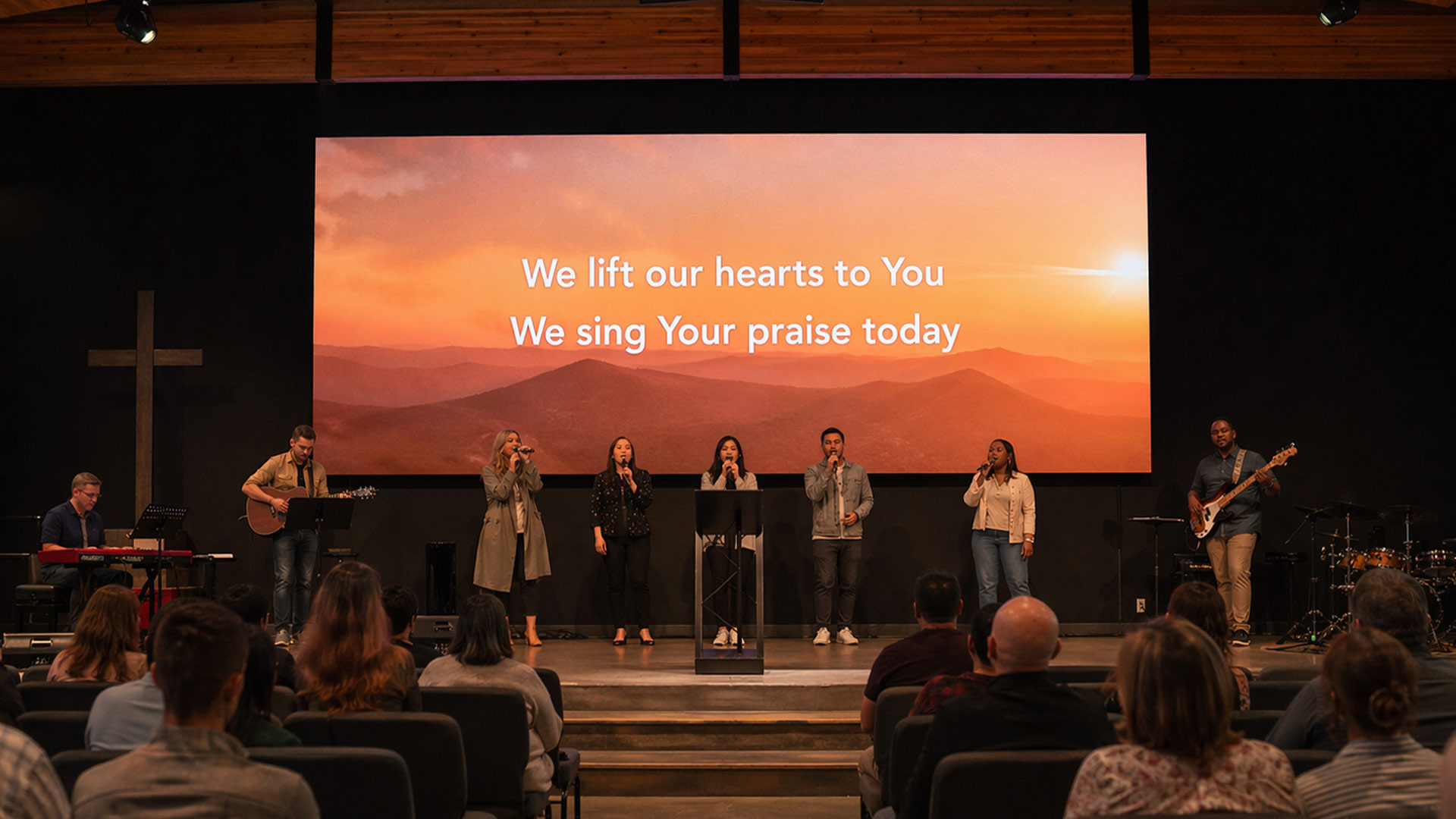
Specifically, options like the LED Screen Panels 8.4′ x 6.3′ P1.53mm Indoor Turn-key, LED Display Panel P1.86mm INDOOR or the LED Screen Panels 12.6′ x 6.3′ P2.5mm 960×960 Indoor Turn-key, are designed for environments where the visual experience needs to be more immersive, detailed, and controlled.
Built for controlled spaces and closer viewing
Indoor LED screens perform best where viewers are relatively close to the content. That makes pixel pitch especially important. A finer pitch helps create better perceived definition at short distances.
The result is clearer images, easier-to-read text, and a cleaner visual experience. In these applications, resolution alone is not enough. What matters is how the content actually looks under real viewing conditions.
Designed for visual quality, comfort, and integration
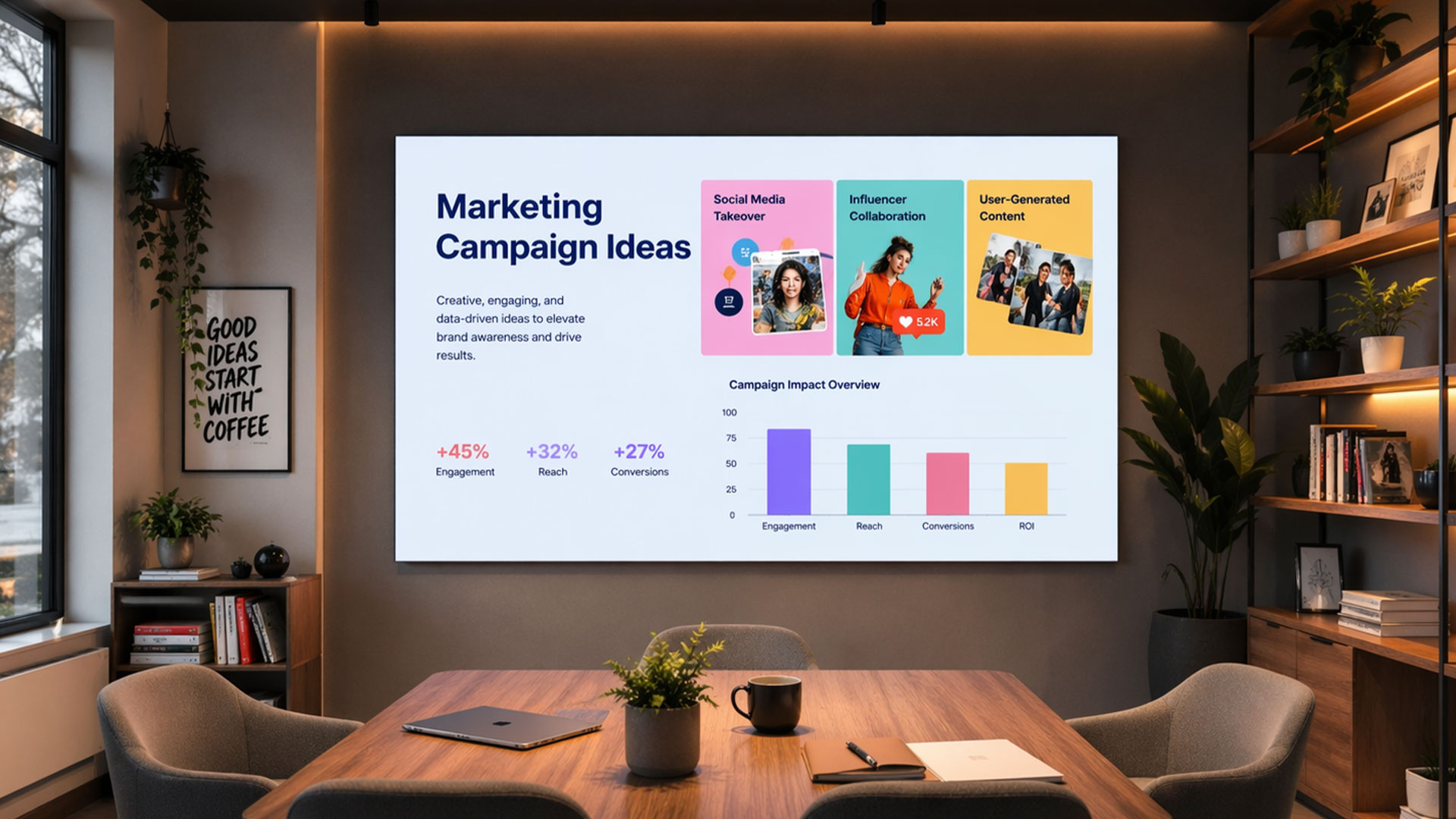
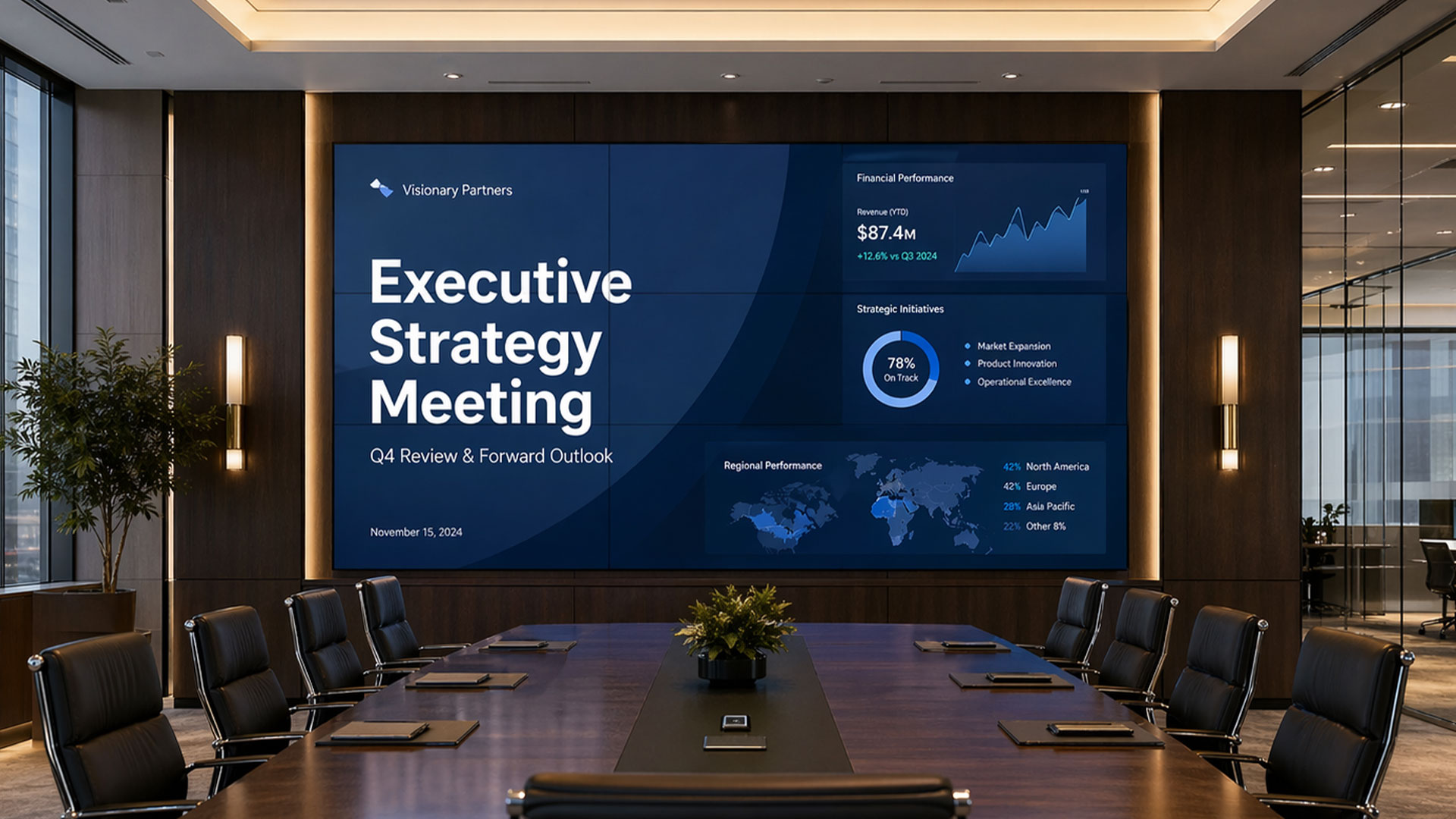
Indoor LED displays are common in retail stores, churches, corporate spaces, studios, showrooms, and event venues where the image is part of the overall experience.
These systems typically prioritize visual quality with features such as high refresh rates, wide viewing angles, and consistent color calibration. They are also built to integrate smoothly with content platforms, control systems, and audiovisual setups, making them practical for a wide range of professional uses.
Installation flexibility for interior projects
One major advantage of indoor installations is greater design flexibility. Because they are not exposed to harsh weather, they can be mounted in several ways depending on the project.
Wall-mounted setups are common for permanent installations. Flown and ground-support configurations are also popular for more flexible applications.
Many indoor systems also use lightweight cabinets, front-service access, and magnetic modules to simplify installation and maintenance. That makes them a strong fit for projects where viewing distances are shorter, aesthetics matter, and service access needs to be efficient.

What Makes Outdoor LED Displays Different
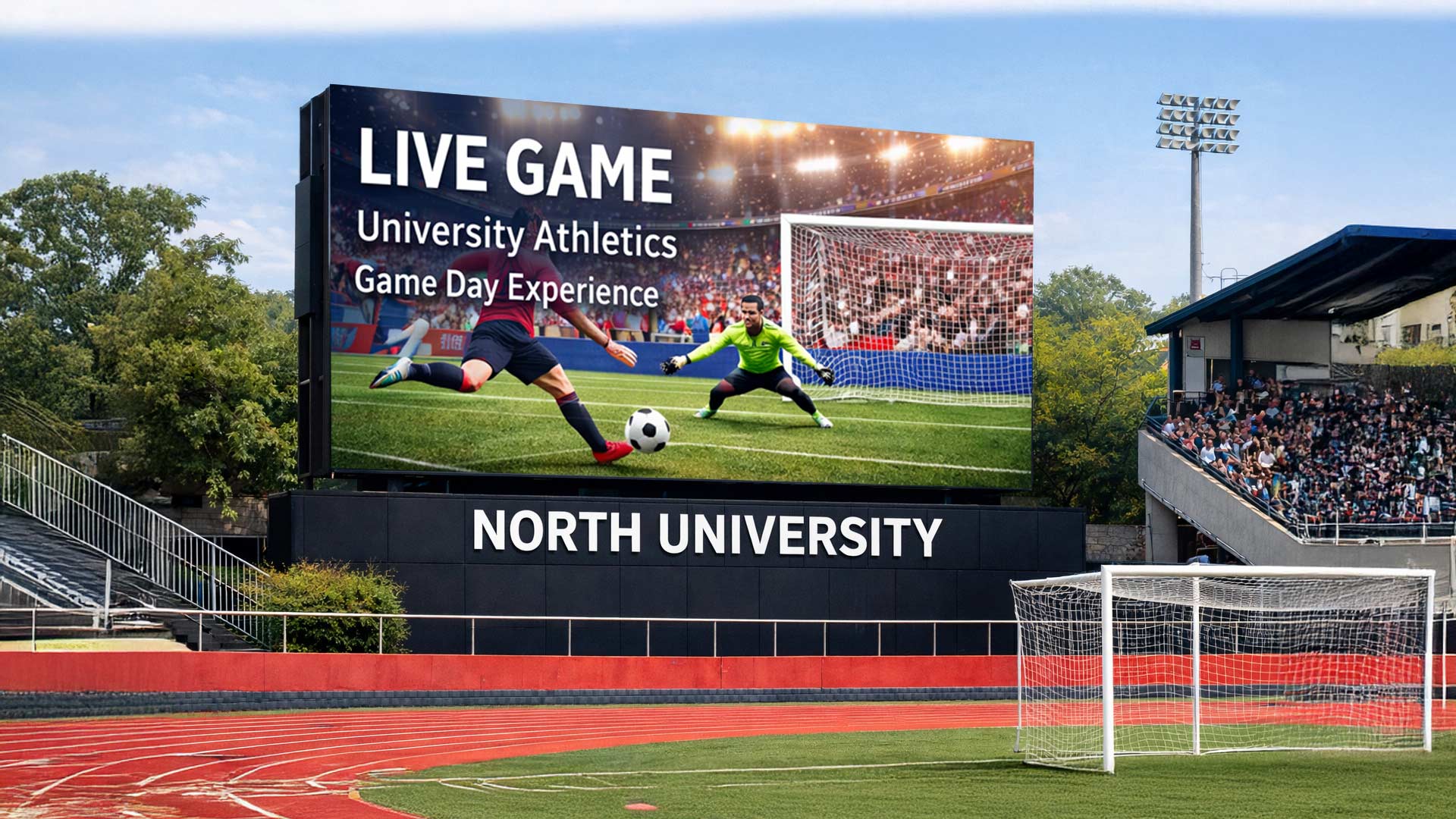
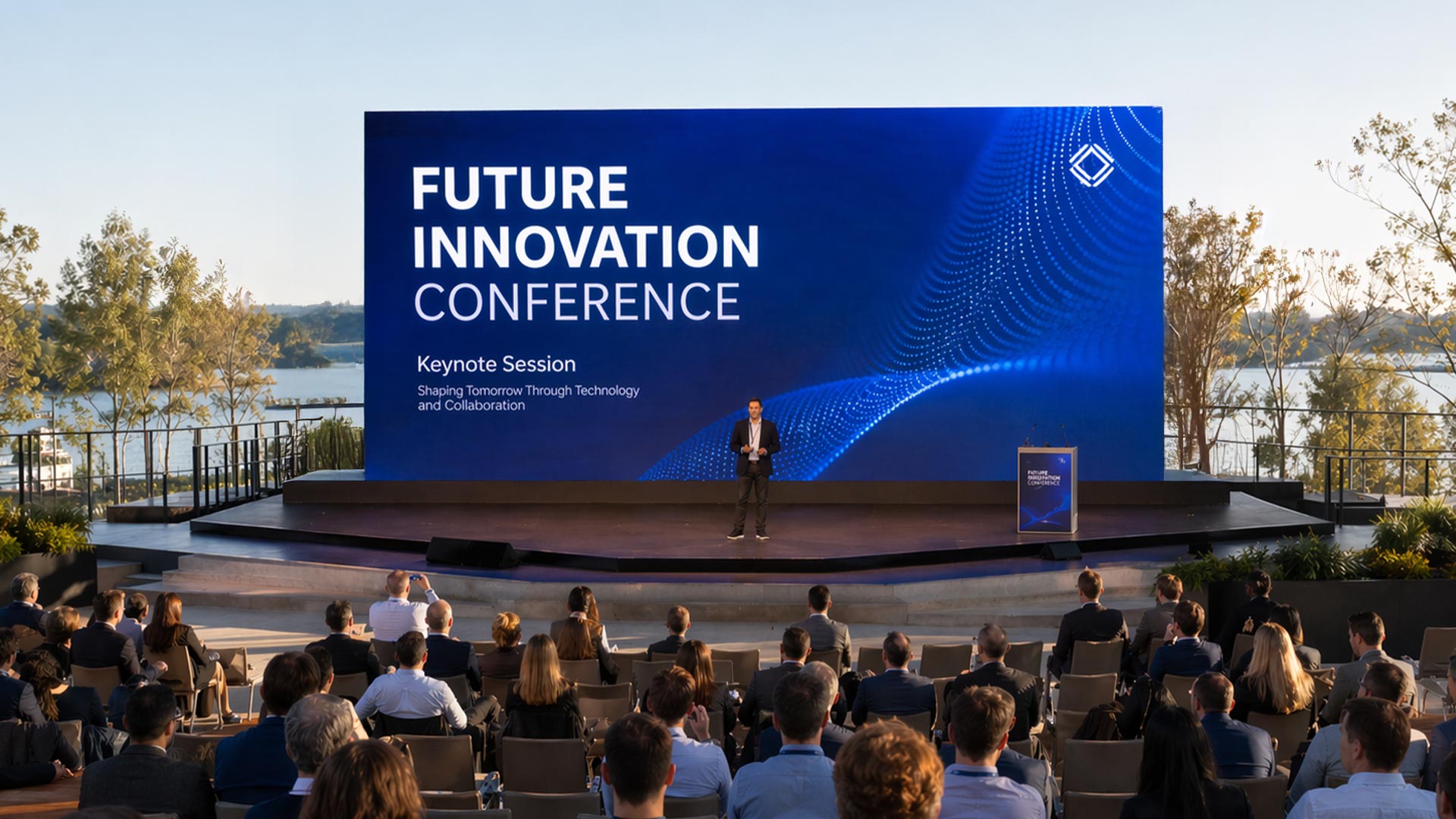
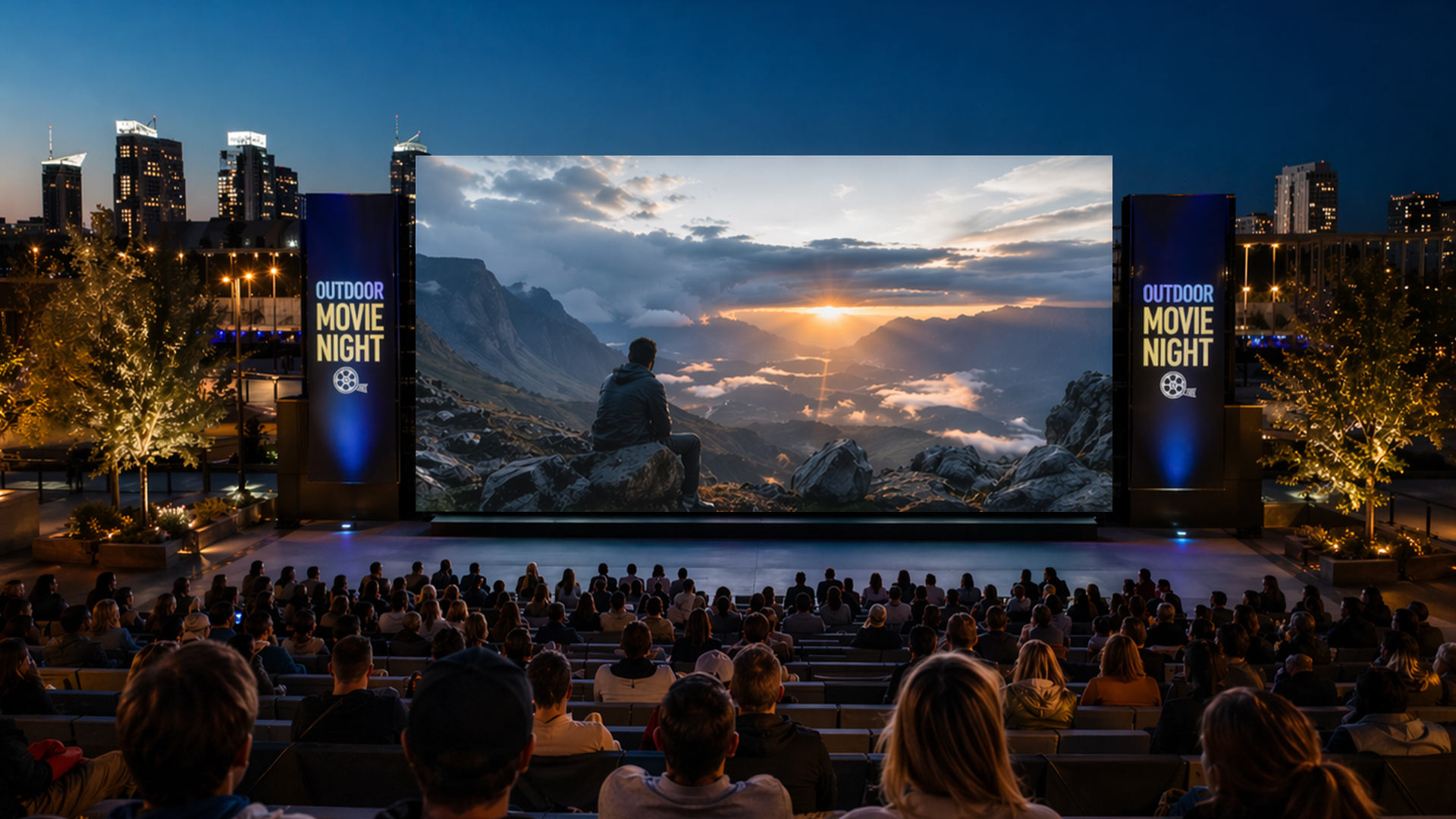
In a different scenario, outdoor LED displays, such as the Double Outdoor LED Display for Musical Festivals or the Splicing Display Panel, are designed to operate in completely different conditions than indoor displays. It’s not just about size or visual impact, but about durability, visibility, and consistent performance in varying environments. Each feature addresses a real-world challenge of the urban landscape
Built to Handle Weather, Sunlight, and Constant Exposure
Outdoor installations are expected to run reliably with little room for error. Rain, dust, wind, and temperature changes are all part of normal operation.
That is why outdoor LED displays are built with protective ratings such as IP65 and cabinets made from durable materials that help protect internal components and support long-term performance. This reduces the risk of premature wear and lowers maintenance demands over time.
Brightness and visibility in changing daylight conditions
Outdoor visibility is one of the biggest differences between the two categories.
Unlike indoor environments, outdoor spaces cannot control ambient light. To stay visible in daylight, outdoor LED screens require much higher brightness levels. Many also include automatic brightness adjustment, which helps maintain visibility in changing conditions while improving energy efficiency.
This allows the content to remain clear during the day without becoming excessive at night.
Performance at a distance and on a larger scale
Outdoor LED screens are usually viewed from farther away, so image performance is measured differently.
In these cases, pixel pitch is selected based on viewing distance rather than extreme close-up detail. Wide viewing angles and proper resolution still matter, but the goal is to keep content readable and impactful across larger spaces and moving audiences.
In short, outdoor LED displays are designed for visibility, strength, and dependable long-term performance.
Key Buying Factors Beyond Indoor vs Outdoor Use
Understanding the indoor-versus-outdoor difference is only the first step. Daily use, maintenance needs, and content requirements also play a major role in choosing the right system.
Viewing Distance and Audience Experience
One of the most common mistakes is choosing a screen based mainly on size.
In reality, the audience experience depends on how far people are from the content, whether they are stationary or moving, and what type of content is being shown. Pixel pitch, placement, and content scale all shape how effective the system will be.
The best choice is not always the biggest screen. It is the one that is properly matched to its audience.
Maintenance, service access, and long-term practicality
Installation is only part of the investment. Long-term practicality matters just as much.
Modern systems often include front-service access and magnetic modules, allowing faster maintenance without taking apart the full structure. That reduces downtime and makes service easier, especially in projects where the screen supports daily operations.
Control systems and content management
Screen performance depends on more than the panel itself. The control system also matters.
A reliable setup should support stable content management, synchronized playback, and flexibility for different types of use. Depending on the project, that may include live content, scheduled content, or a mix of both.
A dependable control system improves ease of use, image consistency, and long-term stability.
Integration with the rest of the project
In most professional environments, screens do not work alone. They must connect with video sources, event systems, control platforms, and content software.
That is why compatibility matters. A well-designed system should integrate smoothly with the rest of the project so the display supports the environment rather than limiting it.
Choosing the Right LED Display for Your Business Goals
The best place to start is not with product specs. It is with the application itself.
Before comparing models, it is important to understand where the system will be installed, who will view it, what kind of content will be shown, and how often that content will change. Once those questions are clear, choices such as indoor versus outdoor use, pixel pitch, and installation style become much easier to evaluate.
It is also smart to take a long-term view. Initial cost is only one piece of the investment. Durability, serviceability, energy use, and ease of operation all affect long-term value.
A well-chosen screen is not simply the cheapest or the most advanced. It is the one that fits the environment, performs reliably, and supports the project over time.
Finding a Reliable Partner for Indoor and Outdoor LED Projects
Choosing the right system can feel overwhelming, especially for buyers managing multiple priorities at once. That is why the right partner matters.
A strong provider should do more than sell products. They should help evaluate the space, recommend the right configuration, support installation planning, and ensure the system is ready to perform as expected. LED Market is the perfect ally for these types of situations.
Their kind of guidance helps balance image quality, durability, usability, and long-term performance. In the end, the best decision is not just technical. It is strategic, because the right system should work well today and continue delivering value as the project grows.
Schedule a free consultation to explore tailored LED solutions that fit your space, budget, and vision.