
How to Compare LED Display Quotes Without Missing Key Details
When investing in LED technology, focusing only on the final price can be a costly mistake. Two quotes may look similar on paper, but the real value behind the system can be completely different.
The quality of the components, warranty terms, installation logistics, technical support, and expected lifespan all influence the true cost of LED walls. Before signing any contract, define the purpose of your project: Will it be used indoors, outdoors, permanently, or for temporary events?
Choosing the cheapest option without reviewing these details can mean sacrificing brightness, durability, and reliability. This guide will help you identify hidden costs, compare proposals properly, and choose the right solution for your business.
Look Beyond the LED Screen Size and Final Price
Compare What Is Actually Included
When reviewing a proposal for LED screen packages, don’t just look at the total. A professional quote should clearly explain which products, accessories, and services are included, so you can compare each offer accurately.
Make sure the supplier lists the following essentials:
- Main hardware, including cabinets and LED panels.
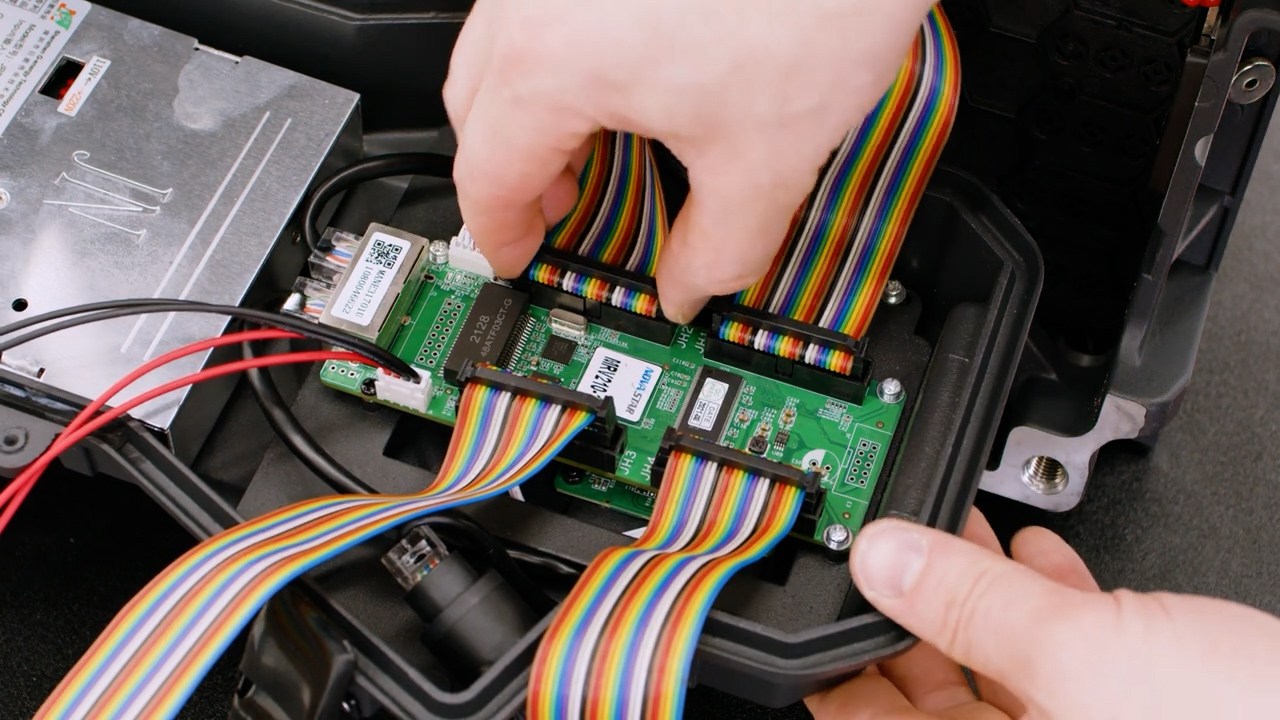
- Video processor and send card, which affect scaling, image quality, and signal stability.
- Cabling and spare parts, especially for fast maintenance.
- Support structure, whether for a fixed installation or rental setup.
- Software, setup, training, and support, including after-sales service terms.
Understand estimated sales price ranges
The market for LED solutions changes quickly, and pricing depends on pixel pitch, component quality, installation type, and usage environment.
For 2026, general sales price ranges often look like this:
- Indoor commercial systems, indoor LED screens may range from approximately $50 to $150 per square foot, depending on configuration.
- Premium fine-pitch models cost more because they deliver sharper resolution for close viewing distances.
- Outdoor LED display panels usually require higher brightness, stronger weather protection, and more durable components, which increases the investment.
Compare What Is Actually Included
For corporate events, concerts, trade shows, or temporary activations, renting LED screens offers flexibility. However, the quote must include more than the equipment itself. It should also reflect transportation, setup, operation, and technical labor.
Typical rental pricing may include:
- Small or standard setups, often starting between $2,500 and $5,000 per day.
- Medium to large systems, commonly ranging from $3,500 to $6,000 per day.
- Square-foot pricing, often estimated around $50 to $70 per square foot per day.
The final cost depends on the mounting method, venue access, screen size, resolution, transportation needs, technician support, and rental duration. Multi-day rentals may also qualify for better daily rates.
Check the LED Screen Performance Details That Affect the Viewer Experience
Resolution, distance, and image clarity
Pixel pitch should never be selected randomly or based only on budget. It defines the minimum viewing distance and directly affects image clarity.
A boardroom, TV studio, retail space, or showroom usually needs a fine pitch so text, graphics, and video look sharp up close. For stadiums, concerts, or large venues where the audience is farther away, a wider pitch may be more practical and cost-effective.
The goal is not to choose the smallest number possible. The goal is to match the resolution to how people will actually view the screen.
Smooth motion and camera-friendly visuals
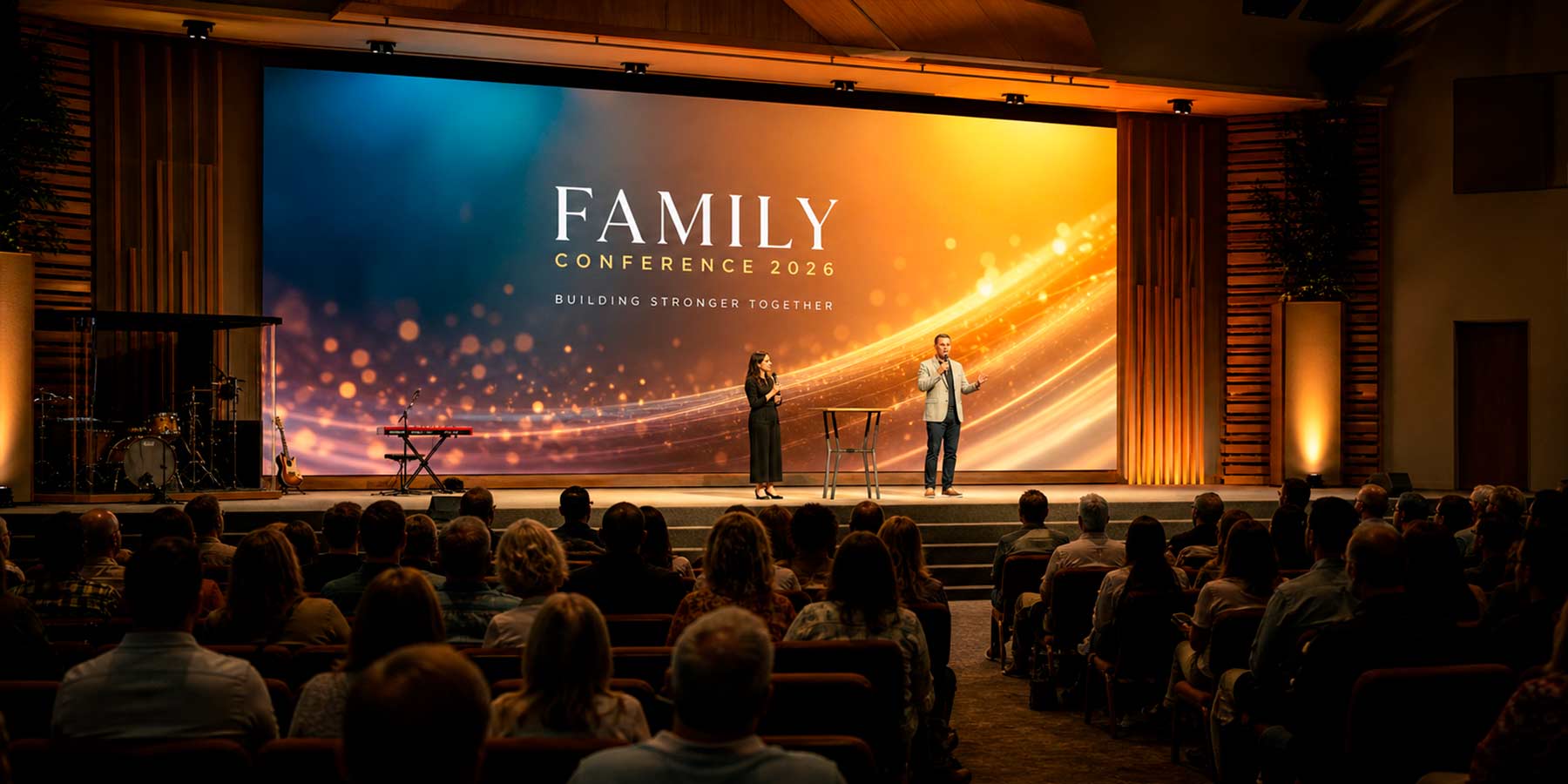
Refresh rate is essential when LED displays are used for live events, broadcasts, churches, conferences, or sports venues. A low refresh rate can create flickering, black lines, or distortion when people record with phones or cameras.
High-quality LED panels with a strong refresh rate deliver smoother motion and cleaner visuals, helping the content look professional both in person and on camera.
Brightness, Viewing Angle, and Real-World Visibility
Visibility depends on ambient light, viewing angles, and the environment. Outdoor LED wall projects, storefronts, and bright commercial spaces often require automatic brightness adjustment so the screen can stay visible during the day and reduce intensity at night.
A strong viewing angle is also important. In auditoriums, event venues, and large commercial spaces, people sitting off-center should still see clear color, contrast, and detail without a poor viewing experience.
Review the LED System Behind the Display
The Control System Matters More Than Many Buyers Think
The control system, video processor, and send card receive the video signal, process it, and distribute it across the display. Reliable brands such as NovaStar are often preferred in professional quotes because of their stability, color accuracy, and consistency.
If the quote does not mention the processor or control card specifications, that is a warning sign. Missing details can lead to synchronization issues, signal lag, or inconsistent color reproduction.
Inputs, Software, and Content Flexibility
A reliable system should support multiple inputs and sources, including computers, cameras, media players, streaming devices, and AV systems through HDMI, SDI, or DisplayPort.
It should also include easy-to-use management software. This allows your team to update content, schedule playlists, manage power settings, and make changes without needing advanced technical support every time.
Synchronous vs. Asynchronous Systems
For corporate events, concerts, trade shows, or temporary activations, renting LED screens offers flexibility. However, the quote must include more than the equipment itself. It should also reflect transportation, setup, operation, and technical labor.
Typical rental pricing may include:
Asynchronous systems store or receive content through a network and play it independently. They are often the best choice for digital signage, retail spaces, outdoor advertising, and permanent commercial installations where scheduled content is more important than live control.

Ask How the LED Wall Will Be Installed and Maintained
Installation methods can change the entire quote.
The installation method affects labor, engineering, hardware, safety requirements, and final cost. A floor-supported setup is very different from a flown system suspended above a stage.
Wall-mounted LED video walls work well for permanent indoor spaces, storefronts, lobbies, and corporate environments. They usually require structural review and custom framing.
Ground-supported LED display panels are common for events, retail activations, and temporary setups. They use secure bases and support structures to raise the system safely.
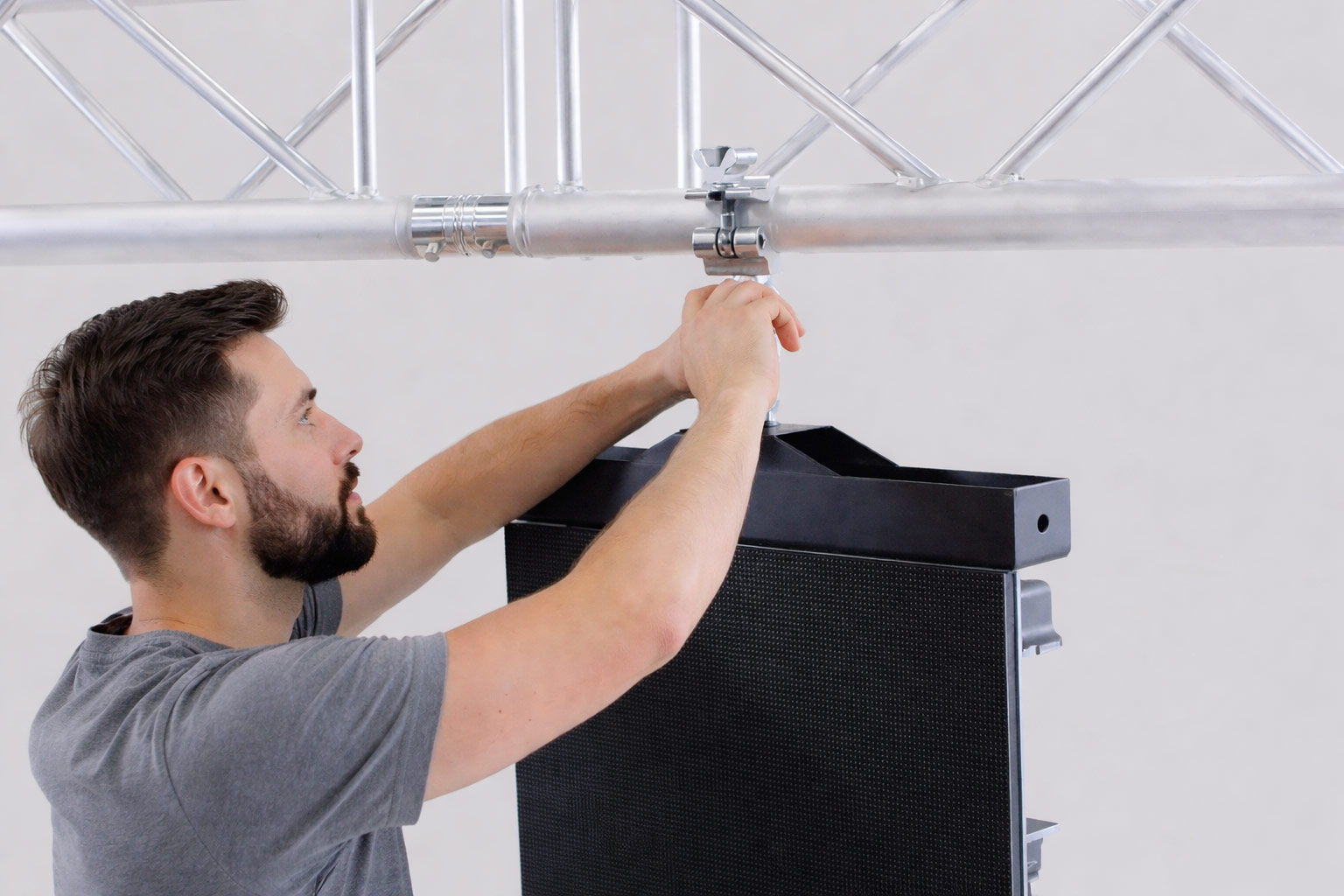
Flown systems are used for large stages, concerts, and major venues. They require truss structures, hoists, rigging hardware, and strict safety standards.
Each method affects setup time, labor requirements, and the overall quote, so it should be clearly explained before approval.
Maintenance access should be part of the decision.
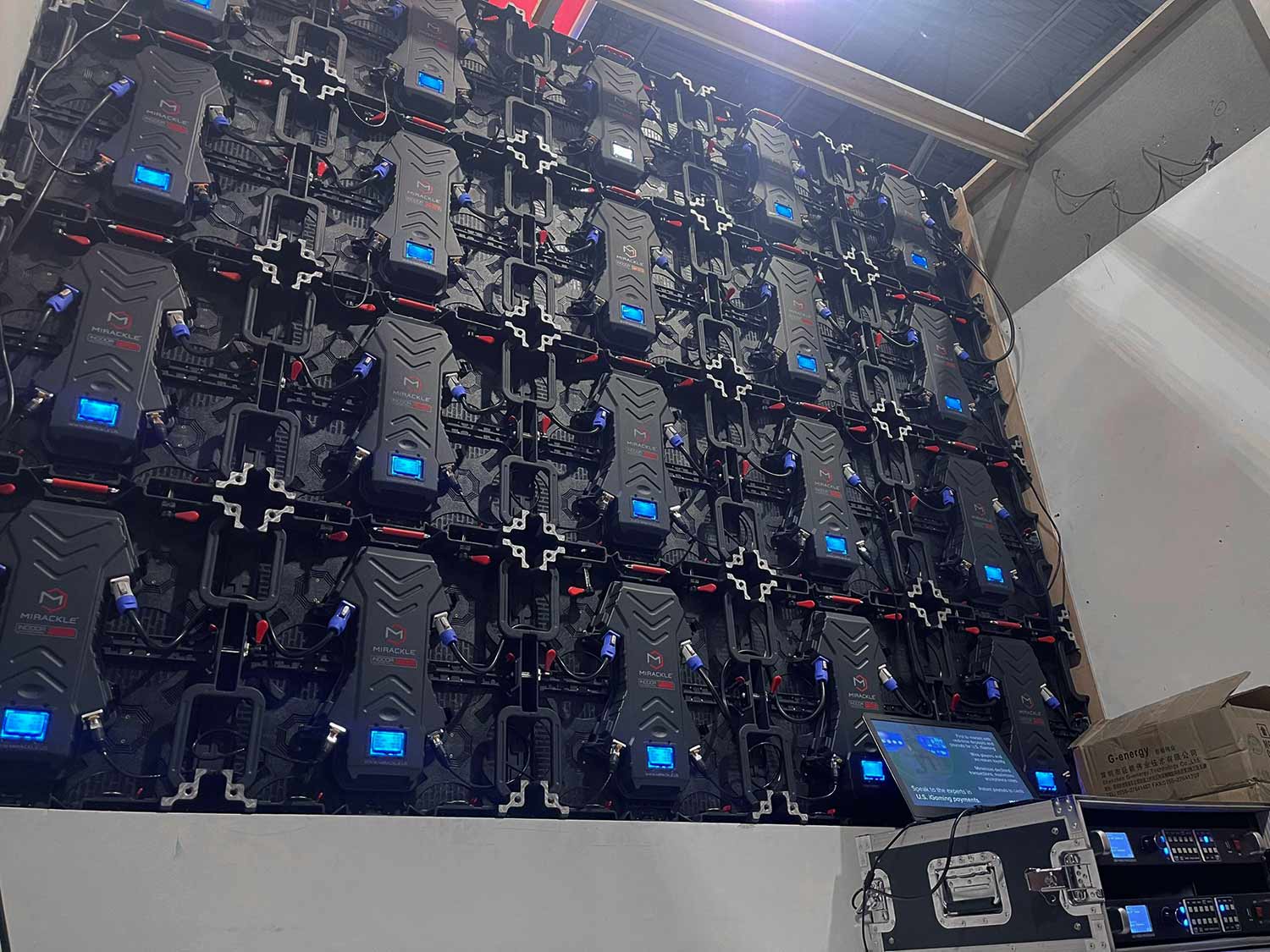
Maintenance has a major impact on long-term operating costs. Full front-service access and magnetic modules can make repairs faster and less disruptive.
With front-service access, a technician can remove a damaged module from the front using a magnetic tool. This avoids the need for large rear service aisles or dismantling major sections of the system just to fix one small issue.
Weight, structure, and logistics.
Cabinet weight affects transportation, labor, and setup speed. Lightweight aluminum cabinets are especially useful for rentals, trade shows, touring setups, and temporary stages because they reduce handling time.
A transparent quote should clearly state whether the final price includes:
- Freight and on-site delivery
- Assembly, disassembly, and technician travel
- Structural or electrical safety requirements
Protect Your Investment Before Signing the Quote
Warranty, support, and after-sales service
Never approve a proposal with vague service terms. A professional quote should clearly state the warranty period, technical support response time, spare parts availability, and replacement component policy.
For high-value commercial projects, a 5-year warranty is a strong indicator of confidence. It shows that the supplier stands behind the quality of its LED screens and that your business will not be left without support if a component fails.
Compare ROI, not just upfront cost
The real value of LED video walls is measured by their ability to create a return on investment. Instead of focusing only on the initial price, consider the medium- and long-term impact.
A quality system can help attract more customers, reduce printing costs, improve the visitor experience, support sponsorship opportunities, and create stronger visual impact for your brand.
A cheap system that fails often can hurt your ROI. A reliable one can protect your investment and create new business opportunities.
Red flags before approving a quote
Before accepting a proposal, review it carefully. Stop the process if you notice any of these warning signs:
- Missing components, such as the processor, send card, cabling, or software.
- Unclear installation details, including mounting method, delivery, or technical setup.
- No indoor or outdoor specification, which can lead to performance and durability issues.
- Missing warranty or spare parts information, especially for long-term use.
- A price that seems unusually low, compared with similar professional offers.
Final recommendation: Choose LED Market. Comparing quotes should not feel like decoding an endless spec sheet or guessing with your budget. The right partner should help you understand what is included, what matters, and which option best protects your project.
At LED Market, we understand the engineering, logistics, and business strategy behind every system. As a provider of LED displays, and complete rental and sales solutions, our team helps you review each detail with clarity and confidence.
Before making a decision, contact LED Market for transparent guidance, professional support, and a solution tailored to your real budget, space, and business goals.