How to Choose the Right LED Wall Size for Your Room, Stage, or Venue
Choosing the right display size should not begin with a tape measure or the largest option your budget allows. It should begin with the audience’s point of view: How will the image look from the nearest seat, the back row, and the side of the room? Even advanced LED technology can underperform when the scale does not match the space.
A screen that is too small loses impact, while one that is too large can overwhelm the front rows, strain sight lines, or interfere with lighting and staging. The best dimensions balance visibility, comfort, architecture, and content so the installation feels intentional rather than forced.

Start With the Space, Not the LED Screen
Room Shape Changes the Right Size
A long boardroom, a fan-shaped auditorium, a theater with balconies, and an open-air venue require different proportions. Before selecting LED display panels, review the ceiling height, room depth, audience layout, traffic flow, and viewing angles. The room’s geometry should guide the format, not the other way around.
In narrow spaces, a wider format may improve visibility without adding unnecessary height. In deep venues, additional height can help content remain legible from the back. The goal is a clear, comfortable image for every viewer—not simply filling an empty wall.
The Screen Should Feel Integrated
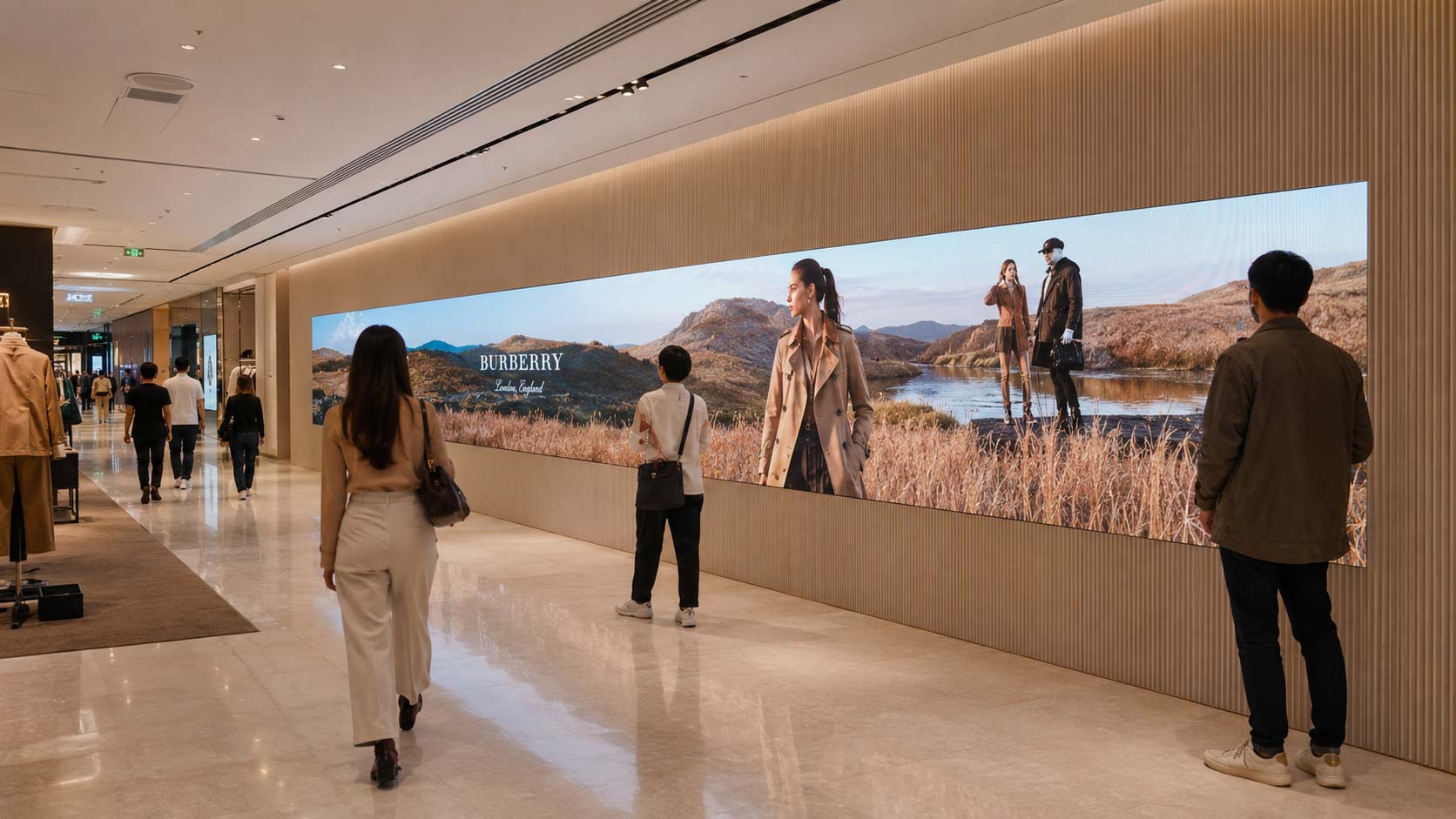
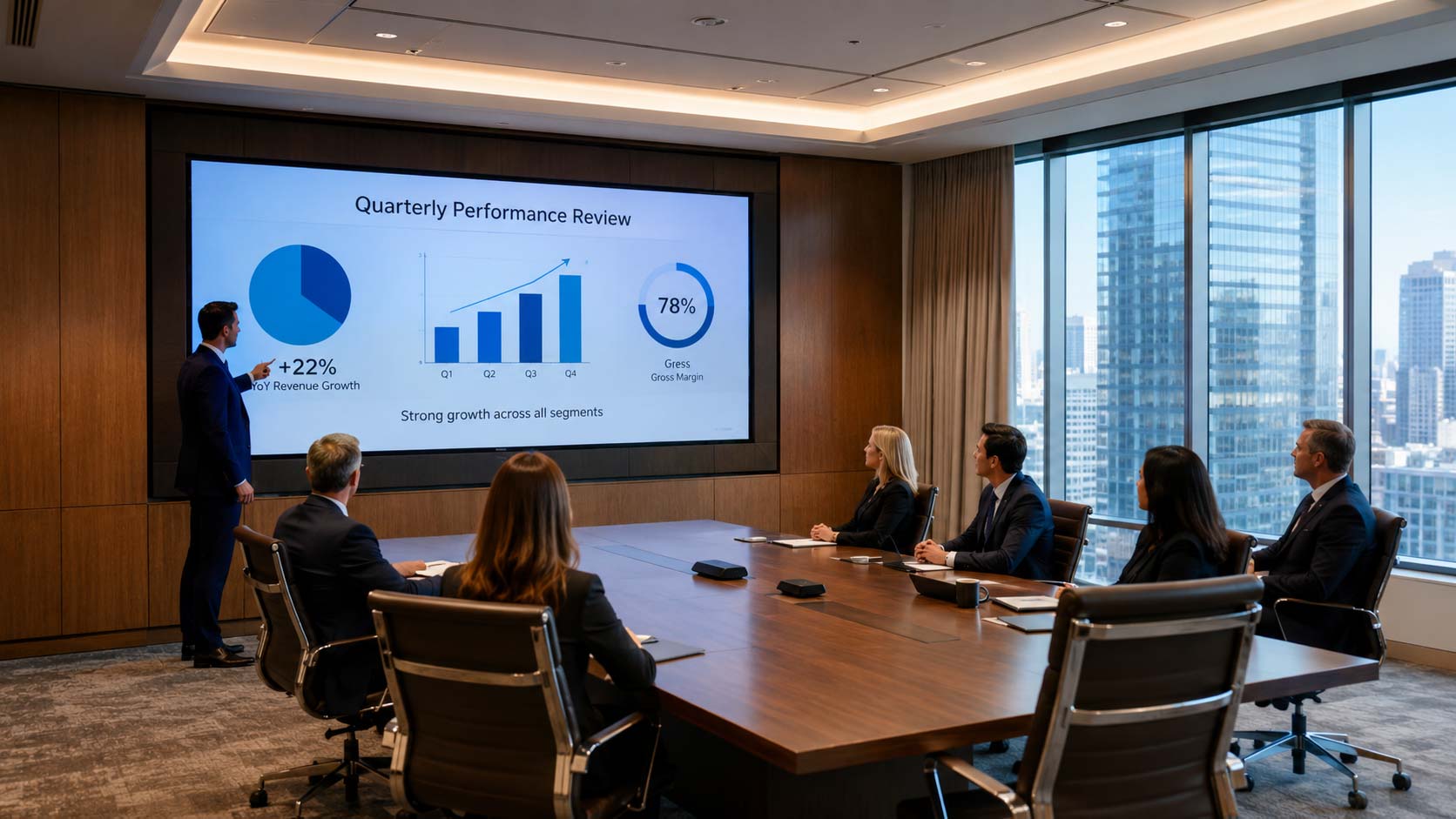
LED walls should look like part of the environment. In a corporate room, that often means a clean, recessed installation that supports presentations without dominating the space. On a stage, the display should work naturally with lighting, speakers, performers, and scenic elements.
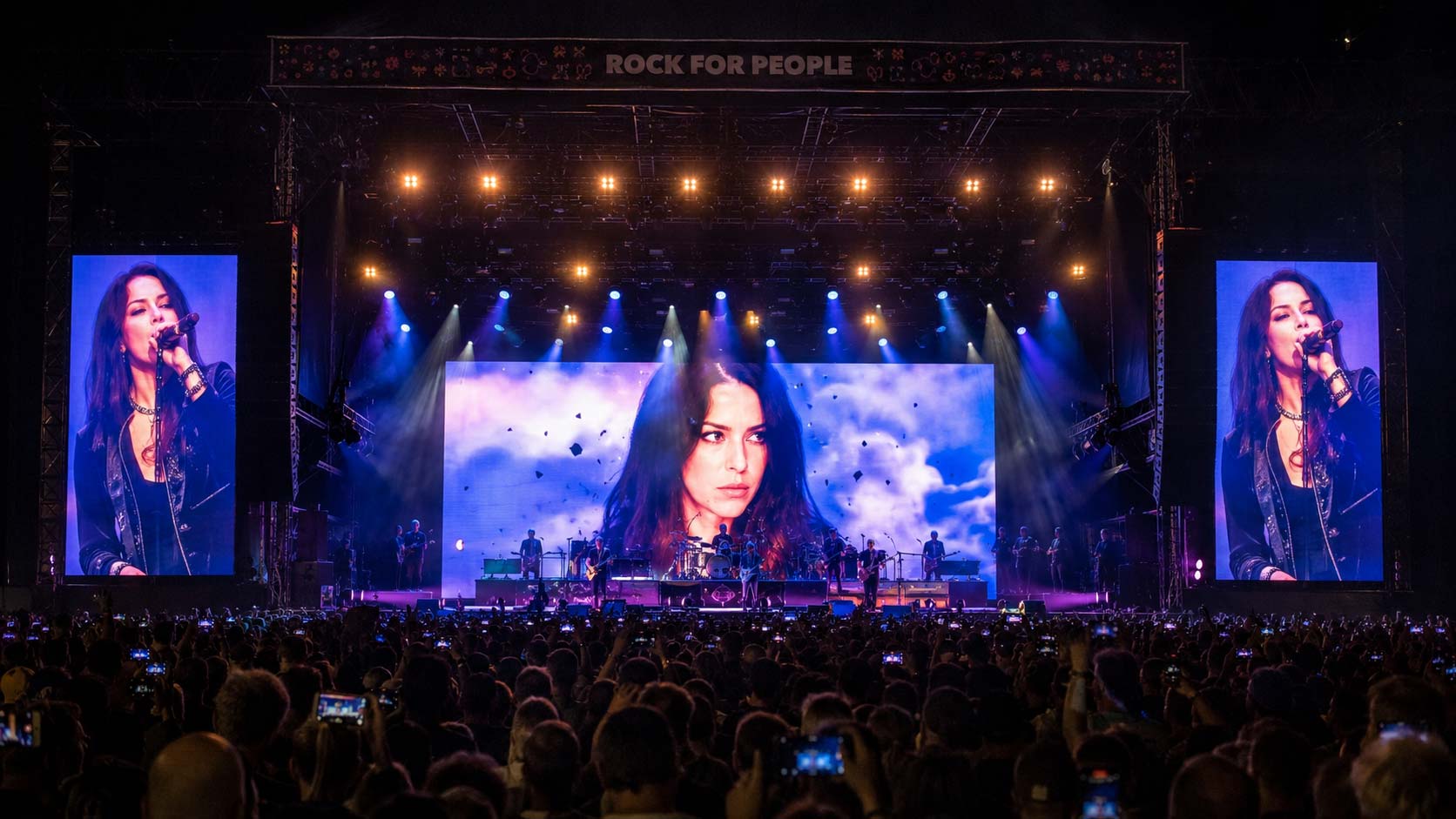
In large venues, LED screens often serve as the main visual anchor. Their scale should create impact without disrupting the architecture or the live experience. A well-integrated installation feels purposeful from every viewing position.
Measure What People Actually See
Available wall space is only one part of the calculation. Columns, balconies, trusses, speakers, lighting fixtures, furniture, and camera platforms can all create blind spots. Measure the usable field of view, not just the wall’s width and height.
Walk through the room from several positions before finalizing the design. Check the first row, farthest seat, side sections, entrances, and standing areas. This review often reveals visibility issues that are easy to miss on architectural plans.
Match LED Display Size With Viewing Distance
Close Audiences Need Better Proportion
When viewers are close to LED displays, bigger is not always better. An oversized image can force people to move their heads to follow the content, creating discomfort during long presentations, services, or events. The display should feel immersive, not exhausting.
Close viewing also requires the correct pixel pitch. Increasing the physical size without matching the resolution to the viewing distance can make individual pixels visible and reduce image quality. Size and pixel pitch should always be evaluated together.
Larger Venues Need Visual Reach
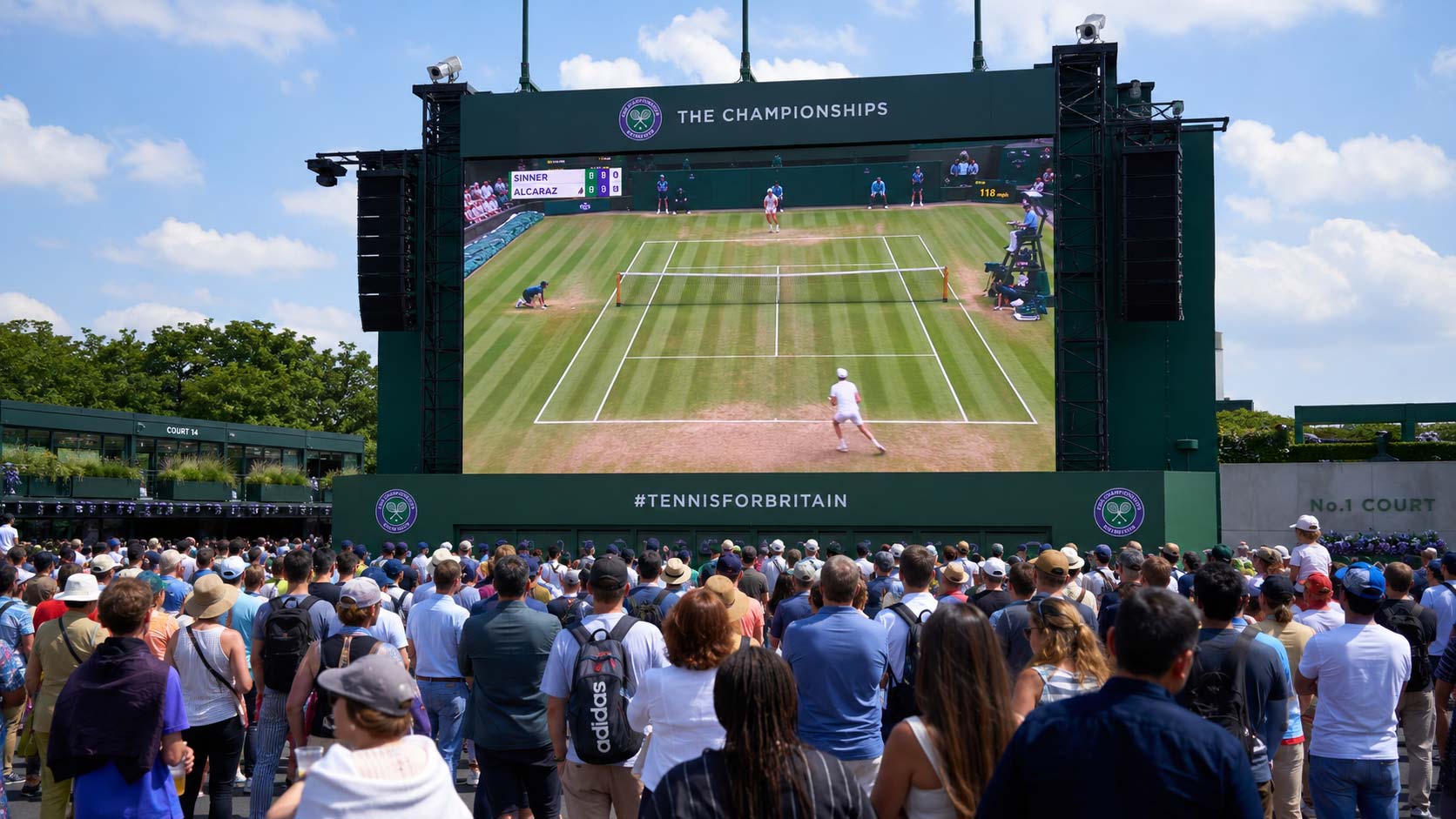
In churches, gymnasiums, auditoriums, concert halls, and convention centers, the back row becomes the priority. LED video walls must be large enough for text, faces, graphics, and live camera feeds to remain clear at a distance.
Judge the screen from the farthest practical viewing point. If people in the back cannot read key information or recognize facial expressions, the installation is undersized, regardless of how impressive it looks near the stage.
A Simple Viewing Distance Checklist
Before choosing the final dimensions for LED panels, answer these practical questions:
- Distance to the first row: Is the image comfortable to view without excessive head movement or visible pixel structure?
- Distance to the last row: Will text, faces, and important details remain clear?
- Content type: Will the system show small text and charts, or mostly large visuals and video?
- Audience behavior: Will viewers be seated, standing, walking, or moving between areas?
- Viewing angle: Will the image be seen only from the front or from wide side positions?
These answers help define the appropriate width, height, mounting position, and resolution before equipment is ordered.
Think About Content Before Choosing LED Wall Dimensions
Text Needs More Space Than Background Visuals
Abstract graphics, ambient animation, and scenic video can remain effective with fewer fine details. Price menus, financial charts, lyrics, captions, and speaker names require more usable resolution and stronger legibility. Design for the most demanding content you expect to show.
This does not always mean choosing a larger screen. In some cases, a finer pixel pitch, simpler layout, or larger typography delivers a better result. Content testing should happen early, not after installation.
Stage Screens Must Support the Performance
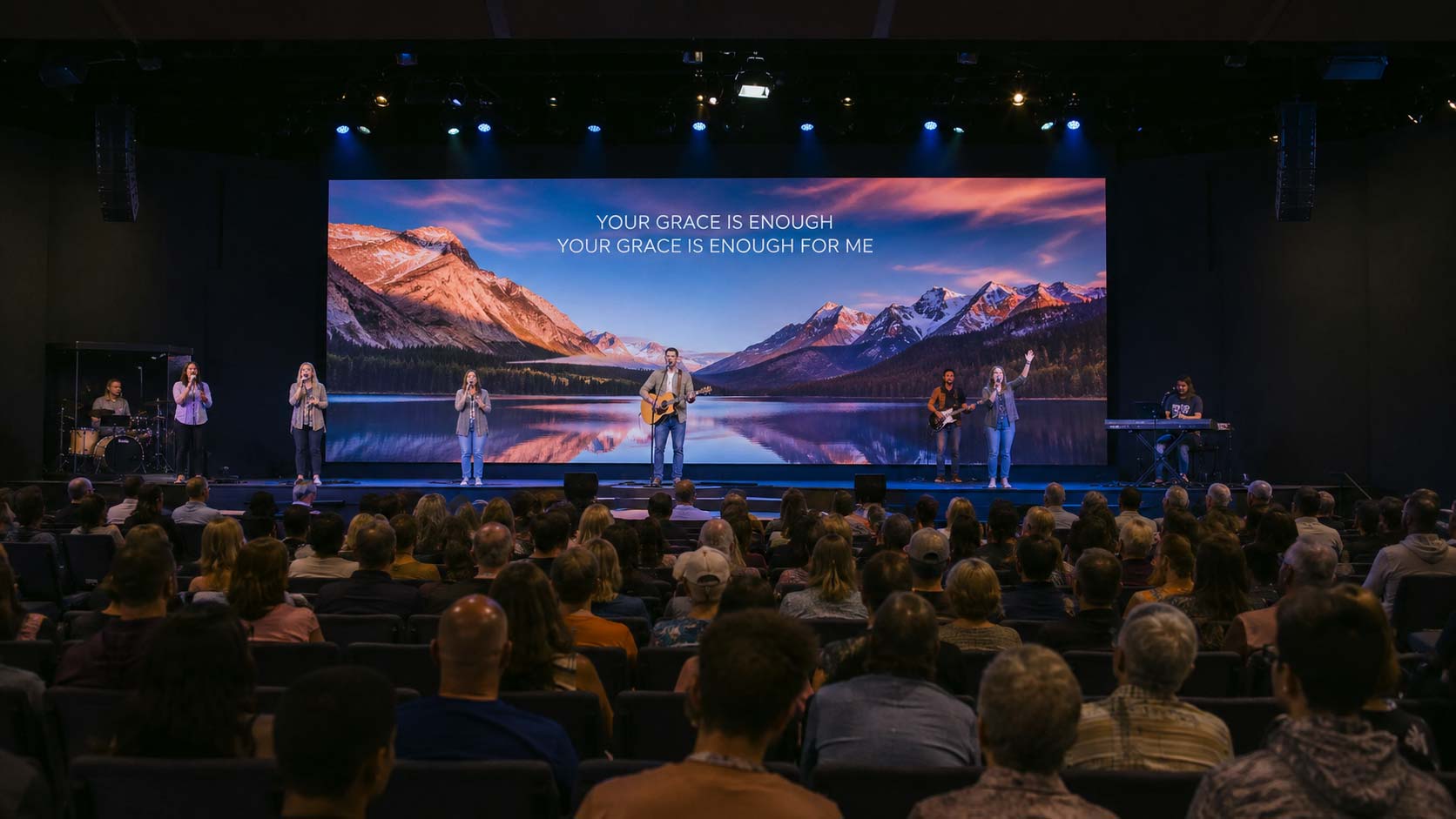
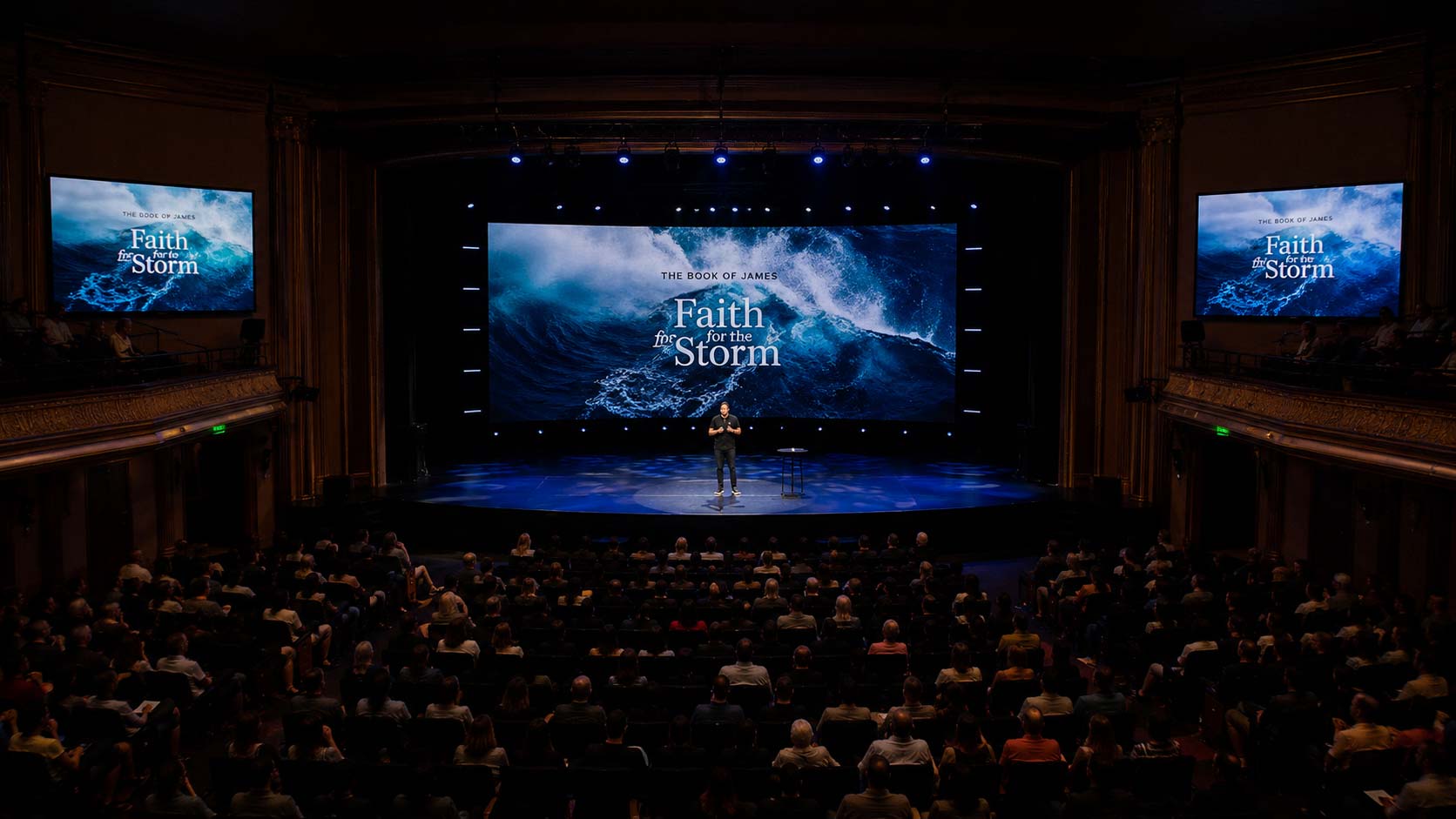
LED display panels for houses of worship and stages should enhance the people and activity in front of them. A backdrop must create visual depth without overpowering performers, while side displays should make faces visible to distant viewers. The technology should strengthen the performance, not compete with it.
The right arrangement depends on the event format. A single focal screen may suit presentations, while separate side units can work better for live camera feeds. Modular LED devices also allow the layout to change for different productions.
Camera Use Can Change the Decision
When a display will appear in livestreams, television recordings, or social media content, evaluate it through both human eyes and camera lenses. Poor sizing or placement can create awkward framing, reflections, or an unbalanced background.
Technical performance matters as well. A high refresh rate, controlled brightness, and a professional video processor help prevent flicker, scan lines, and unstable exposure on camera. For broadcast applications, the final decision should include camera tests whenever possible.
Plan the LED Screen Installation Around the Final Size
Wall-Mounted, Ground Support, or Flown
The mounting method affects the maximum safe size and the space required around the system:
- Wall-mounted: Best suited to permanent installations where the wall can support the total load and allow proper service access.
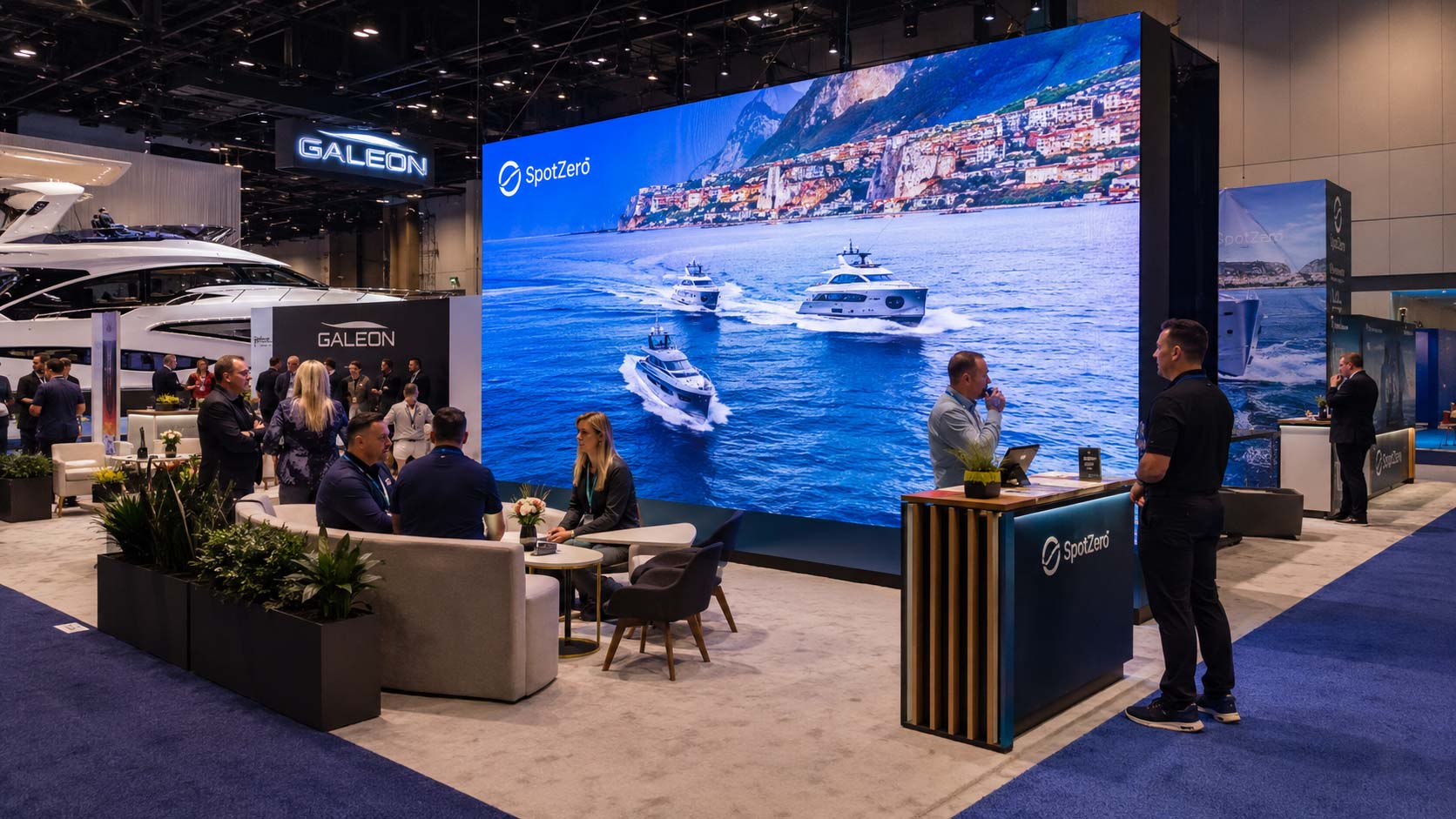
- Ground support: Common for stages and trade shows, but requires floor space for bases, frames, and ballast.
- Flown: Effective in arenas and large venues, with size limited by roof capacity, rigging points, motors, and structural engineering.
For temporary LED solutions, setup time, transport access, and venue restrictions should also influence the final dimensions. Safety and structural limits must be established before visual scale is approved.
Access for Service Should Not Be an Afterthought
Larger systems require a practical maintenance plan. If there is little or no rear access, front-service components may allow technicians to replace modules and internal parts without dismantling the entire structure.
Serviceability affects downtime, labor, and long-term operating costs. Confirm access requirements, spare-part availability, ventilation, and cable routes before installation begins.
Indoor and Outdoor Size Decisions Are Different
Indoor LED screens are usually viewed from shorter distances, so proportion, fine detail, and comfort take priority. The display must also fit around ceilings, furniture, doors, and circulation areas.
Outdoor LED walls compete with daylight, architecture, traffic, and longer viewing distances. They generally need greater physical scale, higher brightness, and weather-resistant construction. Outdoor visibility depends on both size and environmental performance, not size alone.
Balance Impact, Budget, and Long-Term Value
A larger system increases visual presence, but it also raises structural, electrical, processing, installation, and maintenance requirements. The right size is the smallest configuration that fully achieves the communication goal from every important viewing position.
Well-planned LED video walls can attract attention in retail spaces, improve participation in churches, strengthen production value at live events, and make corporate presentations easier to follow. Their value comes from function and visibility—not from occupying the greatest possible area.
Before purchasing or renting LED panels, compare audience distance, content, brightness, sight lines, service access, and structural limits as one complete system. At LED Market, we help clients evaluate these factors and select LED displays that fit the room, stage, venue, and long-term use. The result is a clearer, more efficient investment built around how the space will actually perform.
Have an idea in mind? We turn it into a high-impact website.