
How LED Display Panels Are Evolving in 2026
Although 2026 has just begun, it is already proving to be a turning point in how LED display panels are integrated into commercial environments. The conversation is no longer just about visibility. It’s about meeting higher expectations from audiences, brands, and operators who now see visual communication as central to the experience, not just a supporting element.
Companies investing in LED video walls are prioritizing flexibility, efficiency, and systems that evolve alongside their projects. Modern spaces are hybrid, fast-paced, and content-driven. As a result, LED displays must operate reliably across shifting formats, live productions, retail campaigns, and corporate environments. This shift is redefining how LED screens are designed, controlled, and managed.
Automation, artificial intelligence, energy optimization, and intelligent content control are no longer optional enhancements. They are part of the strategic evaluation process.
The evolution of LED walls in 2026 is practical, not theoretical. It is visible in smarter systems, more efficient workflows, and LED solutions engineered to deliver measurable ROI rather than temporary visual impact. Choosing advanced LED technology today means thinking about scalability, long-term compatibility, and the ability to adapt to future visual demands.
This guide explores how LED panels are evolving in 2026, which trends are leading the industry, and what businesses should consider when planning their next installation.
Our professional installation team ensures that your LED display is properly integrated and optimized for maximum performance.
Modern LED Walls: More Than Just Brighter Screens
The evaluation criteria for LED walls have changed. A system that looks impressive in a demo is no longer enough. Buyers now assess how LED display panels perform under real operational conditions; during long events, peak retail hours, or high-pressure corporate presentations.
From Visual Impact to Real-World Performance
Visual quality still matters, but performance consistency now carries equal weight. An LED screen must maintain resolution, brightness stability, and color accuracy over extended use. When systems fail to deliver consistent output, hidden costs appear: technical interventions, downtime, and compromised content delivery.
Today’s decision-makers prioritize reliability. Retailers, event producers, and corporate teams want LED displays that function predictably in dynamic environments. True quality is measured by daily performance, not showroom impressions.
Why Adaptability Matters More Than Ever
Commercial spaces change constantly. Retail campaigns rotate weekly. Venues transition from daytime conferences to evening productions. Corporate environments alternate between live meetings and streamed events. A rigid system quickly becomes a limitation.
Modern LED video walls incorporate adaptive brightness control, streamlined content management, and compatibility with hybrid setups. The goal is not feature overload, but operational flexibility. Intelligent LED technology simplifies usage rather than complicating it.
The evolution of LED panels is about removing friction; ensuring the system adapts to the environment, not the other way around.
Smarter LED Technology Is Shaping the Way Displays Are Used
In 2026, LED technology functions as intelligent infrastructure. Today’s LED devices do more than display content; they integrate, synchronize, and self-regulate to support continuous operation.
When LED Systems Think Ahead
Advanced control platforms, professional video processors, and sending cards ensure synchronization and precision. Systems powered by platforms such as NovaStar allow centralized management, real-time adjustments, and stable performance even in complex installations.
Artificial intelligence enhances practical functions such as automatic brightness calibration, energy consumption optimization, and predictive monitoring. Instead of reacting to problems, modern LED display panels anticipate conditions and correct them proactively.
The result is operational stability, fewer interruptions, and a consistent visual experience throughout the lifespan of the installation.
Synchronous and Asynchronous Setups Explained Naturally
Synchronous configurations allow multiple LED screens to display identical content in real time, which is essential for live productions, product launches, and immersive environments.
Asynchronous systems enable independent scheduling and content distribution across different zones. This approach is common in retail environments, corporate campuses, and multi-area venues where varied messaging is required.
Many projects now combine both approaches within a single LED wall infrastructure. This flexibility transforms LED displays into dynamic communication platforms capable of adapting to context and content demands.
Seamless Integration Is Becoming the Standard
Integration is no longer a competitive advantage; it is an expectation. Buyers assume that LED display panels will integrate smoothly with existing technologies from day one.
One Screen, Multiple Technologies Working Together
Modern LED screens operate within connected ecosystems. They must accept multiple input sources, integrate with content management software, and coexist with audiovisual systems, broadcast tools, and data platforms.
When compatibility is missing, operational challenges follow: restricted scalability, premature replacements, and creative limitations. In contrast, integrated custom LED wall solutions accelerate workflow, reduce errors, and allow teams to operate with familiar tools.
Compatibility is not just technical… It protects long-term investment.
Why Long-Term Value Matters More Than Upfront Cost
As systems become more interconnected, decision-making shifts from initial price to long-term value. Durability, energy efficiency, reduced maintenance, and adaptability to future formats define true ROI.
High-quality LED panels minimize downtime, reduce risk, and remain relevant as content standards evolve. The objective is not simply purchasing a screen; it is building scalable visual infrastructure.
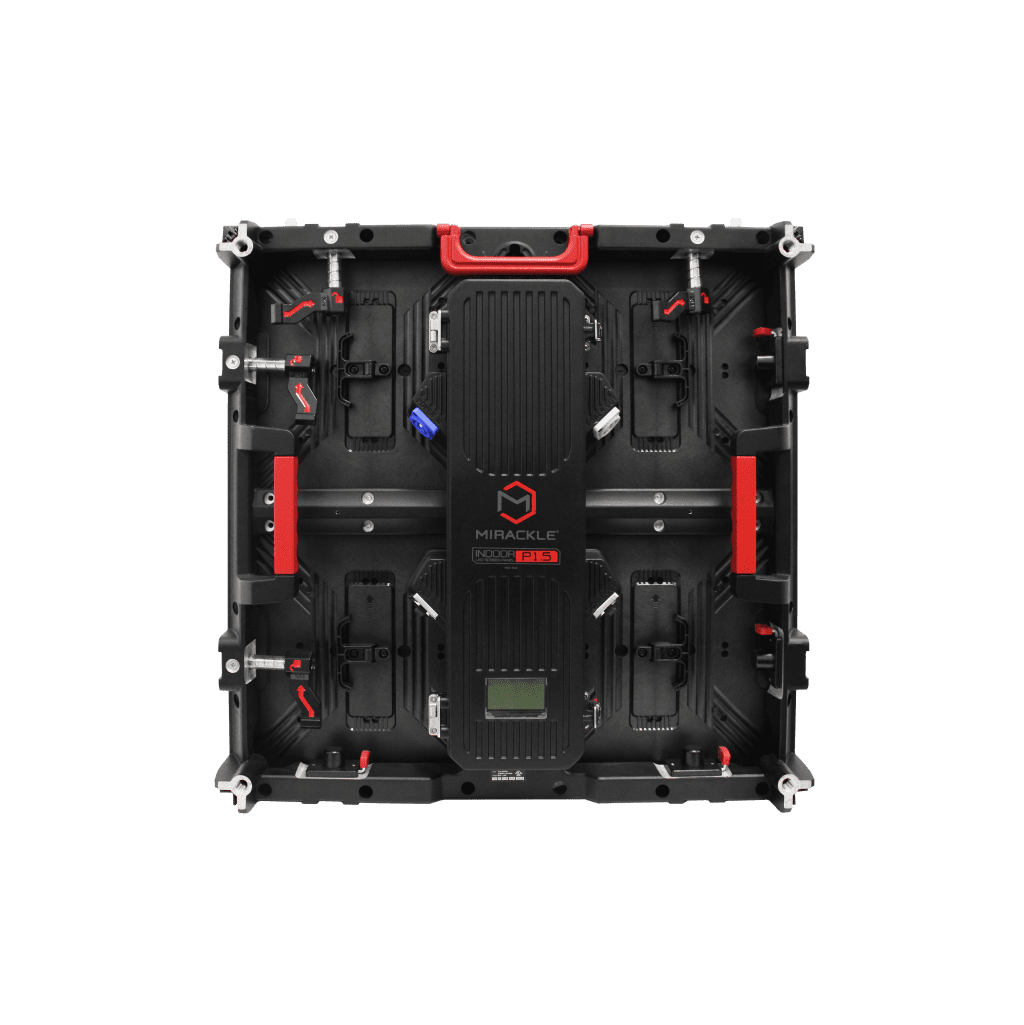
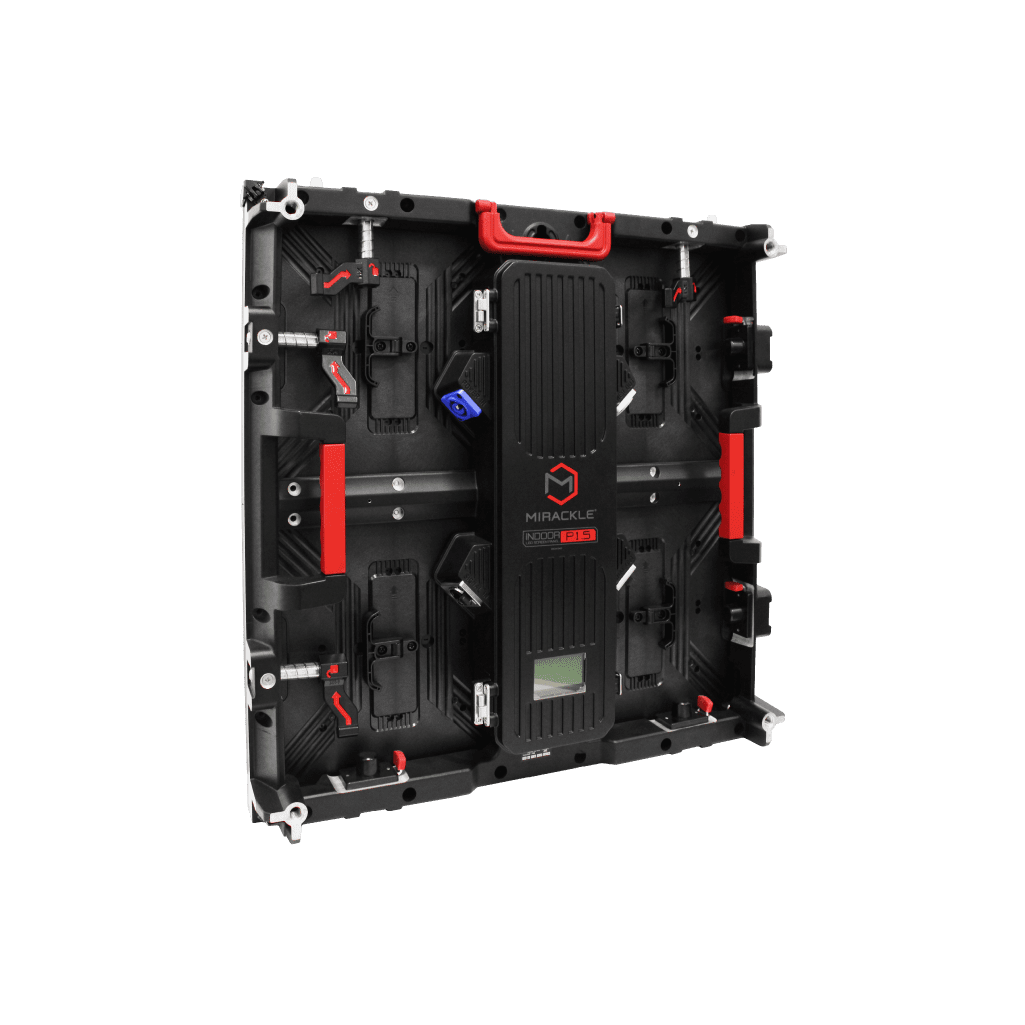
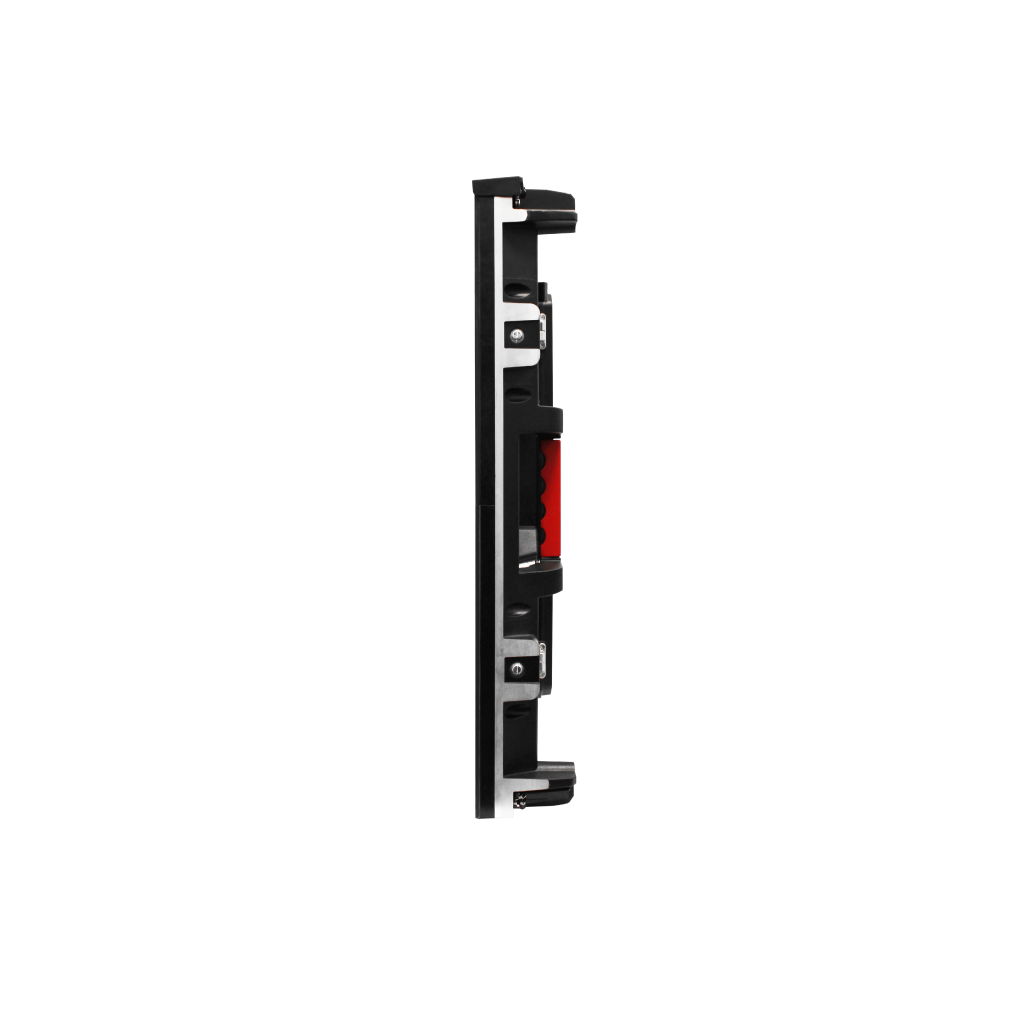
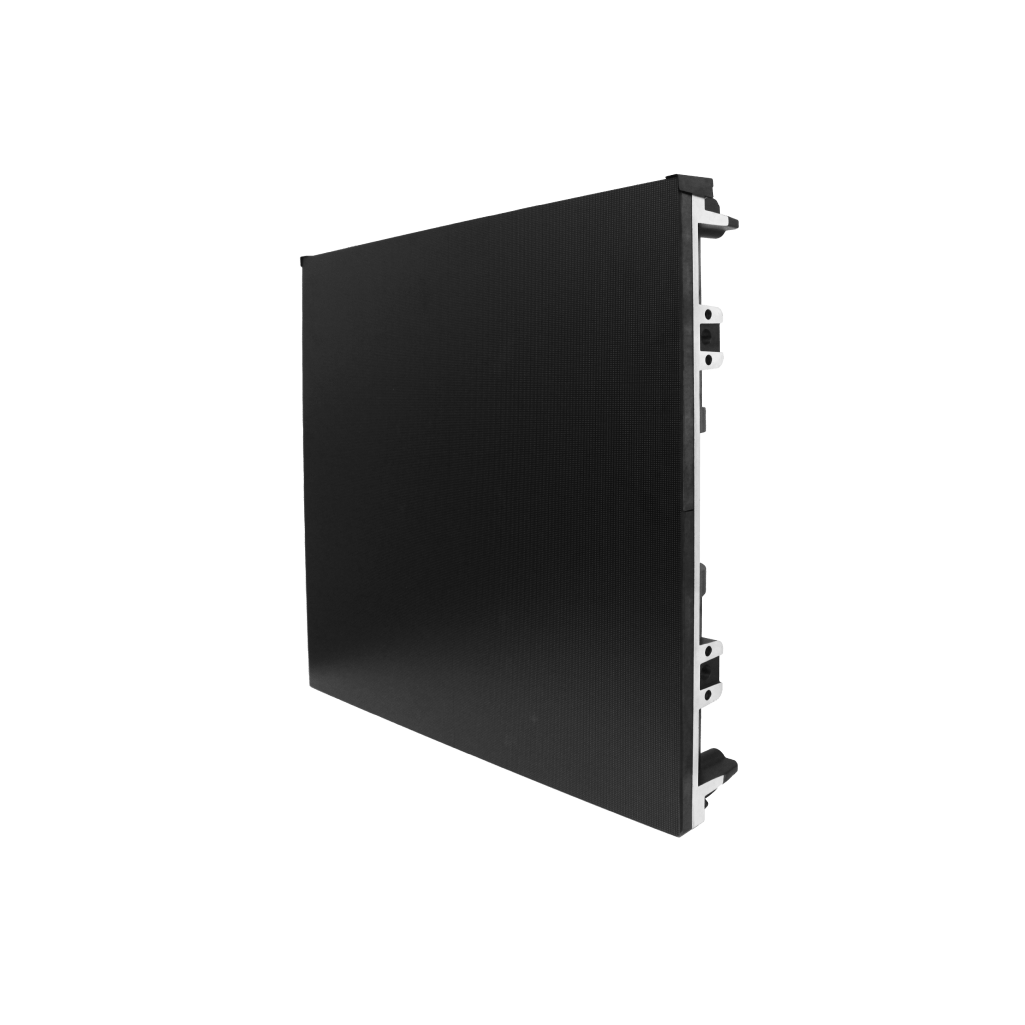

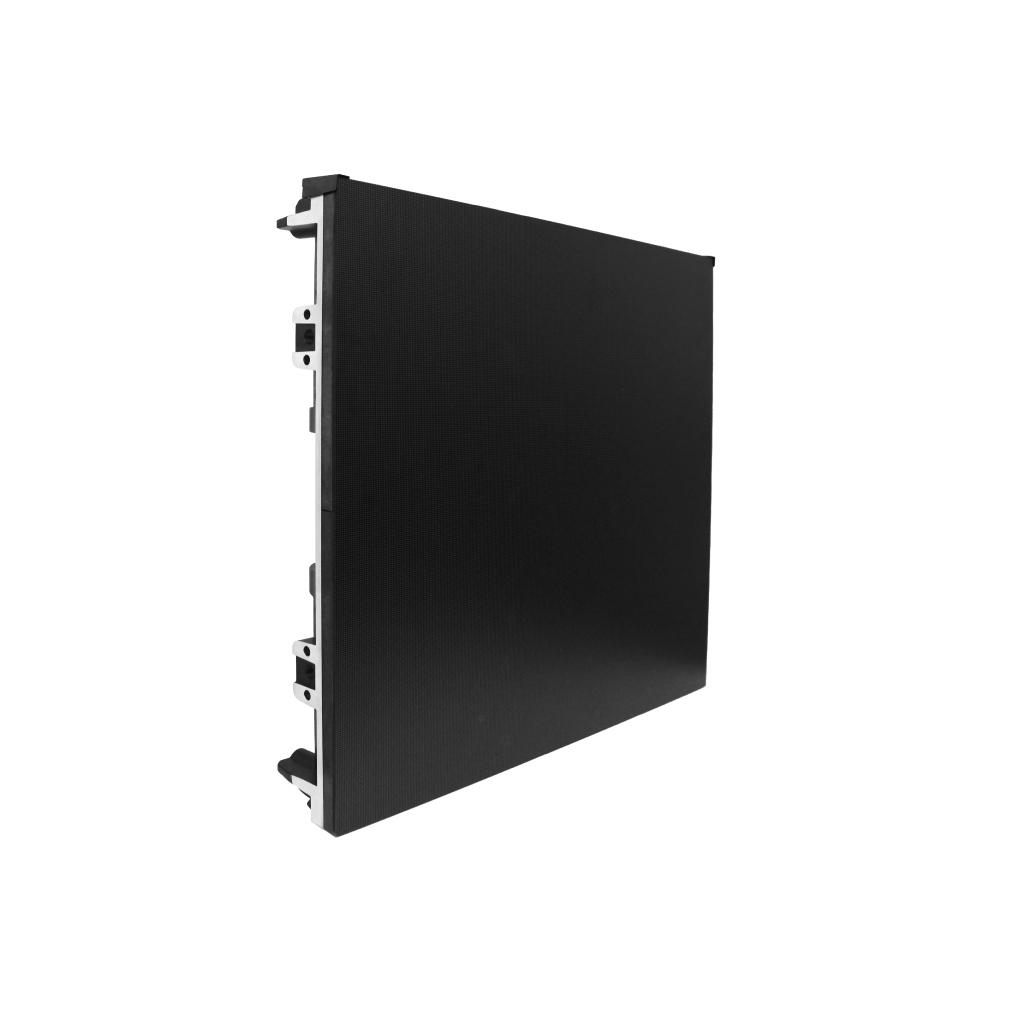
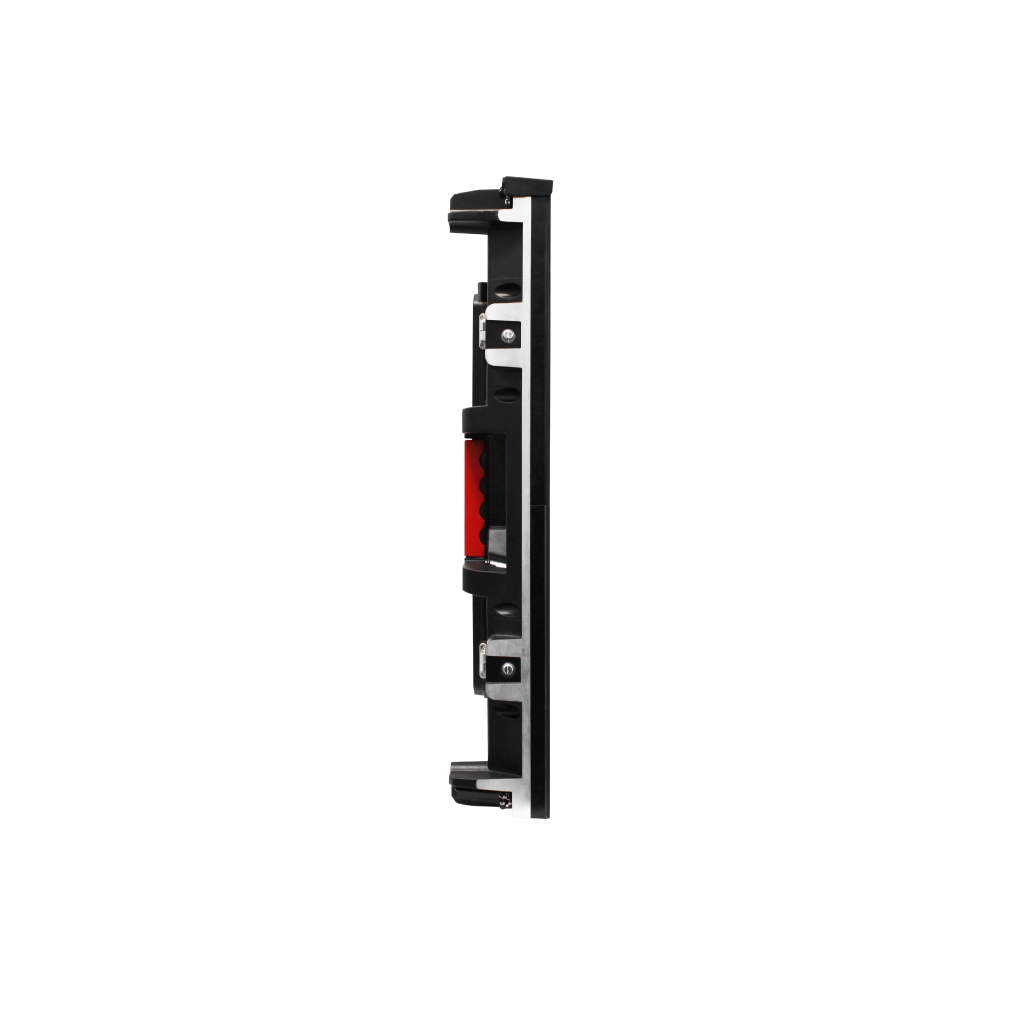
LED Market stands out as the strategic partner for festival organizers. Our mobile LED solutions combine cutting-edge technology, reliability, and exceptional support to elevate every event into a visually unforgettable experience.
What These Trends Mean for Businesses in 2026
The evolution of LED screens directly influences how companies communicate, compete, and differentiate themselves.
Better Experiences for Audiences and Customers
Poor visual execution is immediately noticeable. Inconsistent brightness, unclear messaging, or uncoordinated content undermines engagement. In contrast, intelligent LED video walls create structured, impactful communication. Well-implemented LED walls guide attention rather than compete for it. The outcome is stronger engagement, improved retention, and clearer message delivery.
Smarter Decisions for Long-Term Projects
Strategic investment in LED displays requires forward thinking. Integration, scalability, and compatibility must be evaluated at the outset. Postponing this assessment often results in rigid systems that limit growth. Organizations choosing adaptable LED display panels reduce risk, protect capital, and maintain flexibility as formats evolve. In 2026, LED technology is no longer a tactical expense — it is a strategic asset.
Staying Ahead in a Rapidly Evolving LED Market
Every project has unique objectives. Selecting the right LED solutions provider determines whether a system delivers lasting value or operational constraints.
Why Choosing the Appropriate Partner Matters
Beyond specifications, successful LED projects require planning, system design, and installation strategy. Installation methods (whether ground-supported, wall-mounted, or flown) influence structural integration, service access, and long-term usability.
Modern projects demand future-ready infrastructure, modularity, and compatibility with emerging technologies. A qualified partner anticipates these needs and prevents costly limitations.
How LED Market Keeps Evolving With the Industry
LED Market positions itself as a strategic partner for businesses investing in LED video walls. The company combines industry knowledge, ongoing training, and forward-looking system integration to ensure projects remain current and scalable.
From initial consultation to implementation and ongoing support, LED Market provides structured guidance designed to extend the lifespan and performance of LED screens across diverse commercial applications.
In a market defined by rapid evolution, long-term success depends on selecting both the right LED technology and the right partner. When both align, the result is not simply an installation; it is a durable investment in visual communication infrastructure.
Make it seen. Make it unforgettable. Make it LED Market.