
GOB vs. SMD LED Panels: Is a Protective Coating Worth the Extra Cost?
Choosing LED technology involves more than resolution, brightness, and refresh rate. The surface also needs to survive real-world use—from installation and cleaning to repeated handling. For LED wall packages, exposed components can become a maintenance concern long before image quality declines.
GOB (Glue-on-Board) adds a protective resin coating to conventional SMD (Surface-Mounted Device) modules. Whether that extra protection is worth the cost depends on how the system will be used. The coating increases upfront expenses and may complicate repairs, so the best option depends on how often a system is moved, touched, or exposed to environmental hazards.

The Real Difference Appears When Someone Touches the LED Screen
Conventional SMD Leaves More of the Display Surface Exposed
On conventional SMD LED display panels, packaged diodes are soldered to a printed circuit board (PCB) and remain exposed at the front. This design delivers reliable image quality and straightforward serviceability in controlled settings, but vulnerable pixels can be damaged by direct contact.
GOB Adds a Barrier Between the LEDs and the Real World
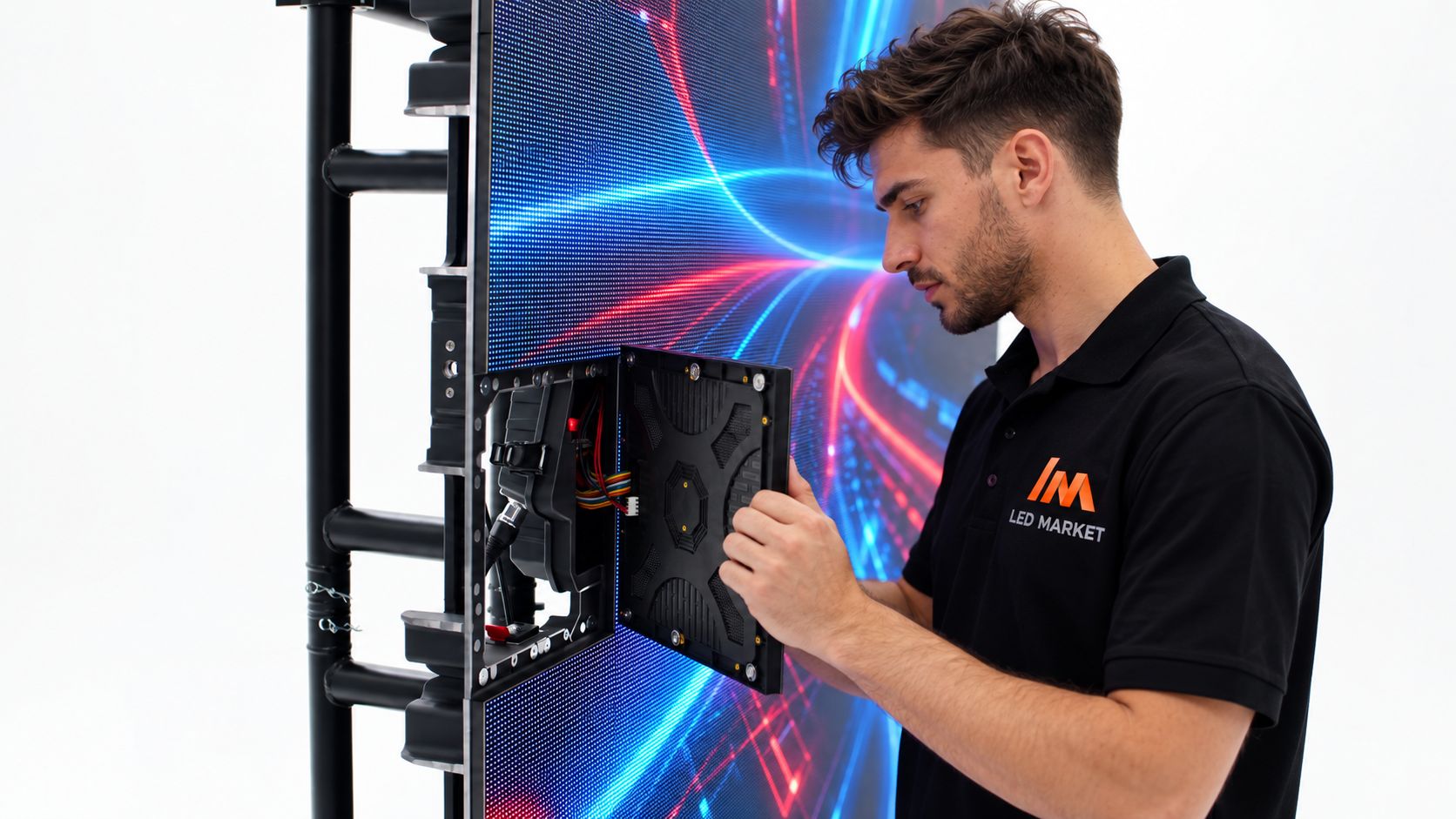
GOB applies clear resin over the SMD surface, helping shield LED devices and solder connections from minor impacts, dust, and moisture at the front face. It is a protective treatment—not a replacement for SMD or a guarantee of waterproofing. Before purchasing LED panels, ask whether individual pixels can be repaired or a full module must be replaced.
Fine Pixel Pitch Makes Physical Protection More Important
With tighter pixel spacing, more components occupy the same area, and viewers often stand closer. That can increase the value of impact protection, especially for LED screens positioned within reach. Pixel pitch alone, however, is not a reason to pay more for GOB.
Consider What the LED Video Wall Needs to Withstand, Not Just What It Will Display
A Corporate Lobby and a Rental Stage Have Very Different Operational Realities
A fixed corporate installation and a rental stage face different demands. LED walls installed high in a lobby may need little physical protection after setup. Rental systems, by contrast, endure shipping, fast load-ins, and repeated assembly. Frequent handling makes damaged pixels—and replacement costs—more likely.
Public-Facing Displays Have a Different Risk Profile
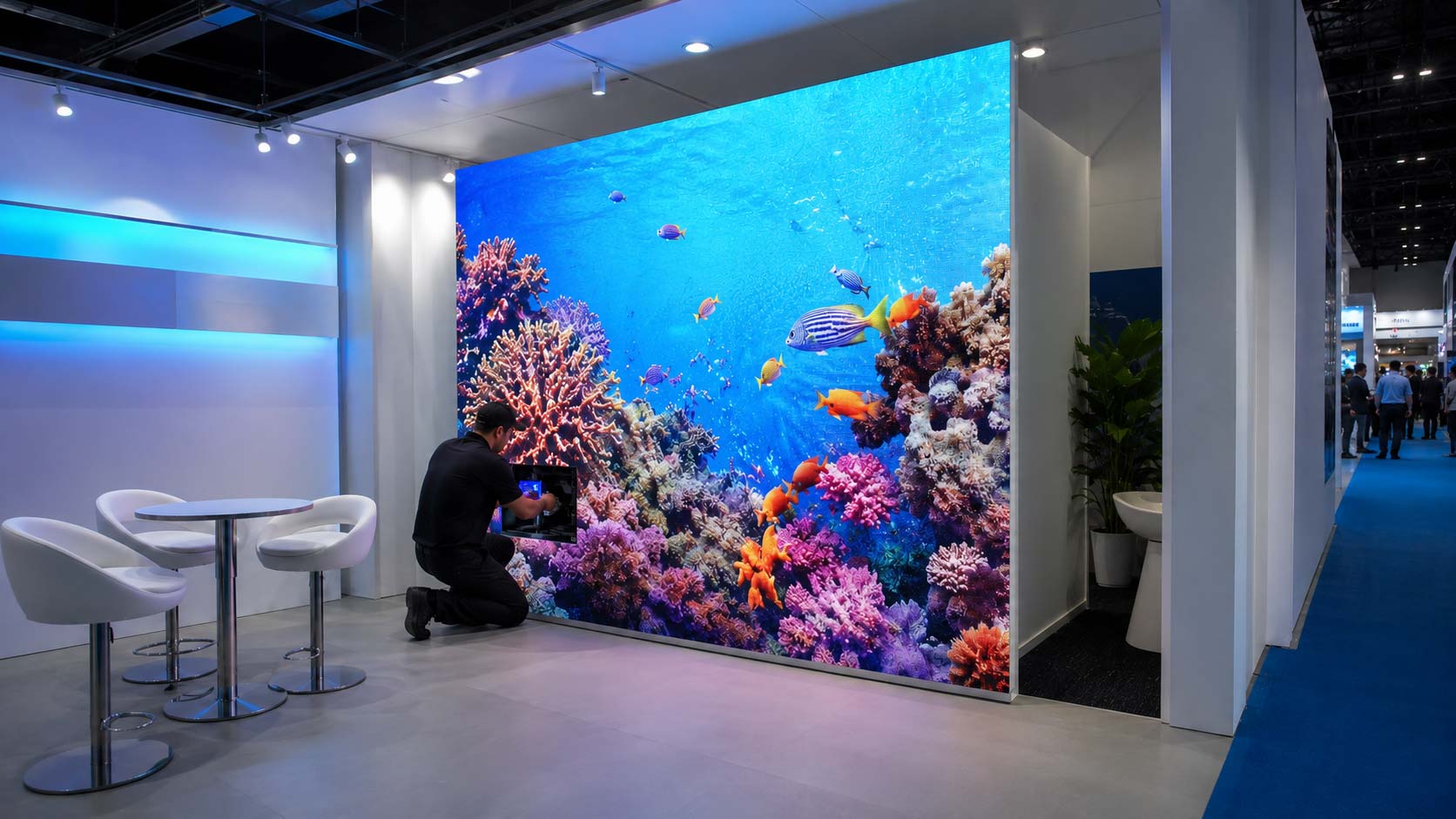
In retail stores, schools, museums, and interactive spaces, LED displays often sit close to visitors. With viewers within arm’s reach, accidental contact is difficult to prevent. Even permanent installations may benefit from GOB when the display is accessible to the public.
Outdoor Protection Goes Beyond GOB
GOB protects the front surface, but it does not make an indoor product suitable for outdoor use. Outdoor LED video walls require an enclosure and components rated for actual exposure, including sealed connectors and a suitable ingress protection (IP) rating. Check whether a stated IP65 rating applies to the full cabinet or only its front.
Installation Method Changes the Type of Abuse a Panel Receives
How a LED wall support system is mounted also shapes its risks. Suspended equipment is handled during rigging; floor-standing units face foot traffic and rolling cases; elevated wall-mounted LED display panels are usually touched only during service. Mounting height and handling frequency help determine where added protection is worthwhile.
Protection Can Change More Than Durability
The Coating Becomes Part of the Optical Surface
GOB resin influences how light exits the pixels, so optical performance matters alongside durability. Depending on the formulation, it can change glare, perceived contrast, brightness, color consistency, and viewing angles. Poorly applied coatings may also cause haze or uneven reflections.
Compare the Finished Display, Not the Technology Label
Don’t assume GOB looks better or SMD looks worse. Compare finished products under the same lighting conditions, checking brightness, black levels, color uniformity, low-grayscale detail, and unwanted reflections. Request a side-by-side demonstration before choosing LED screens for applications where image quality is critical.
Choose the Surface Technology Based on Project Risk
When Conventional SMD Can Be the Practical Choice
Traditional SMD is often the practical choice for protected, fixed indoor locations with predictable maintenance access. For elevated corporate LED displays or controlled studios, it may offer the required performance without paying for a coating that adds little practical value.
When GOB Becomes Easier to Justify
GOB becomes easier to justify for rental fleets, low-mounted fine-pitch installations, schools, and busy public venues. These settings expose LED walls to more contact, transport, and cleaning. The protective layer can reduce surface damage, though repair procedures and warranty coverage should be checked.
Calculate ROI Based on Damage Avoided, Not on the Technology Name
Rather than asking only how much GOB costs, estimate what a damaged module would cost to repair, replace, and take offline. Include labor, spare parts, shipping, and lost rental time. For heavily used rental equipment, preventing even a few incidents may offset the price difference. Where exposure is limited, that premium may be harder to justify.
Protect What the Project Actually Puts at Risk
Choose protection based on actual exposure, not the technology label. Conventional SMD can be the smarter investment in stable environments, while GOB may justify its higher cost wherever accidental contact is likely. The right LED Market LED solutions balance visual performance, serviceability, and long-term operating costs.
Take your advertising to a giant scale. Let’s discuss your LED display and boost your business today.