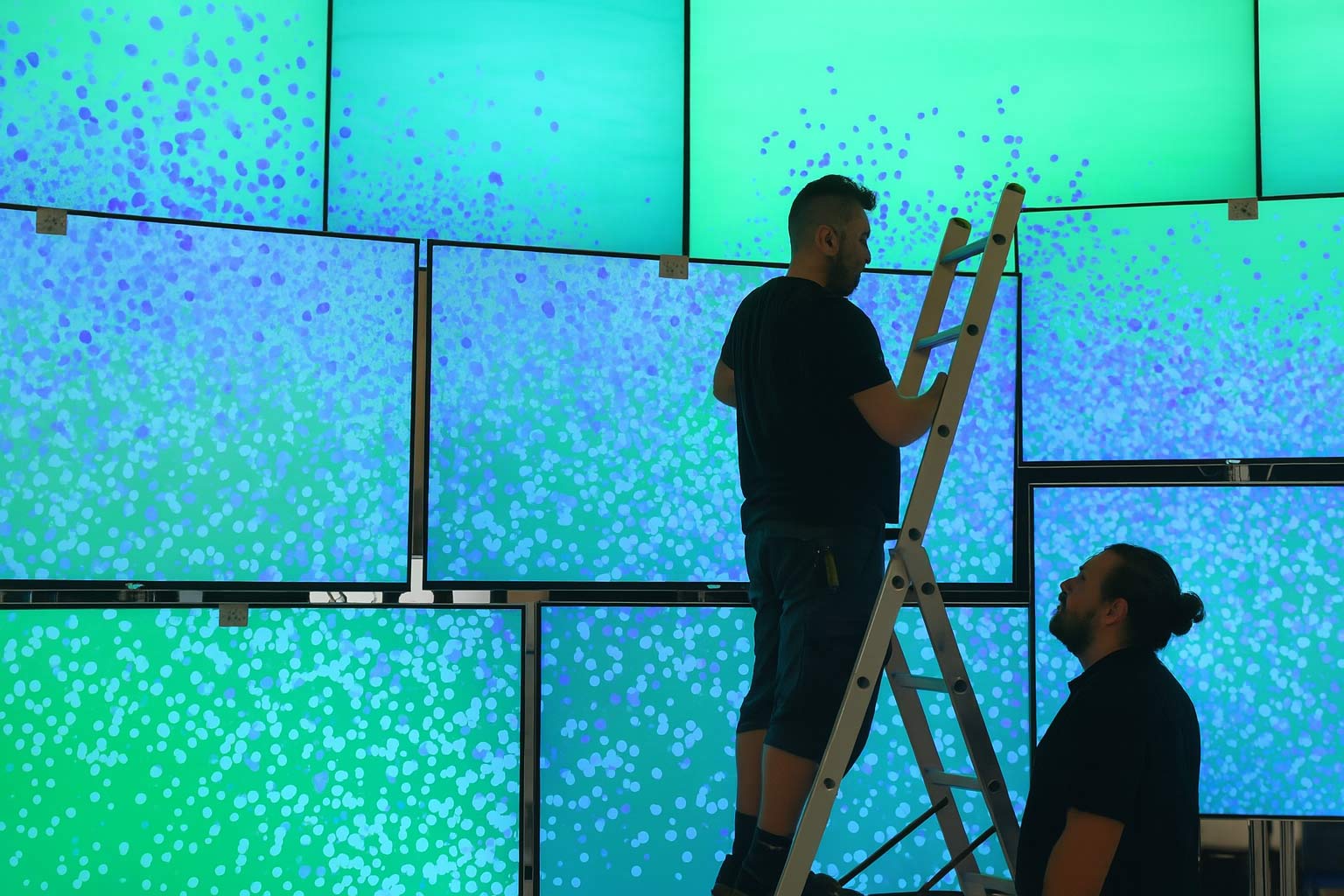

Creative LED Walls for Modern Buildings
Architecture has always been a medium for storytelling—through shapes, materials, and how a space feels. But in today’s urban environments, that narrative is becoming digital. Buildings aren’t just static structures anymore. They’re turning into living canvases that communicate using motion, light, and media.
This shift isn’t just cosmetic—it’s deeply integrated. Architects are now designing digital displays into the fabric of buildings, whether at the entrance, across a facade, or inside a lobby. These LED installations aren’t afterthoughts; they’re part of the building’s DNA. They influence how people engage with spaces, reflect local culture, and strengthen brand identity.
With tech advancing rapidly, LED video walls are now more than capable of handling even the most complex architectural visions. And thanks to compatibility with modern software and hardware, they’ve evolved into responsive media platforms rather than just flat screens.
In this article, we look at how LED display panels are changing the way buildings are designed and experienced. This is where light becomes structure—and tech becomes part of the design language.
How LED Screens Are Transforming Modern Architecture
Architecture used to be passive. Now, it participates. Today’s buildings aren’t just meant to be looked at—they engage, inform, and even entertain. LED screens are central to this transformation, helping spaces express personality and purpose through dynamic visuals.
Turning LED Walls into Dynamic Facades
Modern cities are full of visual noise—but some buildings manage to stand out. That’s often thanks to massive LED facades that double as visual billboards or artistic canvases. These installations can show everything from abstract visuals to real-time data, giving buildings a sense of rhythm and life.
But it’s not all about eye candy. Outdoor LED walls have to be built tough. With ratings like IP45 or IP65, they shrug off rain, dust, and heat. And with auto-brightness control, they adapt fluidly to shifting daylight, staying potent without being harsh on the eyes.
This gives architects the freedom to design façades that change throughout the day, shift with the seasons, or come alive during special events—making the building feel more like a participant than a backdrop.
Loyal Customization
No two spaces are alike, and LED customizable systems reflect that. These displays are modular and flexible, allowing them to wrap around curves, tuck into corners, or cascade down walls. Thanks to magnetic modules and full front-access designs, they can be installed with precision, without compromising the surrounding architecture.
The beauty here is in the balance—technology adapts to the building, not the other way around. Whether it’s an artistic expression or a branded experience, the customization options ensure the display fits seamlessly into the space’s narrative.
Artistic Expression in Interior Spaces
Step inside, and LED walls for artistic expressions take on a different role. They’re more intimate here. But close-range viewing demands greater precision. The right pixel pitch and refresh rate can mean the difference between a rich experience or a pixelated mess.
Smaller pixel pitch delivers clarity at close distances, while higher refresh rates ensure smooth playback. In these settings, LED displays aren’t shouting for attention—they’re speaking in subtle, deliberate ways that elevate the experience.
Smart Installations, Smarter Buildings
A modern building isn’t just beautiful—it’s responsive. LED walls, when integrated into smart systems, can become tools for real-time engagement. They display relevant content, adapt to the environment, or even react to user input.
Adaptive Display Systems that Sync with Architecture
Smart buildings thrive on coordination. LED systems today can be connected to lighting controls, sound systems, and environmental sensors—allowing them to change content depending on the time, weather, or event.
Using Novastar rapid processors and sending cards, designers can tailor whether content updates live or runs on a schedule. This flexibility is key, whether you’re showing flight schedules in an airport or transforming a hotel lobby for a nighttime mood.
And with compatibility across software platforms and control ecosystems, these displays aren’t just screen add-ons—they’re part of the building’s core logic.
Elevating Design with LED Display Installation
Even the best LED solution will fall short without the right installation. The way a screen is mounted, impacts everything from safety to how it fits the space visually.
Personalized Fit for Any Architectural Vision
Installation isn’t one-size-fits-all. It should complement the architecture, not compete with it.
Wall-mounted installations
are ideal for minimal environments like boutique interiors. They conserve space while delivering maximum impact.
Ground-supported displays
are the go-to for temporary setups or flexible installations. They allow easy reconfiguration without modifying the building itself.
Flown methods
where screens are suspended, are particularly effective in areas requiring full visibility without occupying floor or wall space.
The method chosen doesn’t just affect aesthetics—it also impacts maintenance, sightlines, and how the audience experiences the display. Viewing angles (140°–160°) are a design detail worth paying close attention to.
The Long-Term Value for Architects and Developers
LED walls aren’t just flashy showpieces—they’re smart investments. Designed for longevity, they come with energy-efficient builds, multi-year warranties, and lightweight structures that ease installation and reduce strain on the building.
Because they’re programmable, you can reuse the same display for different purposes without redesigning the space. That makes them cost-effective and sustainable in the long run.
From reducing waste to enhancing tenant or visitor engagement, they’re a forward-thinking choice for developers who want more than just short-term visual impact.
Why Visionary Architecture Needs Innovative Partners
A stunning design is only as strong as its execution. That’s why working with an experienced partner matters.
LED Market doesn’t just sell LED display panels—they help architects and developers bring ideas to life. From planning to installation to ongoing support, they offer end-to-end expertise.
Whether you need modular displays that fit a unique geometry, powerful processors that handle dynamic content, or guidance on how to install without disrupting your space—LED Market ensures the result is as compelling in reality as it was on paper.
Request a Quote for Architectural LED Screen Installations