
Creating Dynamic Slideshows on LED Video Walls
Let’s face it: in today’s digital world, grabbing attention is hard—and keeping it? Even harder. We’re bombarded with visuals all day long, but most of them barely register. That’s where dynamic slideshows come in. These aren’t your basic rotating slides. They move, react, and evolve in real time. And when you pair that energy with a bright, bold LED video wall? You’ve got a visual experience people actually remember.
In places like Times Square, LED displays dominate the skyline—not just because they’re bright, but because they adapt. Brands like Coca-Cola and Nike use dynamic, motion-based content to constantly refresh what people see, creating relevance in real time.
LED technology has quickly replaced projectors and standard TVs in many industries. They’re brighter, more flexible, and scalable to virtually any space. Whether you’re welcoming clients in a sleek corporate lobby or trying to stop foot traffic at a noisy trade show, LEDs give you the visual horsepower to stand out.
But it’s not just about the tech—it’s about how you use it to tell a living story.
What Makes a Slideshow “Dynamic” Today?
When people hear “slideshow,” they still picture grainy PowerPoint decks with clunky transitions. Today’s versions are nothing like that. A modern dynamic slideshow pulls in real-time weather updates, social media feeds, and even changes based on who’s in the room.
In retail LED tech, brands like Zara use dynamic slideshows to rotate product ads based on time of day—morning displays push businesswear, evenings switch to casualwear.
This isn’t about being flashy. It’s about staying relevant. Dynamic slideshows give you the power to react—whether that’s updating sales promotions mid-day, showcasing breaking news, or adjusting content to fit a different audience demographic at different hours.
Common Applications Across Industries
You’ll find dynamic slideshow setups everywhere now:

Trade shows
Exhibitors use motion graphics to lure people from across the floor. According to the Center for Exhibition Industry Research, displays that incorporate motion increase dwell time by up to 40%.
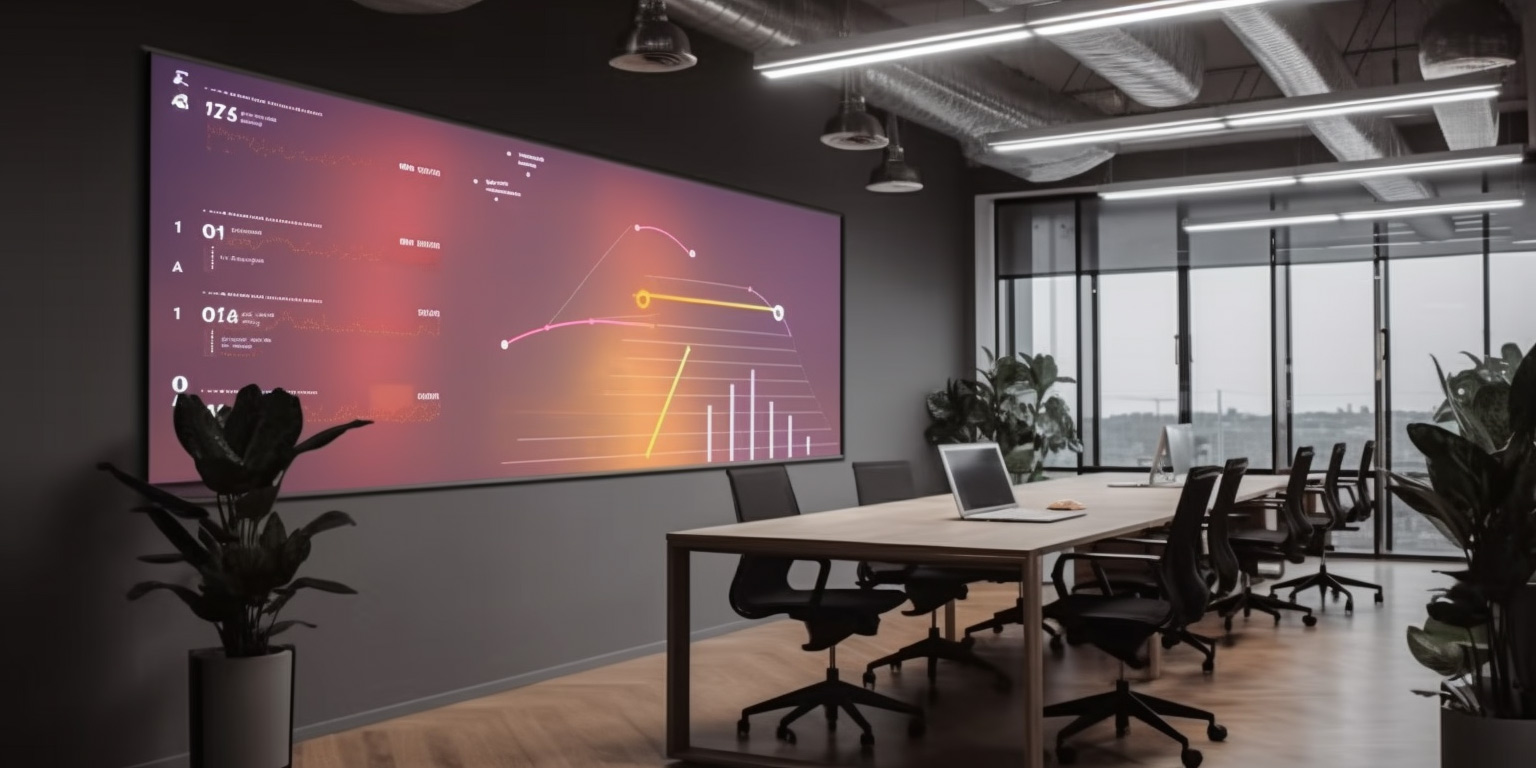
Corporate offices
Think welcome messages for guests, real-time KPIs for employees, or safety alerts in industrial settings.
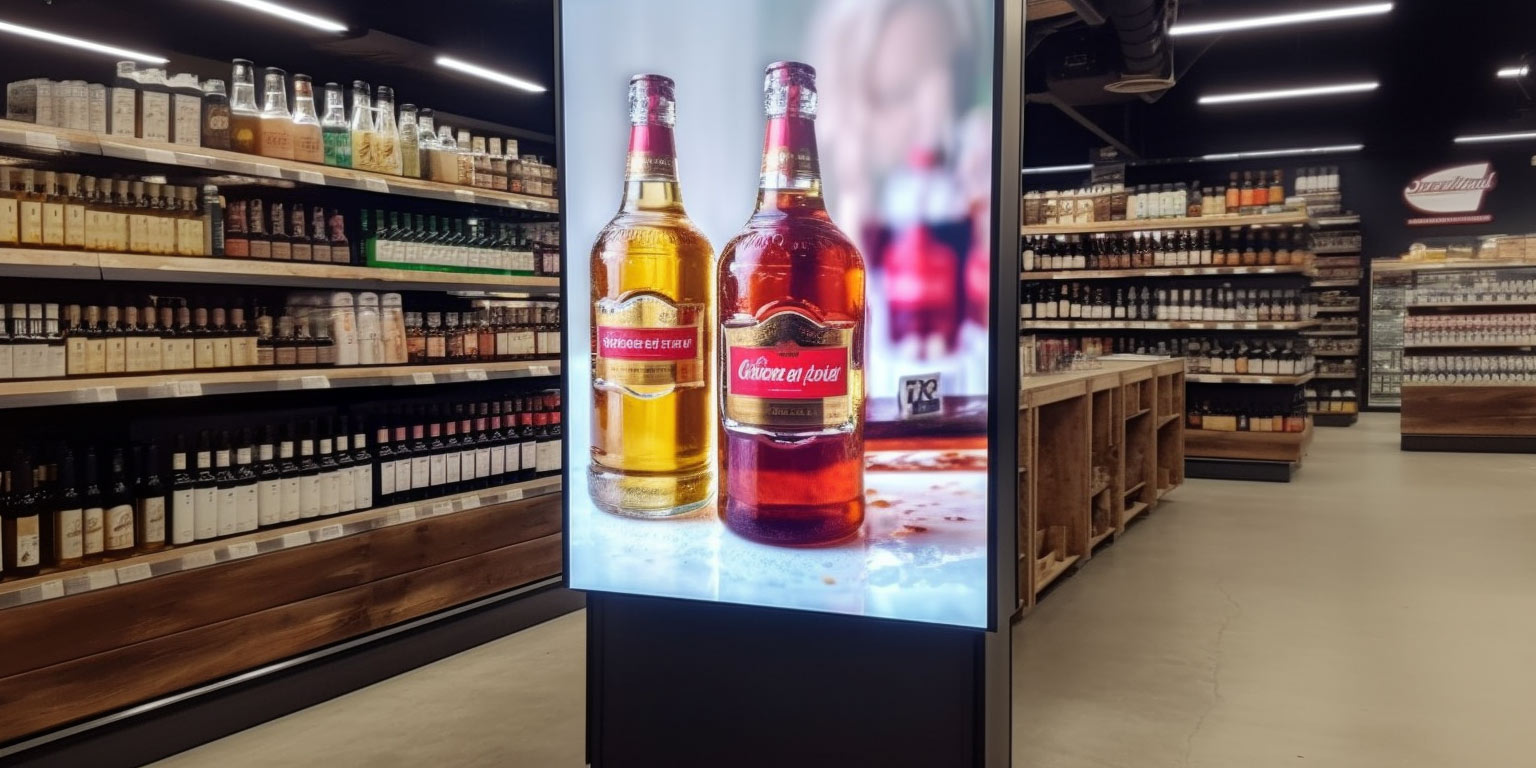
Retail stores
Stores like Target update promo screens hourly to push time-sensitive offers or align with inventory.
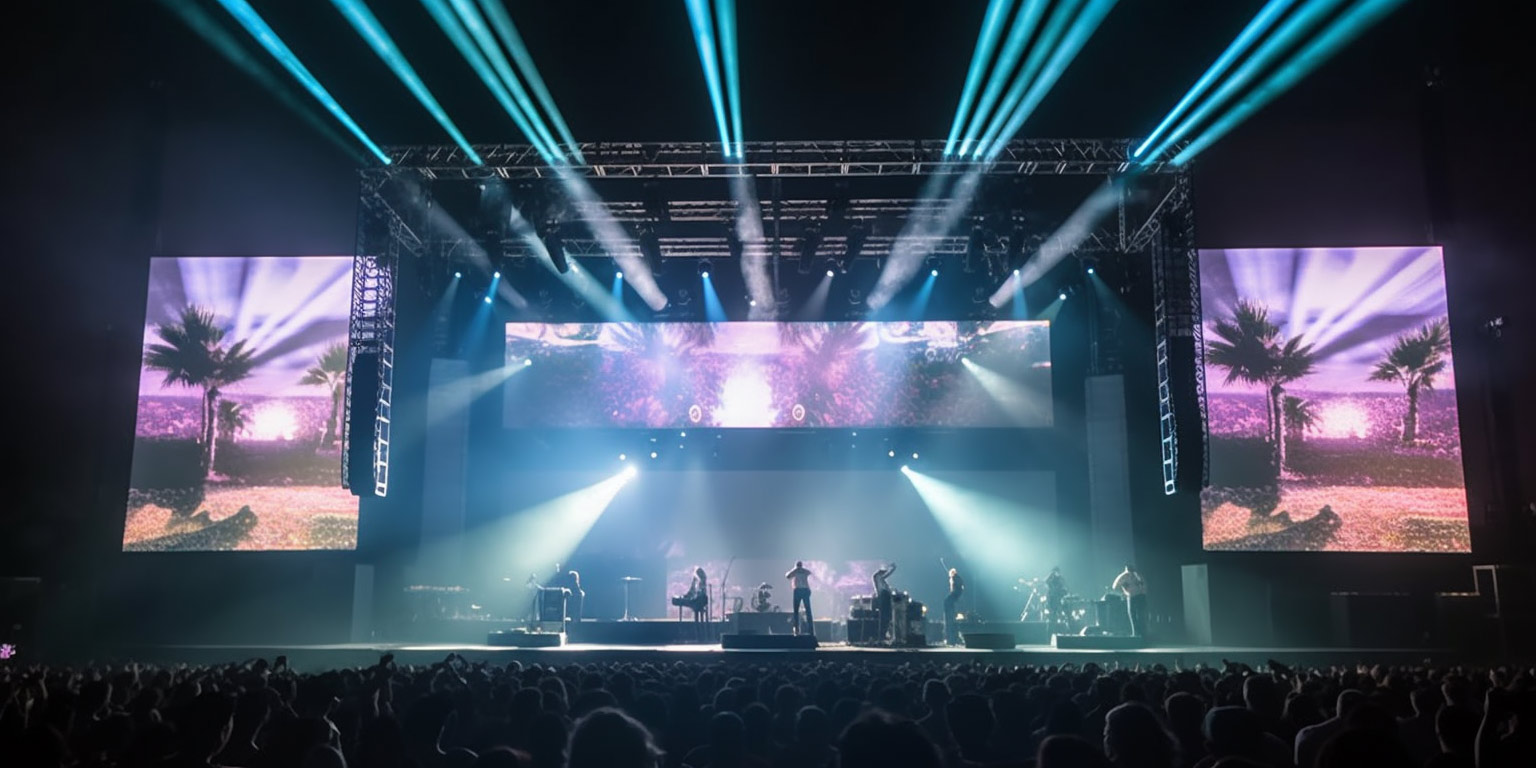
Concerts and festivals
Artists sync content to the beat. Billie Eilish’s recent world tour used dynamic visuals on curved LED panels to immerse fans.
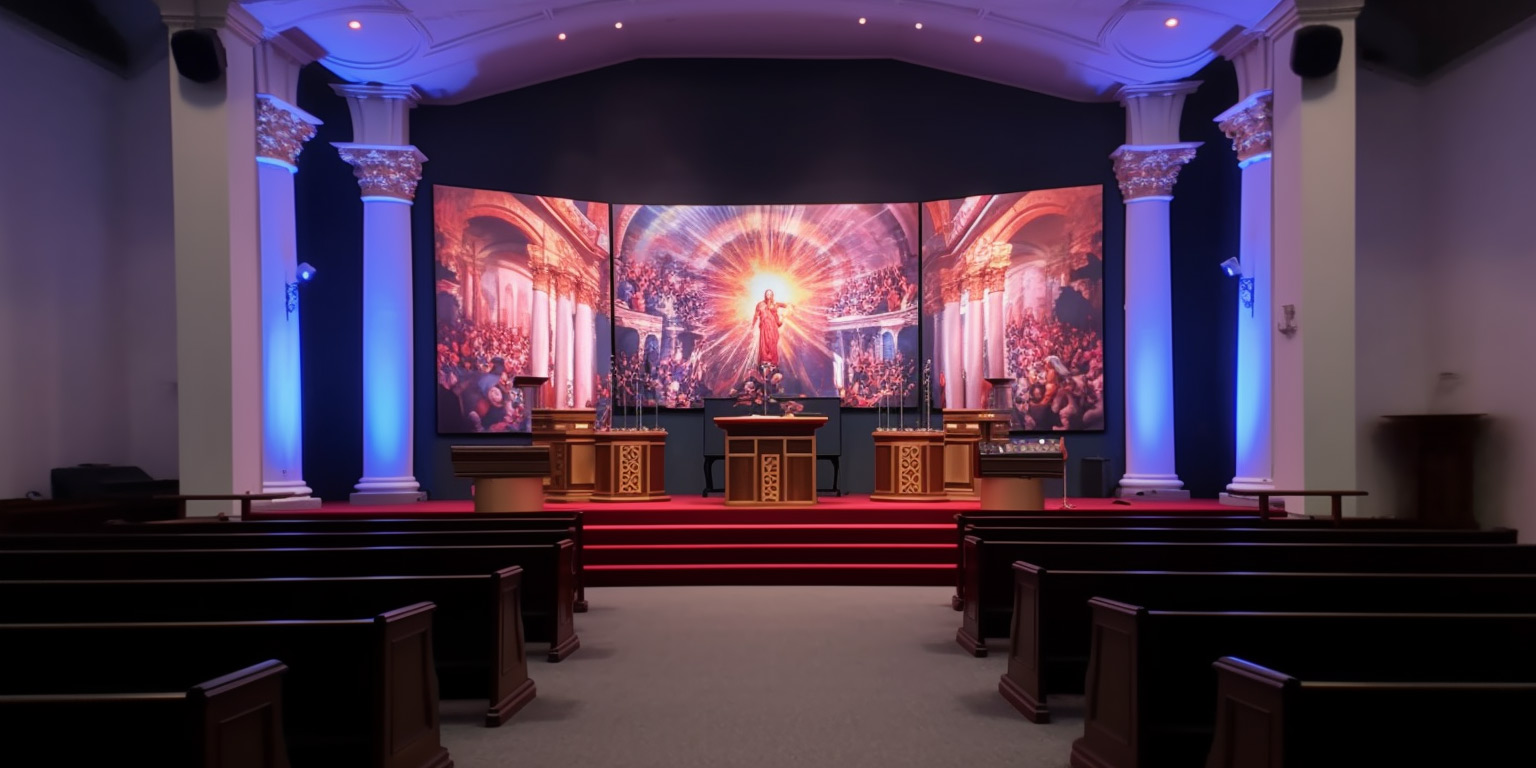
Churches and houses of worship
Services feature lyrics, live camera feeds, and Bible verses that change as the speaker moves through the sermon.
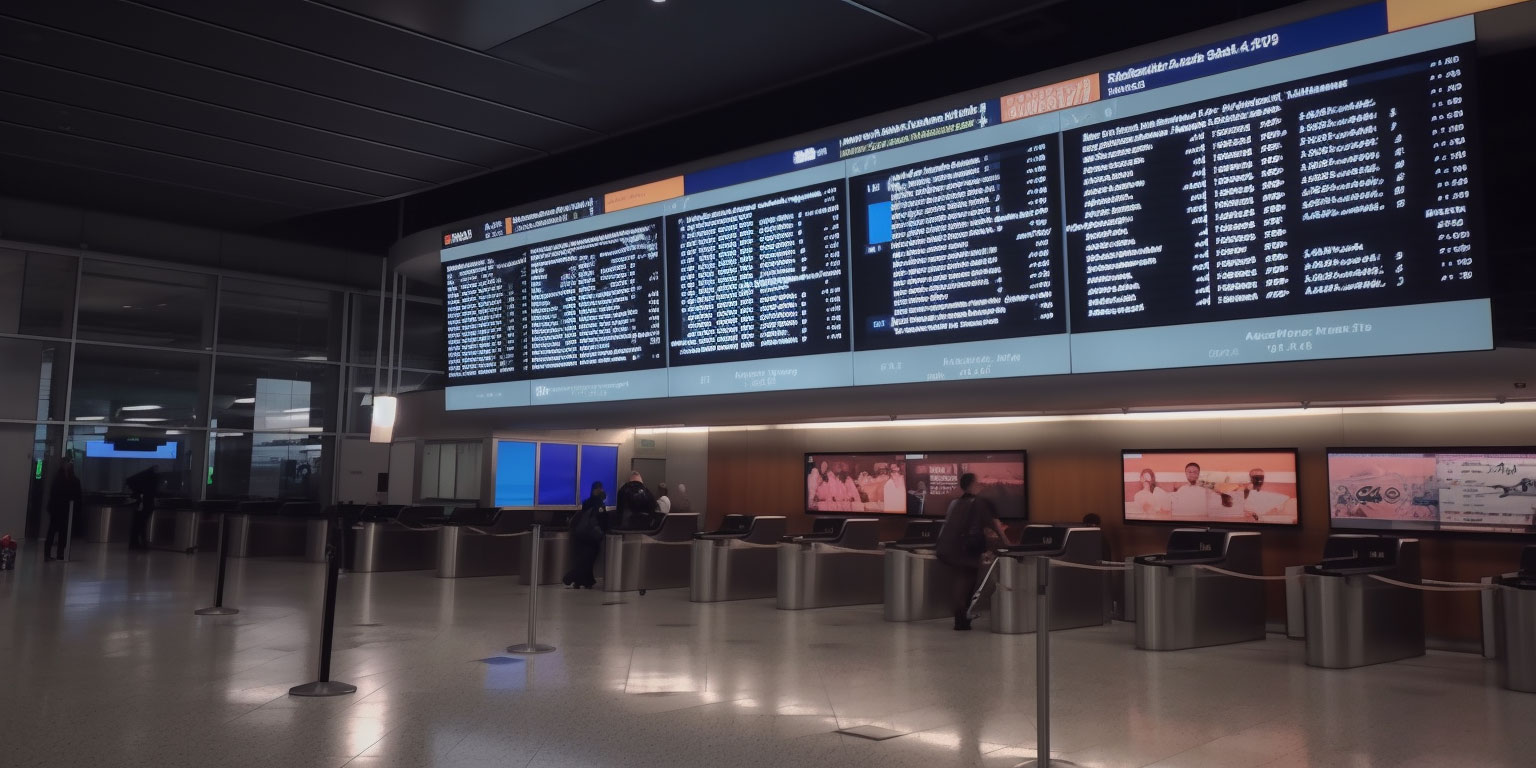
Airports and transit hubs
Think dynamic maps, real-time delays, weather alerts, and monetized ad rotations.
Sports arenas
During NBA games, LED walls show live stats, slow-motion replays, and interactive social media content, often in less than a second’s delay.
Designing a Slideshow That Shines
A compelling display always starts with a purpose—not just pretty visuals.
Know What You're Trying to Say
Ask this: What do I want my audience to feel or do?
If you’re a startup debuting a product, use motion to tell its story: problem, solution, features, and testimonials—all within 30 seconds. If you’re a school, maybe it’s highlighting student achievements or emergency notifications.
Design for the Medium
LED displays are not the same as computer monitors. The pixel pitch, color saturation, and size matter. Use bold fonts, high contrast, and animations that flow—not stutter.
- For fast-moving audiences (train stations, malls), your message should be digestible in under 5 seconds.
- For slow environments (conference lobbies, waiting rooms), use longer narrative loops with soft transitions and even background music.
Avoid clutter. Stick to one clear message per slide. Too much info kills retention.
Behind the Scenes: How the Technology Powers It
We tend to focus on what’s on the screen—but a lot of the magic happens behind it. Here’s a quick peek under the hood:
The Hardware
Today’s LED panels are modular, magnetic, and often front-serviceable. That means you can replace a damaged tile in minutes without dismantling the whole wall.
Brands like Absen and Unilumin offer IP-rated (IP65) weatherproof panels for outdoor setups. Tech like Novastar processors ensure smooth playback—even on complex, multi-screen setups.
The Software
The brains behind it all? Content management systems (CMS) like SpinetiX, Scala, or Yodeck. These let you automate schedules, push content remotely, and manage entire networks from a web dashboard.
You can preload content for asynchronous playback (great for rural signage) or run synchronous systems for live concerts and stadiums.
Smart Integrations
Today’s setups don’t exist in a vacuum. You can plug in live video feeds, use motion sensors to trigger content, or link to external data sources for real-time updates. HDMI, VGA, and other inputs give you the flexibility to connect from almost anywhere—whether that’s a control room or a laptop backstage. These systems can tap into Google Sheets, weather APIs, social feeds, or even motion sensors that trigger specific visuals when someone walks by.
Asynchronous playback lets you load content ahead of time, which is great for locations without a constant connection. Synchronous systems work best for live events or coordinated multi-screen displays.
Mounting Options: Matching Tech to Space
There’s no universal setup—it depends on your space and goals:
Wall-mounted: Clean and professional for corporate lobbies and retail stores.
Ground-supported: Great for trade shows or temporary installs. Fast to assemble.
Flown (suspended): Popular in concerts and auditoriums where vertical space is key.
Most LED panels today weigh under 20 pounds each and can be installed by a two-person crew in under an hour. For outdoors? Look for units with heat sinks and wind-resistant frames.
Performance that Pays Off
Let’s talk ROI. A dynamic LED display isn’t cheap—but it’s a multi-use investment.
Instead of printing new banners every few months, you update content digitally—cutting recurring costs. One display can be a product ad in the morning, internal memo by lunch, and livestream stage backdrop by evening.
LED walls also last. Most are rated for 100,000 hours of use—that’s over 11 years running 24/7.
And don’t forget energy savings. LED systems today are up to 60% more efficient than just five years ago, with features like auto-dimming to conserve power during off-peak hours.
Who Helps You Make It Happen?
Even the best gear needs the right team.
That’s where LED Market comes in. They’ve helped install displays in over 2,000 locations, from high schools in Texas to entertainment venues in Las Vegas.
They don’t just sell screens. They help map out content strategy, manage install logistics, train staff, and offer live support after the fact.
If you’re launching a flagship store, redesigning a church sanctuary, or setting up for your first industry expo, they’ll walk with you through every pixel and plug.
The future of visual communication isn’t just bright—it’s interactive, real-time, and endlessly customizable.
With the right setup and a team like LED Market behind you, you can turn a simple screen into a powerful experience—one that informs, inspires, and, most importantly, gets remembered.
Get a free quote