
500 Nits vs. 1,000 Nits vs. 5,000 Nits: How Bright Should an LED Screen Be?
500-nit LED walls can look excellent in a dark conference room but struggle near a sunlit window. By contrast, 5,000-nit LED display packages may be ideal outdoors yet feel overwhelming in the same indoor space. Brightness only works when it matches the environment.
The key question is simple: how much brightness does the space actually require? Nits measure luminance, or the amount of visible light emitted from a surface. Choosing the right level improves visibility, comfort, and energy efficiency without paying for output the project does not need.
Brightness Is a Competition With the Light Around the LED Wall
500 Nits Can Be Plenty in a Controlled Room
Brightness should never be evaluated on its own. LED screens compete with ambient light, whether it comes from overhead fixtures, windows, stage lighting, or direct sunlight. The brighter the surroundings, the more luminance the system may need.
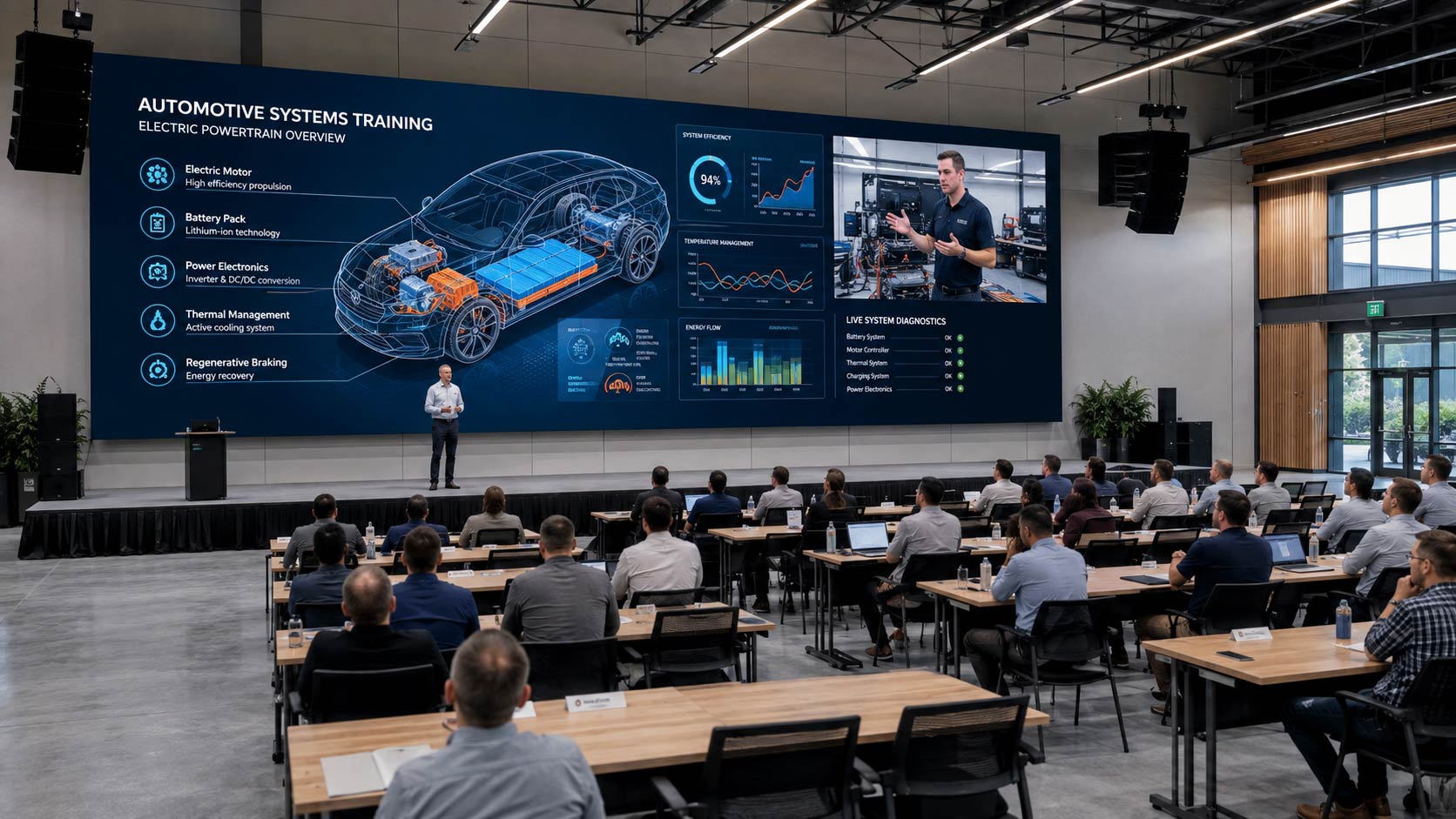
In controlled environments such as meeting rooms, corporate interiors, control rooms, and presentation spaces, 500 nits can provide an excellent balance. LED panels in these settings do not need extreme output because surrounding light can be managed. Moderate brightness also helps reduce eye strain during close viewing.
1,000 Nits Gives Indoor Displays More Headroom
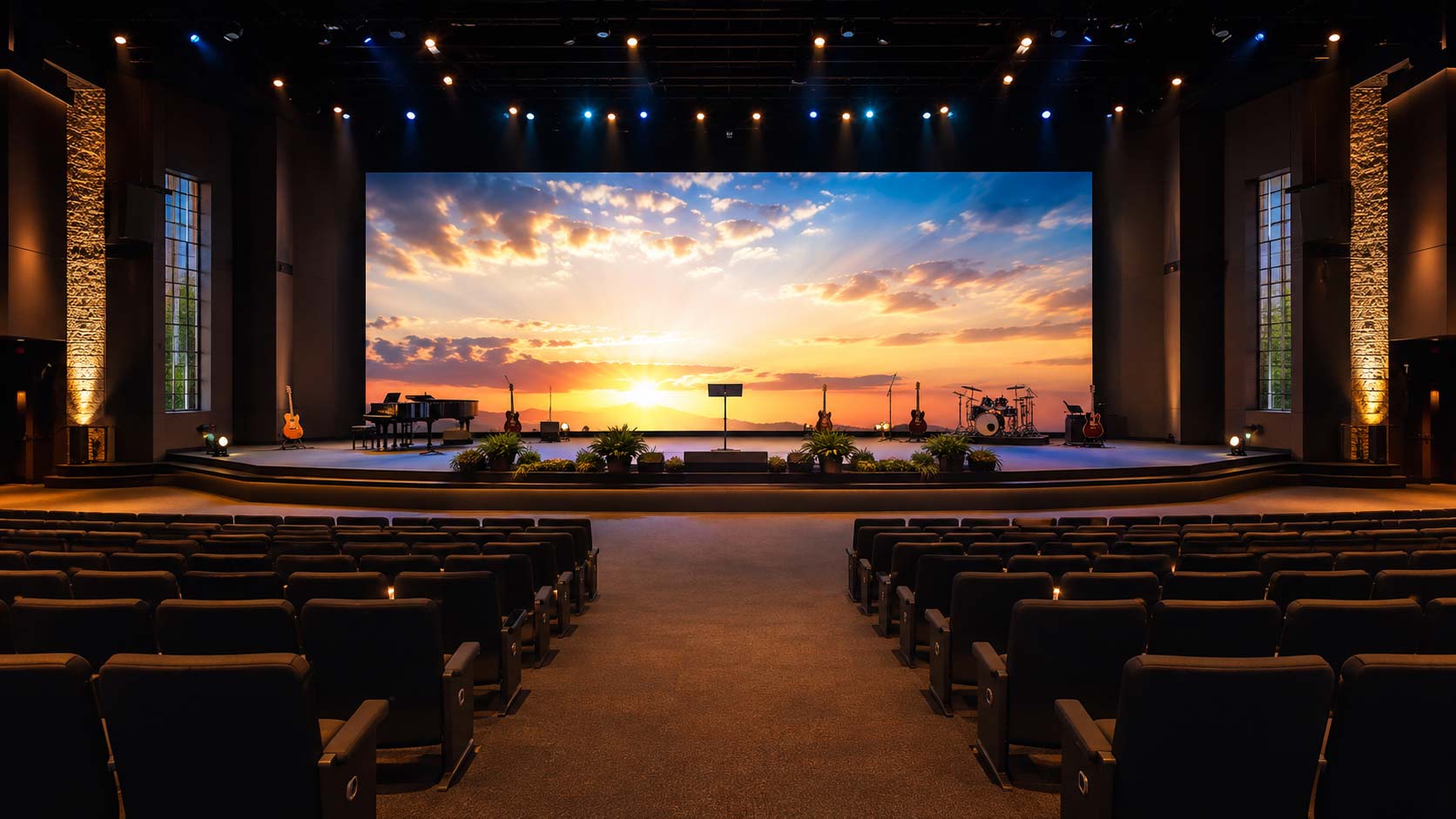
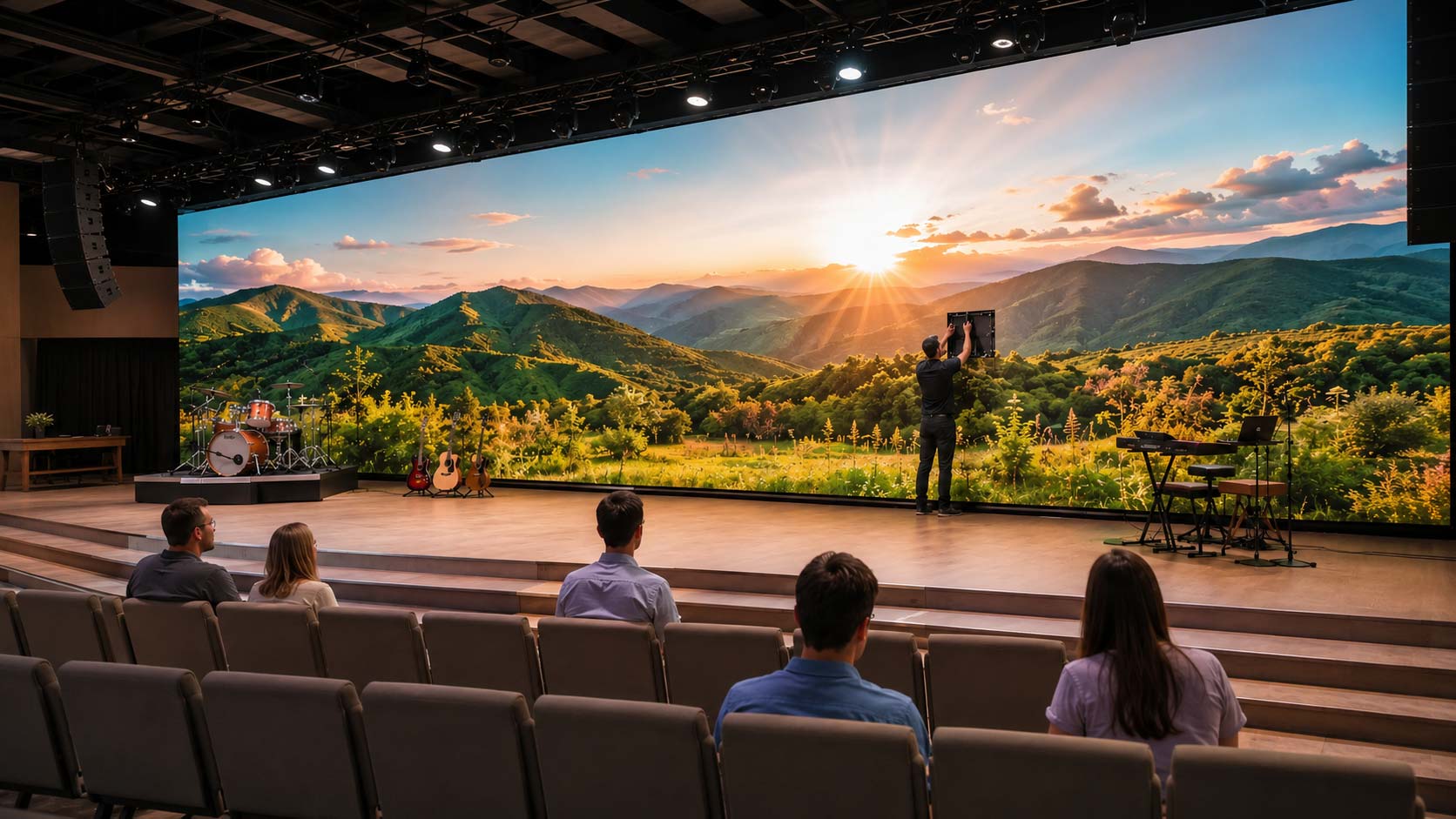
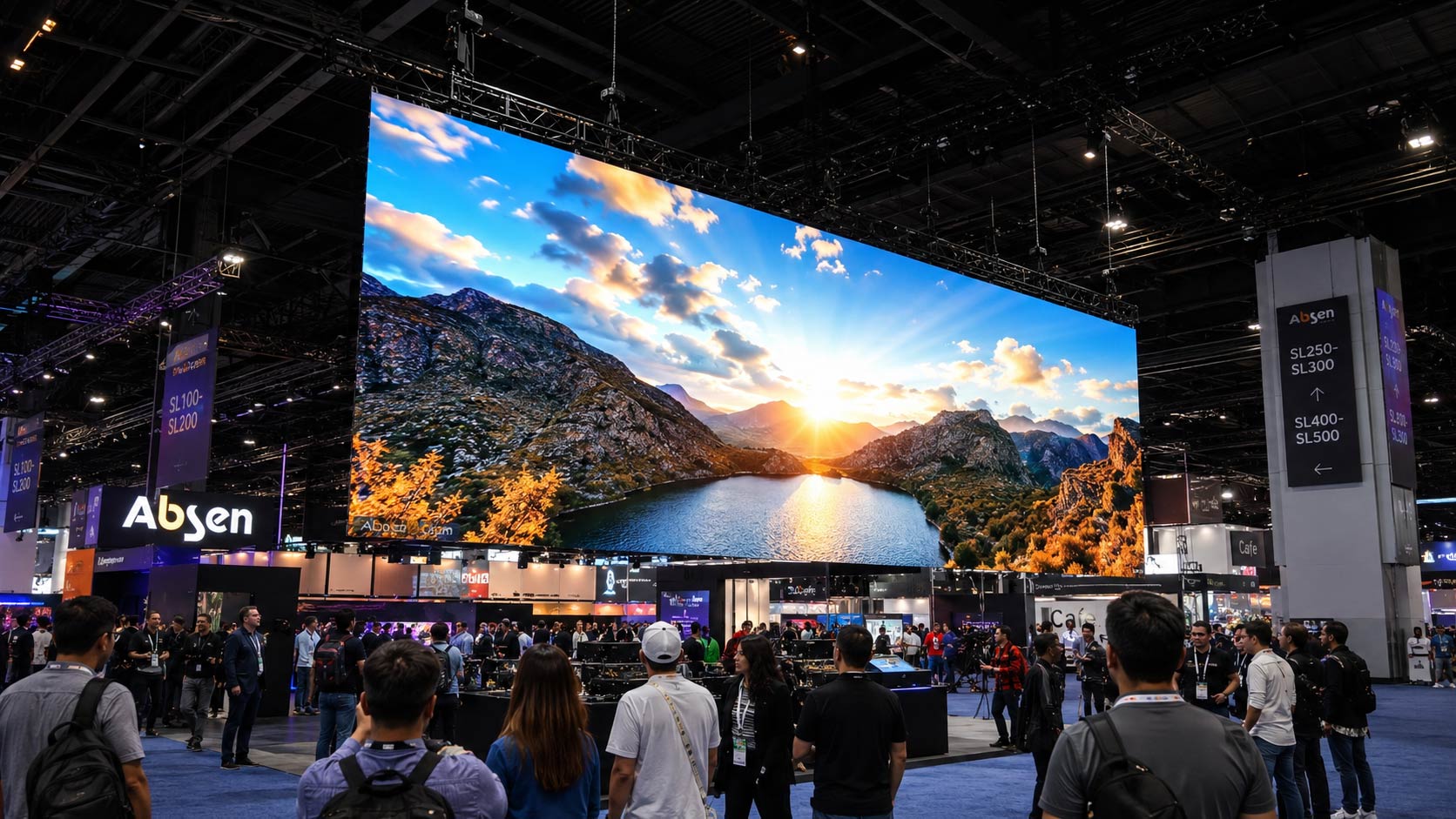
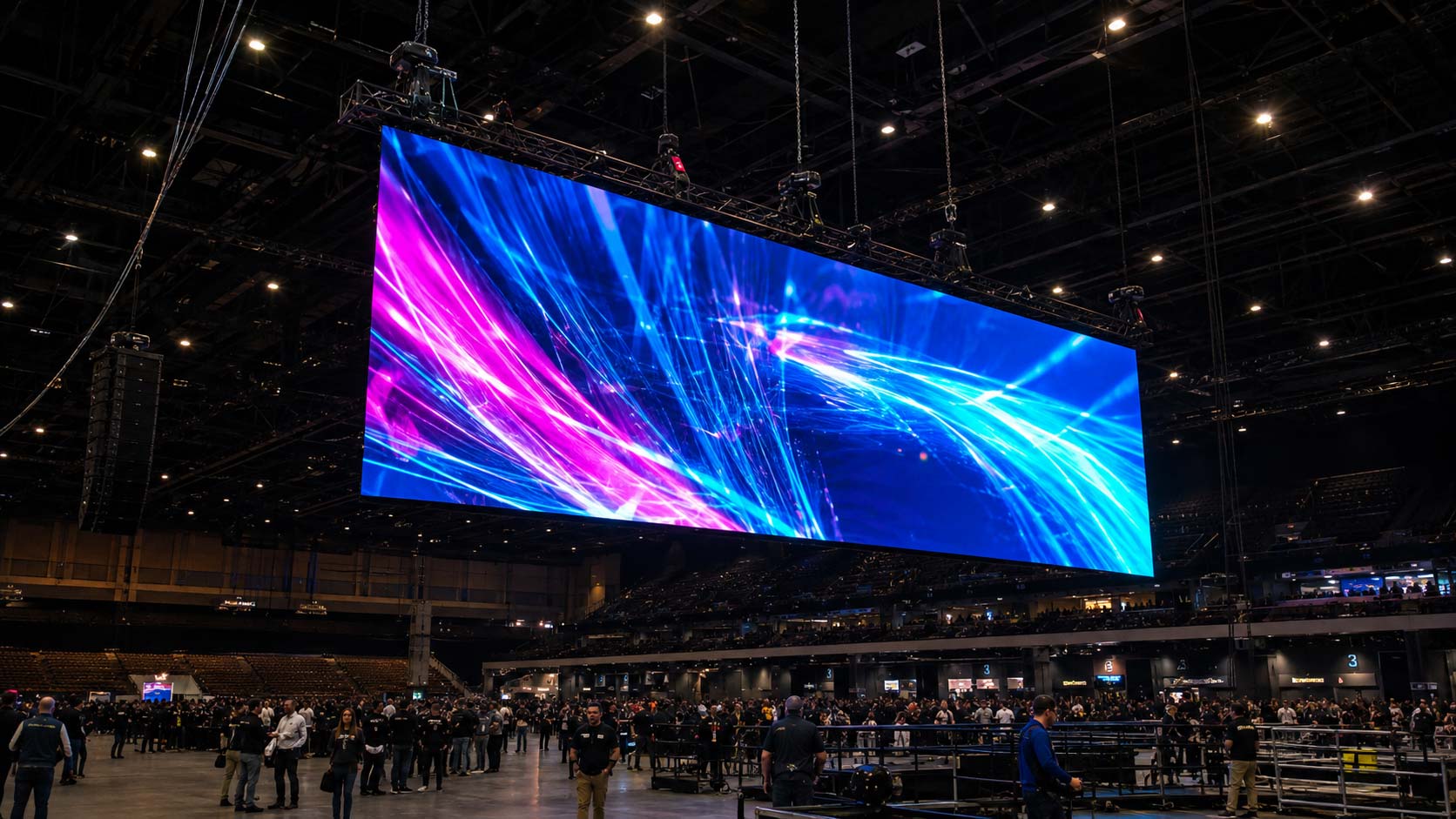
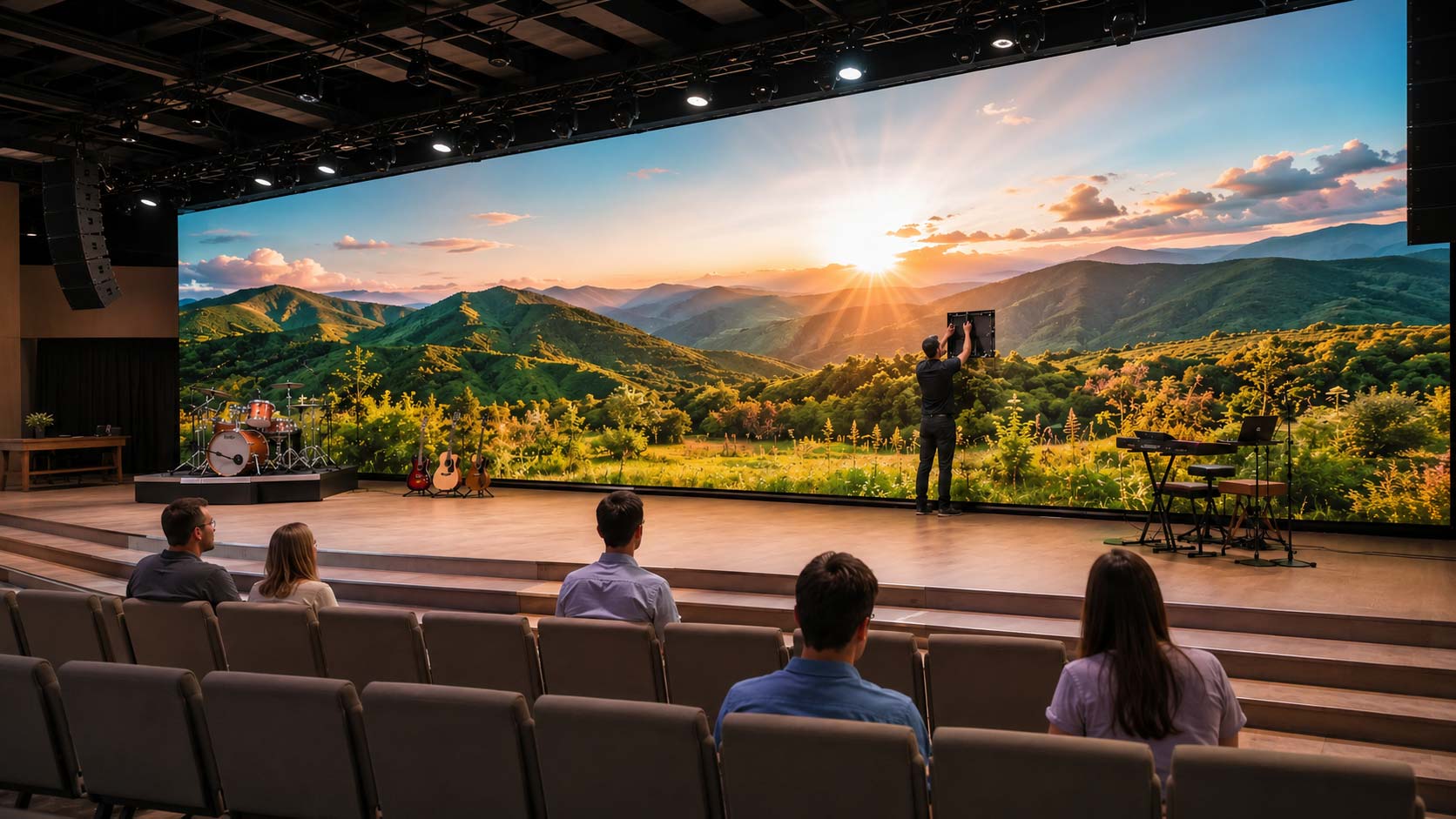
1,000-nit LED display panels offer added flexibility for brighter indoor environments. Retail stores, trade shows, places of worship, hospitality venues, and corporate lobbies often combine strong artificial lighting with natural light from windows. That extra headroom helps preserve clarity as conditions change throughout the day.
For projects that need more flexibility than a 500-nit configuration without moving into outdoor-level output, 1,000 nits is often a practical middle ground. This range works especially well for LED video walls used in mixed-light environments where consistent visibility matters more than maximum intensity.
5,000 Nits Moves the Conversation Outdoors
At 5,000 nits, the objective changes: the system must remain visible in daylight. This level is commonly used for LED displays on building facades, outdoor stages, sports venues, public information systems, and street-level advertising. Here, brightness is primarily about overcoming ambient sunlight.
Outdoor LED display panels also require protection that goes beyond luminance. Weather resistance, thermal management, and enclosure design become essential, with IP65 commonly used for exposed outdoor applications. A 5,000-nit rating should therefore be viewed as part of an outdoor specification—not as a universal target.
The Brightest LED Display Can Still Be the Wrong LED Device
Too Much Brightness Can Hurt the Viewing Experience
More brightness does not automatically create a better image. An overly intense display in a dark room can cause eye fatigue, flatten perceived contrast, and make darker areas appear washed out. A well-designed system should support the content, not overpower the space.
This is especially important for LED walls viewed at close range, where comfort and grayscale performance are often more valuable than raw output. The goal is controlled visual impact rather than maximum brightness at all times.
Maximum Brightness Is Not Operating Brightness
LED screens rated for 5,000 nits do not need to run at full output throughout the day. Maximum capacity provides headroom for difficult conditions, while normal operating brightness can be set much lower. Hardware capability and everyday operating level are two different specifications.
This distinction matters for LED video walls because running unnecessary output increases power use and heat without improving the viewing experience. The best setting is the lowest level that still delivers clear, consistent visibility.
Auto-Adjustable Brightness Can Make More Sense Than a Fixed Setting
Automatic brightness control can make LED displays more efficient and comfortable to view. Ambient-light sensors allow the system to raise output in strong daylight and reduce it as conditions become darker. The result is more consistent visibility without constant manual adjustment.
For outdoor LED panels, this can be particularly useful as lighting conditions change from midday to evening. Dynamic control helps maintain readability while avoiding excessive brightness after sunset.
Higher Nits Also Come with an Operational Cost
Higher luminance can increase both power consumption and thermal load, especially when equipment operates near maximum output for long periods. That affects operating costs, cooling requirements, and long-term system efficiency.
Specifying LED display panels with substantially more brightness than the environment requires can increase costs without creating a meaningful visual benefit. From an ROI standpoint, right-sizing the system is usually more valuable than simply choosing the highest available specification.
Two LED Panels With the Same Nits Can Still Look Very Different
Two LED panels can share the same brightness rating and still produce noticeably different images. Grayscale performance, calibration, contrast, processing quality, and pixel pitch all influence perceived image quality. Nits describe output, not the entire viewing experience.
A fine-pitch LED wall viewed from a few feet away must reproduce fine text, detailed graphics, and subtle tonal differences. Outdoor LED screens viewed from much farther away have a different job: they must deliver bold shapes, strong contrast, and readable messaging. Brightness requirements depend on the application, viewing distance, and content—not the product label alone.
Viewing angle also matters. Well-designed LED video walls should maintain strong color and intensity from common off-axis positions, especially in wide rooms, venues, and public spaces. Good performance depends on the complete visual system, not a single number on a specification sheet.
Match the Brightness to the Job, Then Design the System Around It
The most reliable approach is to define brightness from the intended use and then build the rest of the system around that requirement. Application should drive specification—not the other way around.
For controlled indoor LED walls, 500 nits may be sufficient. Around 1,000 nits gives LED displays more flexibility in brighter interiors, while 5,000 nits provides a strong starting point for daylight-facing outdoor applications. Direct sun exposure, viewing distance, content type, and operating hours should still be evaluated before finalizing the design.
The same principle applies to LED display panels installed in retail, worship, corporate, hospitality, and event environments. Pixel pitch, contrast, processing, serviceability, and environmental protection must work together with brightness. A balanced specification produces better performance and a more predictable return on investment.
Brightness Is One Decision Inside a Much Larger LED System
Luminance is important, but it is only one part of a complete LED solution. Electronics, cabinet design, pixel pitch, refresh rate, power distribution, calibration, structural requirements, and environmental protection all affect long-term performance. The strongest projects are designed as integrated systems rather than collections of isolated specifications.
Choosing the right output also helps control energy use and reduce unnecessary thermal stress across LED video walls. When LED technology is correctly matched to the space, businesses can achieve dependable performance without overspending on capacity they will rarely use. Smarter specification protects both visual quality and operating budget.
Quality also matters beyond the initial installation. LED screens and other LED devices should be supported by reliable components, technical service, and a strong warranty. LED Market backs its LED solutions with a 5-year warranty, helping protect the investment over the long term. The goal is not simply a brighter system, but a dependable one built for the application.
Transform your storefront and drive more foot traffic. Get a custom quote for your LED display project today.