
3840Hz vs 7680Hz LED Refresh Rate: Does the Difference Actually Matter?
Two LED display panels can have the same pixel pitch, resolution, brightness, and cabinet size yet advertise different refresh rates: 3,840 Hz and 7,680 Hz. Doubling the number sounds like doubling the image quality, but the difference is not that simple.
Refresh rate describes how frequently a display’s light-output cycles repeat. It does not measure sharpness, color accuracy, or the frame rate of the video being played. What matters most is how the screen will be used, particularly whether people will watch it directly or through a camera.
5-year warranty included
Technical support that answers

Nationwide shipping and service

U.S.-based team
First, Make Sure You Are Comparing the Right Kind of “Hz”
LED Refresh Rate Is Not Your Video Frame Rate
Video content commonly runs at 30 or 60 frames per second (fps). LED display packages operate with much faster internal refresh cycles. Both measurements use hertz, but they describe different processes. At 60 fps, a video frame lasts about 16.7 milliseconds. A nominal 3,840 Hz rate represents 64 refresh cycles in that interval, compared with 128 at 7,680 Hz. Neither specification means the screen receives thousands of unique video frames per second.
Why LED Panels Refresh Thousands of Times per Second
The brightness of individual LEDs is controlled through rapid electrical switching, often using pulse-width modulation (PWM). By varying how long an LED emits light during each cycle, the system produces different brightness levels. The light appears continuous to viewers, even though its output is being controlled in short intervals.
A sufficiently high refresh rate helps minimize visible flicker. Cameras, however, can reveal patterns the eye misses because their exposure timing may conflict with the display’s driving cycles. That is why refresh rate deserves more attention when LED panels will appear on video.
Why the Bigger Number Does Not Tell the Whole Story
Two products rated at 7,680 Hz may perform differently on camera. Their scan ratio, driver chips, PWM implementation, and low-brightness grayscale performance also influence the result. A higher advertised rate is useful, but it cannot substitute for testing the actual equipment with the intended camera setup.
Filming on this screen?
We match the refresh rate to your camera setup.
What Hz measures
Refresh rate counts light cycles, not video frames per second.
Cameras change the answer
On camera, scan lines and flicker appear where the eye sees none.
The processor matters
Driver chip and setup decide more than the advertised number.
For the Human Eye, 3840Hz and 7680Hz Can Look Surprisingly Similar
Standing in Front of the Screen Changes the Comparison
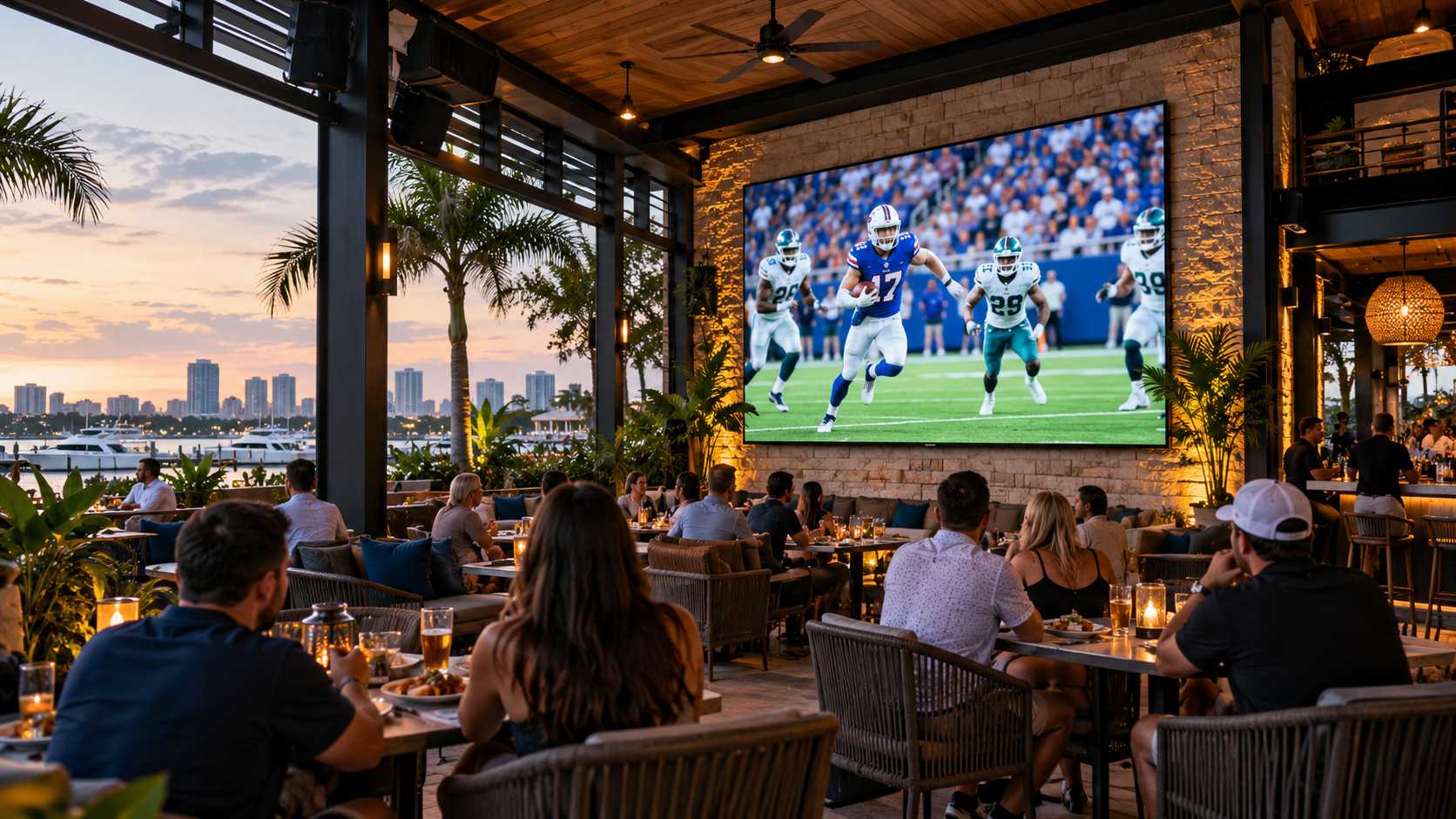
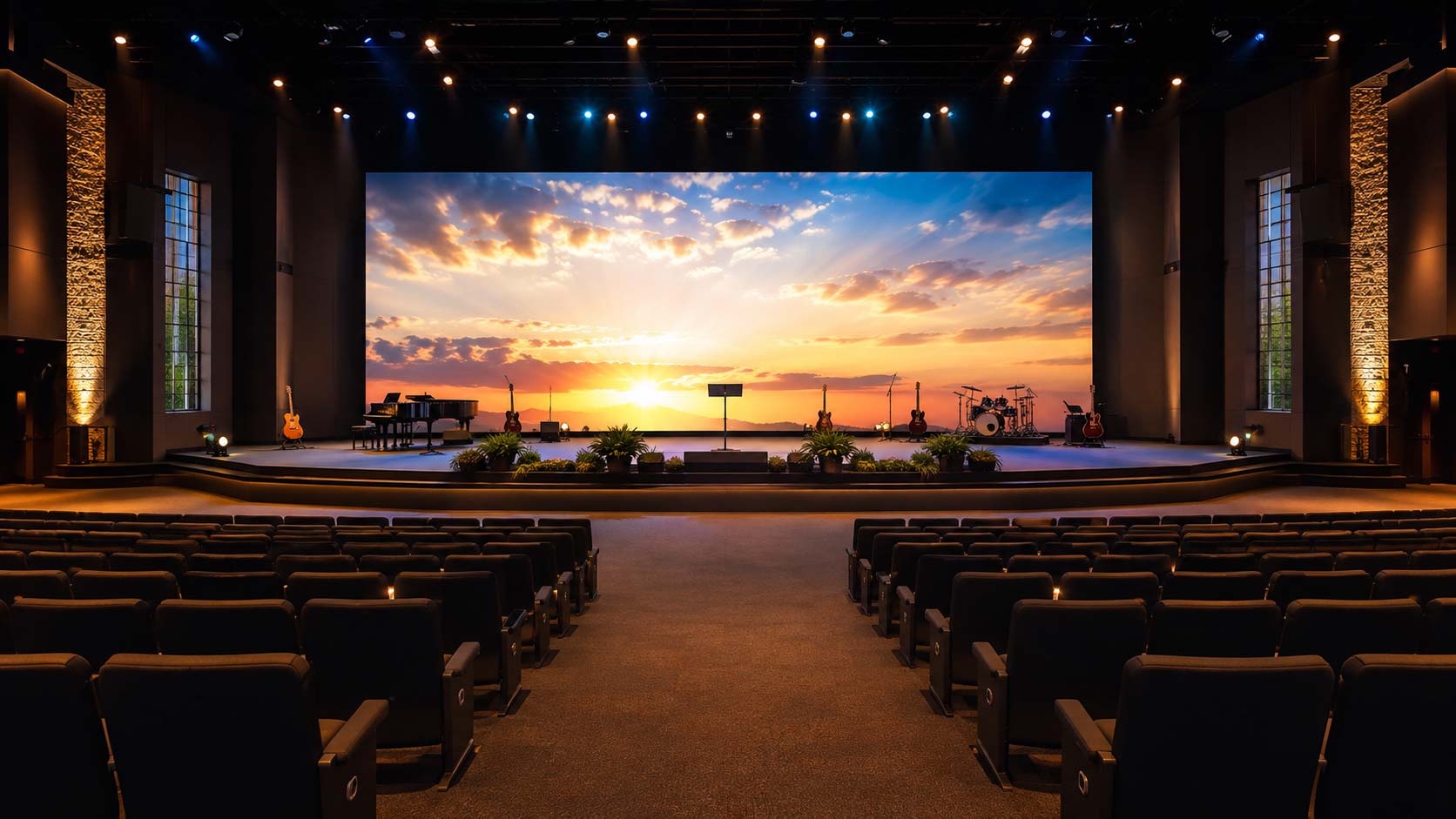
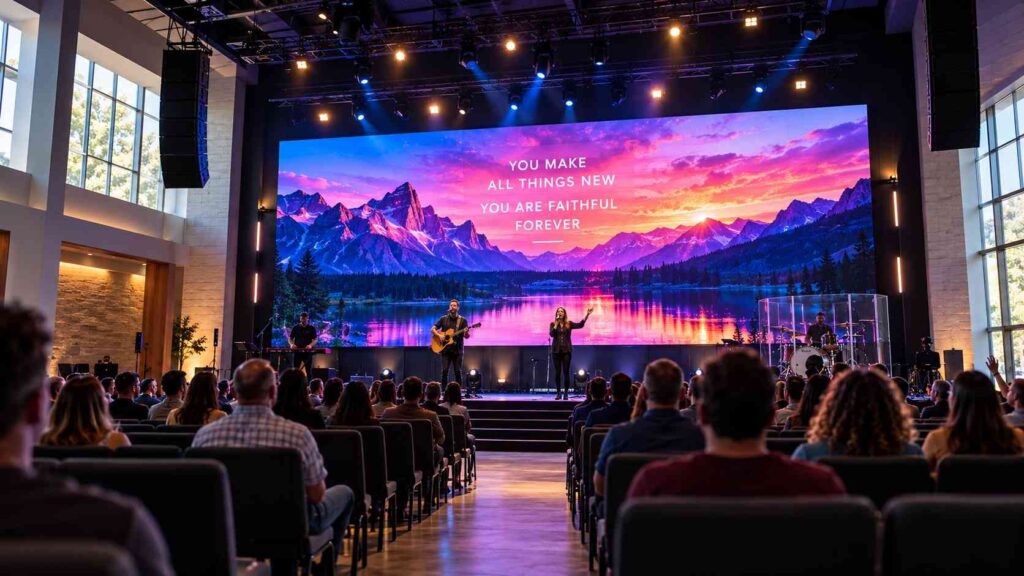
Consider LED walls installed in restaurants, churches, schools, or trade show booths. When visitors view them directly, both refresh rates can produce a stable, comfortable image. At these frequencies, doubling the specification does not automatically create a visible improvement.
People notice the overall picture: its sharpness, contrast, color, brightness, and viewing distance. For most everyday installations, those factors have a greater impact on perceived quality than the difference between 3,840 Hz and 7,680 Hz.
Pixel Pitch May Matter More to the Person Standing Nearby
Pixel pitch determines the distance between adjacent pixels. A P2.5 display will generally look finer than a P5 display at the same close viewing distance. If customers stand near LED screens, choosing an appropriate pixel pitch will often deliver more value than paying for a higher refresh rate alone.
Brightness and Environment Change What the Audience Sees
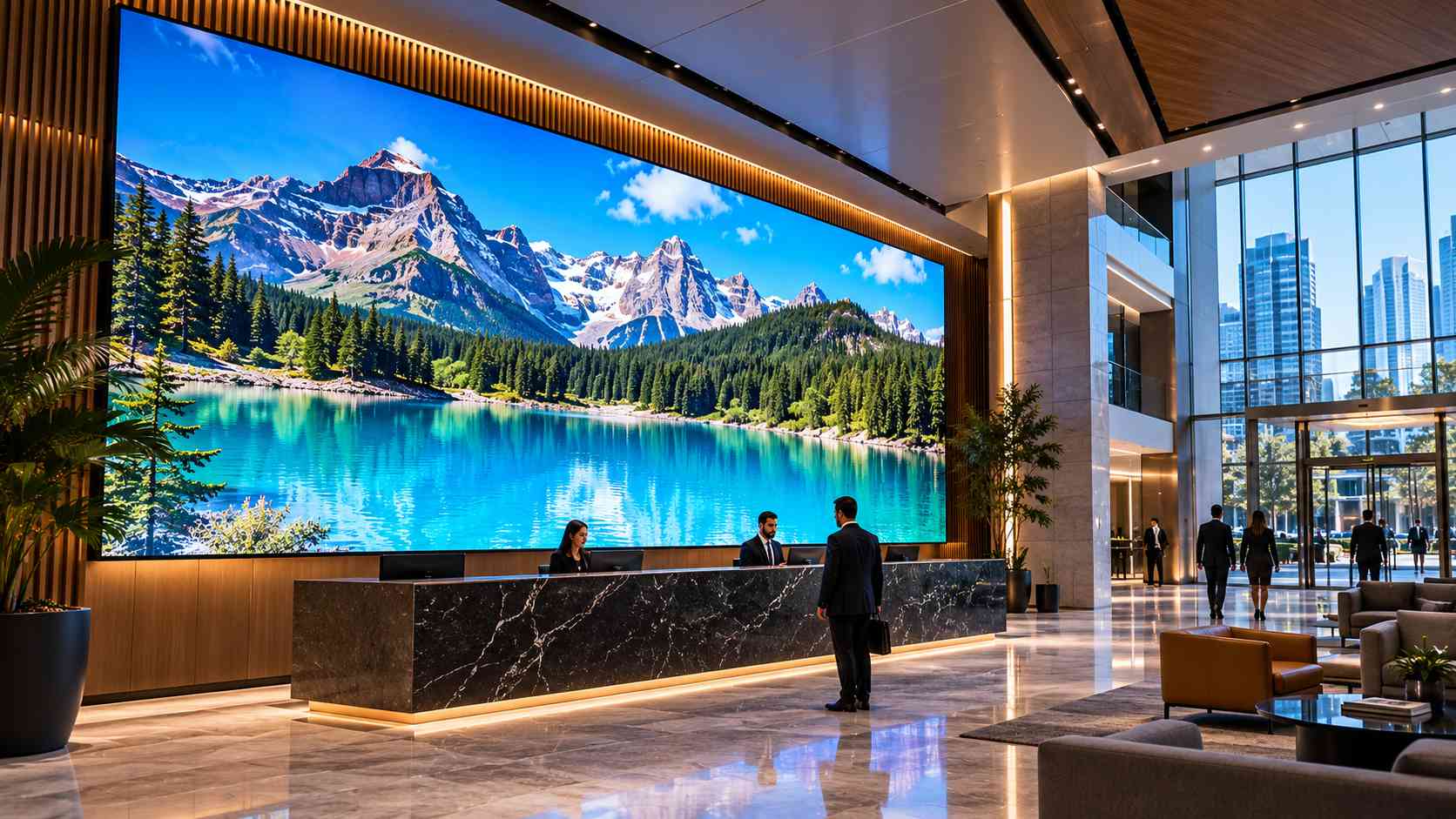
A sunlit lobby and a dim restaurant require different brightness levels. Where supported, ambient-light sensors can adjust output as conditions change. For indoor or outdoor LED displays, brightness, weather protection, and installation conditions deserve separate consideration. An IP rating addresses resistance to dust and water; refresh rate does not.
Cameras Are Where 7680Hz Starts to Become More Interesting
A Camera Does Not See an LED Wall the Same Way Your Eyes Do
A camera records light during a defined exposure, controlled by shutter speed or shutter angle. If that exposure conflicts with the timing of LED video walls, footage may show flicker, dark bands, scan lines, or uneven exposure, even when the image looks normal in person.
At a 1/1,000-second exposure, the nominal refresh rates correspond to approximately 3.8 cycles at 3,840 Hz and 7.7 at 7,680 Hz. More cycles within an exposure can help reduce certain artifacts, but the result still depends on scan timing and camera settings.
When 7680Hz Can Provide More Camera Headroom
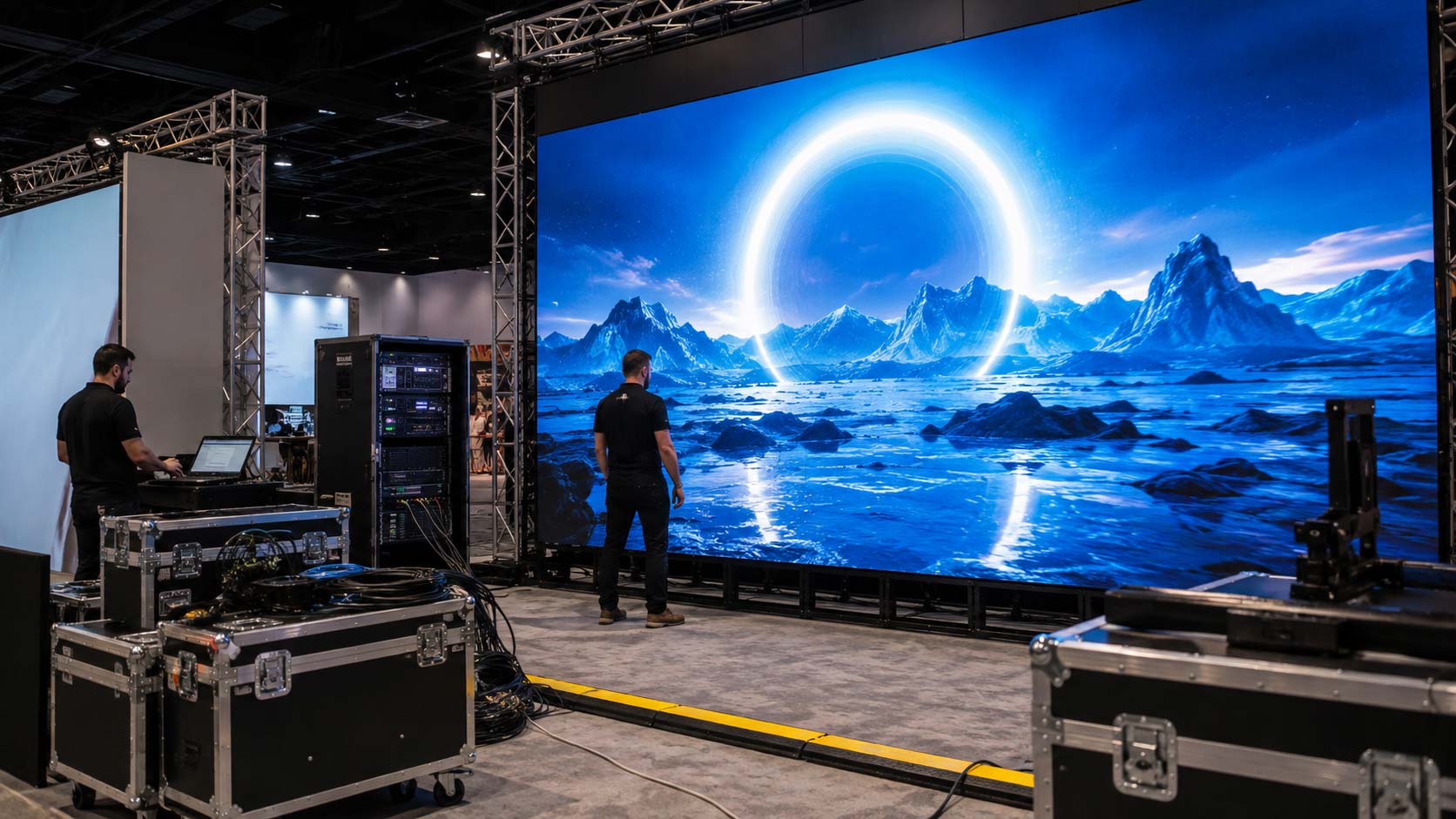
A 7,680 Hz specification can offer more flexibility at fast shutter speeds, especially for broadcast, live production, slow motion, and virtual production. It is worth considering when LED display panels will regularly appear in professional footage. Higher refresh can help, but it is not a guarantee of clean results.
Why 3840Hz Is Still Used in Professional Applications
A well-designed 3,840 Hz system can perform reliably in many professional settings. For LED walls, driver quality and camera compatibility matter alongside the advertised number. The practical question is not simply which refresh rate is higher, but whether the equipment performs well under the production’s actual shooting conditions.
Smartphones Have Changed the Refresh-Rate Conversation
A bar, church, retail store, or event venue may not operate a broadcast studio, but visitors still record Reels, livestreams, and smartphone videos. LED screens can appear in that footage every day. Because phones frequently adjust exposure automatically, an occasional banding issue can become a visible marketing problem. A camera test with common smartphones is a sensible step before purchase.
What to check before you buy
- Ask whether the screen will be filmed, and with what
- Request the driver chip model, not only the Hz figure
- Check the rate at the brightness you will actually use
- Confirm spare modules and support for the full lifecycle
Why Refresh Rate Alone Cannot Guarantee a Camera-Ready LED Wall
Refresh rate is just one part of camera performance. Scan multiplexing determines how LED rows are driven in sequence, and the scan ratio affects how long each row emits light. Combined with PWM timing, this can influence the bands a camera captures. Two sets of LED display panels with different scan architectures may therefore perform differently despite identical advertised refresh rates.
Low-brightness performance matters too. Some LED panels lose smooth grayscale transitions when dimmed, producing banding, color shifts, or crushed shadow detail. This is especially important in studios, where brightness is often reduced to suit the cameras.
Professional LED video walls may also need genlock and phase adjustment. Genlock synchronizes compatible equipment to a shared timing reference; phase adjustment aligns the display’s output with the camera’s exposure. Appropriate shutter settings and compatible processing complete the setup. These controls can help eliminate artifacts that a high refresh rate alone cannot fix.
Choose 3840Hz or 7680Hz Based on What the LED Screen Will Actually Do
Start With the Application, Not the Specification Sheet
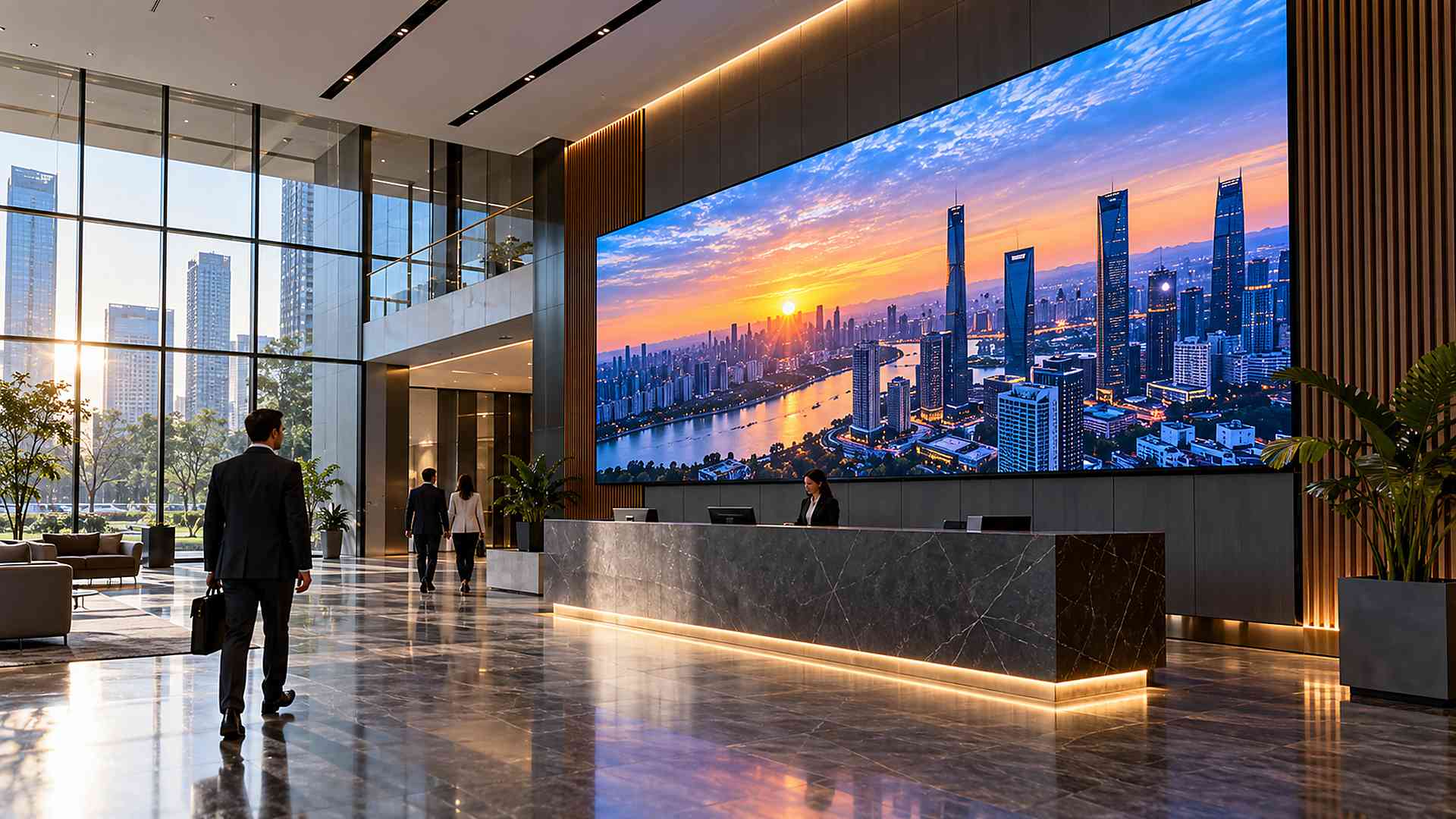
For digital menus, school announcements, and office lobbies, 3,840 Hz is often sufficient when direct viewing is the main priority. For LED screens frequently filmed on phones, 7,680 Hz may provide useful extra flexibility. For broadcast and virtual production, evaluate the entire camera workflow, including processing, synchronization, grayscale, and shutter compatibility.
Whether you are buying or renting LED video walls, request footage from a real camera test rather than relying on a single specification. The best choice is the one that works in your environment, not necessarily the one with the largest number.
Installation and Service Should Be Part of the Same Decision
Installation affects both cost and long-term reliability. Wall-mounted LED screen support systems suit permanent spaces, while ground-supported or flown structures serve events and temporary productions. With LED walls, cabinet weight, structural requirements, and service access should be reviewed early, especially when the equipment will be assembled and dismantled repeatedly.
Front-service modules can simplify repairs where rear access is limited. For rental fleets and projects with multiple LED devices, fast maintenance, spare parts, and responsive support help keep downtime under control.
Live Content and Scheduled Content Have Different Priorities
A synchronous system displays live inputs, such as cameras or presentations, while an asynchronous system plays stored content on a schedule. For live LED displays, processing latency and synchronization may be critical. For scheduled advertising, remote content management and dependable playback often matter more. Some LED solutions must support both workflows.
U.S. stock, real technical support,
and a 5-year warranty.
Buy for the Entire Lifecycle, Not One Number
Refresh rate is only one factor in ownership costs. Warranty coverage, power consumption, serviceability, and consistent image quality shape long-term value. The right LED technology should match the project’s daily demands, not just look impressive on a data sheet.
At LED Market USA, we start with how and where the display will be used, then help customers select the right equipment for their space, content, camera requirements, and budget.
Tell us how the screen will be used.
We recommend the rate you actually need.
Processor settings, explained
How the processor and panel settings shape what the camera records.

10% off by completing the form
Transform your storefront and drive more foot traffic. Get a custom quote for your LED display project today.